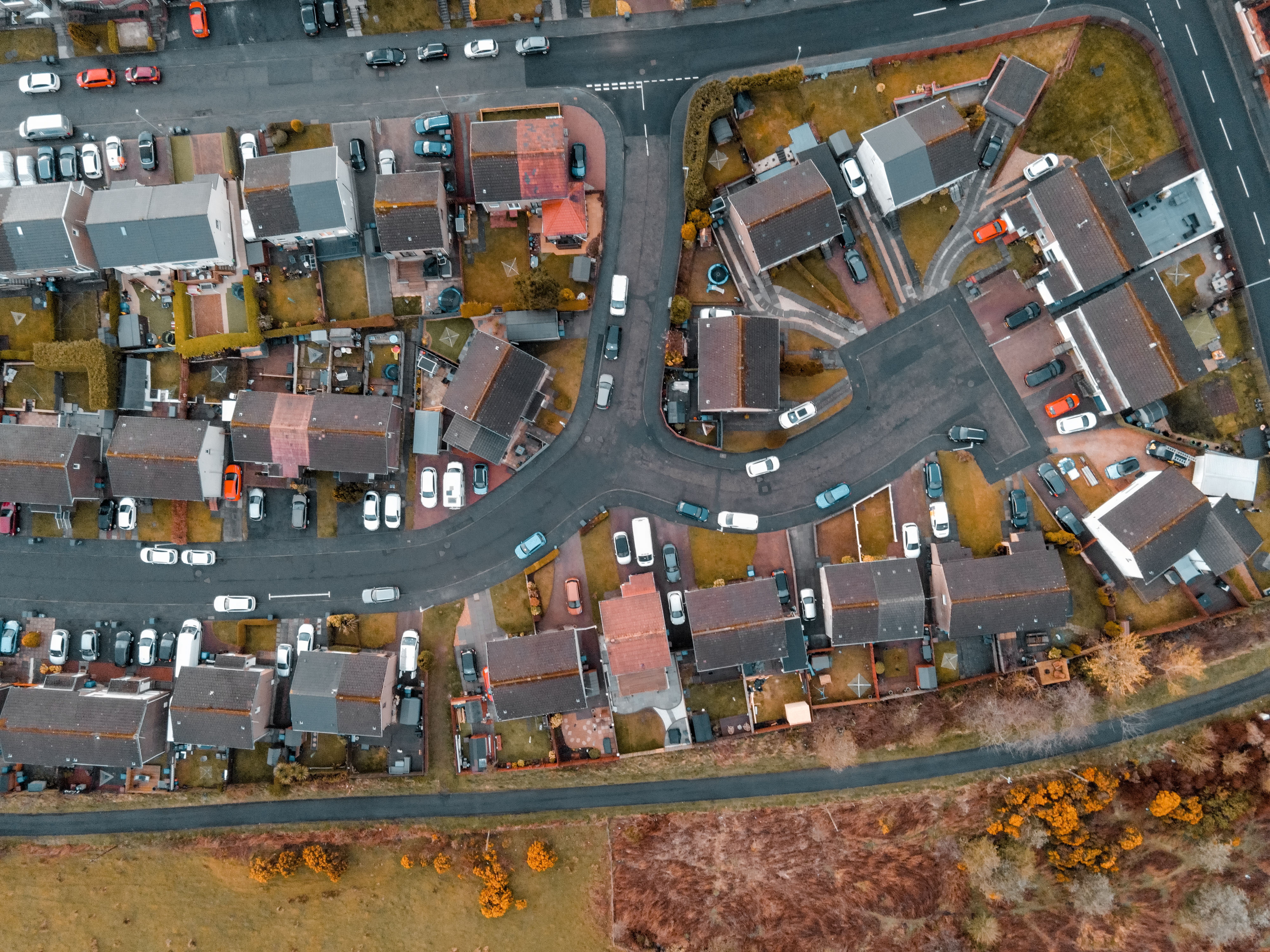
Finding good value in Eastleigh’s property market is about more than chasing the lowest asking price. As the town continues to attract buyers with its convenient location, transport links, and growing communities, it pays to focus on neighbourhoods in the UK with long-term potential rather than just bargain listings. A smart purchase often comes from noticing the everyday details others overlook. Think less treasure maps, more sensible shoes. When you know what to look for, you can find an area that feels affordable today and has room to grow tomorrow.
Why location still wins
When you’re chasing value, location still does most of the heavy lifting. A small flat in a handy area can beat a bigger home in the middle of nowhere. You want the kind of place where daily life feels easy. Shops, schools, green space, buses, and a decent train link matter more than shiny kitchen taps.
If you’re comparing Hampshire spots, local knowledge helps a lot. Talking to estate agents in Eastleigh UK can give you a clearer picture of which streets are gaining interest, where buyers are moving fast, and what features actually push prices up.
Try asking yourself one simple question. Would you enjoy living there on a normal Tuesday? If the answer is yes, that’s a strong sign. Places that make life easier tend to stay in demand. And demand is what keeps value from wandering off like a lost shopping trolley.
Clues prices may rise
You don’t need a crystal ball to spot an area with potential. You just need to notice the small clues. A train station within walking distance is a big one. So is a high street that looks busy rather than half asleep. New cafes, cleaner shopfronts, and upgraded public spaces often hint that more people want to live there.
Watch for signs of investment too. Maybe the council is improving roads, adding cycle routes, or refreshing a park. Maybe there’s a new supermarket coming in. These things sound ordinary, but ordinary is often what boosts property appeal.
Rental demand is another useful clue. If similar homes are letting quickly, the area probably suits commuters, young couples, or small families. That keeps the market active.
You’re not looking for hype. You’re looking for momentum. A place doesn’t need to be trendy enough for oat-milk billboards. It just needs to be practical, improving, and attractive to normal people with normal lives.
Look past surface flaws
A lot of buyers get spooked by ugly wallpaper, old carpets, or a kitchen that looks stuck in 2004. That can work in your favour. Cosmetic mess is usually cheaper to fix than major structural trouble. Peeling paint might look sad, but it won’t always wreck your budget.
The bigger problems are the ones hiding in plain sight. Damp patches, cracks that keep your eyes coming back, roof issues, rotten window frames, and outdated electrics can cost far more than replacing a tired bathroom. A home can look rough but still be a smart buy. It can also look lovely and have problems lurking under the floorboards like tiny gremlins.
Try to separate style from substance. Ask what’s easy to improve over time and what needs urgent money. A fresh coat of paint is a weekend job. Rewiring is not. If the expensive stuff is sound, you may have found a place with genuine upside rather than a money pit wearing nice curtains.
Check the street vibe
Photos don’t tell you how a street feels. That’s why viewings should never be your only visit. Go back at a different time of day if you can. A calm road at noon might turn into a parking puzzle by 6 p.m. A quiet area on Sunday morning may feel very different on a school-run weekday.
Look around carefully. Are front gardens tidy? Do homes seem occupied and cared for? Is there loads of litter, constant traffic, or noise from nearby businesses? You’re not hunting perfection, just signs that people value the area.
Notice practical things too. Can you park without performing a three-point ballet? Are pavements decent? Is there a bus stop nearby? Can you walk to a corner shop without needing hiking gear?
This part matters because buyers and renters notice the same things you do. A home is never just the building. It’s also the five-minute walk around it. If the street feels settled and functional, that often supports stronger value over time.
Compare homes wisely
It’s easy to fall for one home because the light is nice or the owner has excellent taste in cushions. Try not to. Compare properties with a cool head. Look at sold prices for similar homes nearby, not just asking prices. Asking prices are wish lists. Sold prices are the reality check.
Focus on features that hold value. Layout matters a lot. A smaller home with a better flow can feel more useful than a larger one with awkward rooms. Garden size, storage, parking, and natural light all count. So does whether you can improve the place later.
Think ahead to resale. Would future buyers like the same things you do? A weird layout or a tiny second bedroom may limit demand. A practical starter home usually has broader appeal.
You don’t need to remove emotion completely. Homes are personal. Just don’t let one cute fireplace talk you into ignoring three expensive problems. Charming details are lovely, but they shouldn’t be running the meeting.
Plan your exit early
Even if you think you’ll stay for years, it’s smart to buy with an exit plan in mind. Life changes. Jobs move, families grow, and priorities shift. A home that’s easy to resell or rent gives you more options if your plans wobble.
Ask yourself who would want this property later. First-time buyers? Small families? Commuters? If the answer is clear, that’s a good sign. Broad appeal usually makes a property less risky. It also helps if the home is near transport, schools, and everyday shops, because those basics rarely go out of fashion.
Rental potential matters too, even if becoming a landlord is not your dream. A home in a practical area with decent transport links tends to attract more interest if you ever need flexibility.
The goal isn’t to predict everything perfectly. It’s to make a grounded choice. When you focus on value, livability, and future demand, you give yourself a better chance of buying a home that works hard for you.