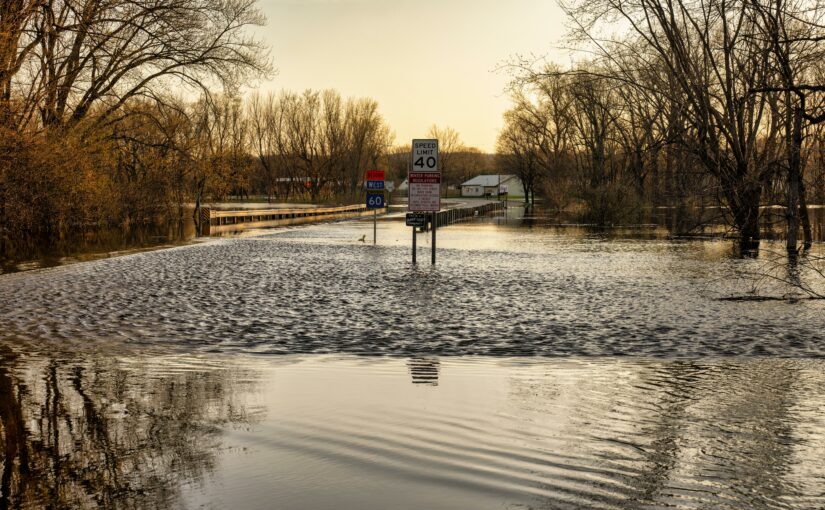
Floodwater doesn’t stop at the surface. It affects what the structure is resting on. At first, it’s not obvious, but the ground around the foundation and the structure often holds onto water longer than expected. This is where problems begin.
Floodwater affects how soil behaves, how moisture moves, and how pressure builds around the foundation. These shifts don’t always appear right away, but they can spread over time. That’s why water damage restoration is so important after a flood—it lets professional contractors step in sooner rather than later and catch these problems before they spread further.
What Happens When Floodwater Reaches Your Foundation
When floodwater reaches the foundation, it doesn’t stay on the surface. It seeps in around the structure, and without intervention, the soil absorbs moisture and becomes heavier. But that also means the soil loses some of its ability to support the weight evenly. This creates uneven pressure around the foundation walls.
In many areas, the soil expands, and in some areas, it shifts or settles differently. The structure reacts to those changes, even if they are not immediately visible. It may develop cracks or small gaps, especially around seams, and water can then enter through small cracks. These openings may not be noticeable, but that means the damage will go undetected for longer.
How Floodwater Weakens Structural Integrity
Floodwater changes both the soil and the structure. When soil becomes saturated, it can’t support the foundation as intended. It may expand in one area and loosen in another, and that uneven support creates movement that the foundation eventually reacts to.
Meanwhile, water enters through cracks, and that leads to water damage that can affect the foundation materials, such as concrete, which may absorb moisture. Over time, repeated exposure can weaken the foundation’s surface or create new stress points. This doesn’t always show up as major damage, but it continues shifting.
In areas with frequent moisture changes, this becomes more noticeable. In high-humidity regions like Charleston, South Carolina, repeated cycles of wet and dry conditions continue affecting how the foundation settles over time. That means worse damage, even if you can’t see it.
Common Signs of Flood Damage to Foundations
Flood damage does not always show up in one clear way. As a homeowner, you need to learn what to watch for. Many common signs develop subtly, but when you learn to notice them, you can intervene sooner and protect your home.
New Cracks After Flooding
Any cracks seen after flooding are often connected to shifting soil. They may show along walls, floors, or near openings. In the beginning, they can be small, thin, and easy to ignore, but if they widen or appear in more than one area, it means the structure is still adjusting.
Shifting or Settling Structure
Floodwater can change how the ground supports the home, but that often leads to slight settling in some areas. You may notice parts of the home feel uneven or that certain areas seem lower than before. These changes are often gradual, which makes them harder to notice at first.
Persistent Dampness
Moisture does not leave once the water recedes. Walls, floors, and lower areas of the home may stay damp longer than expected. This is often a sign that water has entered through small openings or been absorbed into materials. This dampness often returns after rain or any major changes in local humidity levels.
Mold Growth
Mold develops in areas where moisture can stay trapped, particularly in basements and crawl spaces. It may develop as a small dark patch, often in cramped areas, but it then spreads. This becomes a serious risk if there is no improvement in humid conditions in the basement.
Uneven Flooring
If the foundation shifts, even slightly, the floor above it may begin to slope or feel uneven. This may not be visible right away, but can often be felt when walking across the space. Small differences in level can indicate damage in foundation.
The Long-Term Risks of Ignoring Flood Damage
When left unchecked, minor flood damage can quickly worsen. That means more risk for you, your family, and your home. That can lead to you experiencing:
- Cracks continuing to expand: As the soil around the foundation shifts with moisture changes, those cracks can widen and spread to nearby areas.
- Ongoing moisture intrusion: Water that enters your home can return along the same path, which means it continues to affect the surrounding materials.
- Weakened support from the soil: Saturated soil does not hold the structure evenly, but this leads to uneven pressure on the foundation, affecting the stability.
- Increased structural movement: Small shifts do not stop on their own, especially if the underlying cause is still present.
- Interior damage over time: Walls, flooring, and lower sections of the home may begin to show wear, often too gradually to notice at first.
You need to watch for all of these signs. If they go unnoticed, the damage continues progressing, and that leads to more complex repairs later.
Role of Water Damage Restoration
Water damage restoration focuses on what remains after the flood. The process often involved:
- Removing excess moisture
- Drying affected areas
- Addressing visible damage
- Cleaning every surface
- Installing moisture-prevention solutions
These steps reduce moisture in your home and make the space usable again. However, they can’t always protect against significant foundation damage. If the foundation has shifted or created structural openings, you need both water damage restoration and foundation repair.
How Foundation Repair Contractors Address the Damage
Once the source of the problem is identified, the focus shifts to stabilizing the structure. Foundation repair contractors assess how the foundation has moved and what caused that movement in the first place. They can’t just focus on visible damage, because patching small spots just hides more serious problems.
In some cases, foundation repair involves stabilizing areas where the soil has shifted. There may also be sections that need reinforcing. The approach depends on how the structure has been affected. In areas where flooding is more common or where soil conditions change frequently, experience with local conditions matters.
If you’re in South Carolina, it helps to reach out to experienced Charleston foundation repair contractors. They’re familiar with local environmental and climate-based challenges and know how moisture and soil interact in your area. That means they can identify the root cause of damage more easily, and help you stop the movement rather than just repair what’s visible.
Preventing Future Flood Damage
Flood damage cannot be avoided, but its impact on your home can be reduced. Wherever possible, you’ll want to consider:
- Directing water away from the foundation
- Maintaining proper drainage around the property
- Checking for areas where water tends to collect
After heavy rain or flooding in your area, inspect your property. Are there damp spots on your foundation, or any area where water pools near your home? If so, these are signs that your property could be at risk of future damage, and small changes could make all the difference.
Final Thoughts
Floodwater doesn’t always leave a clear trace behind. Once the surface dries, most of the obvious signs are gone. The structure, though, may not be in the same state as before. Some changes take time to show obvious signs, and when they appear, it’s a sign that you need professional support. Don’t ignore the signs of flood damage to your home; a regular inspection could be all it takes to keep your property safe.