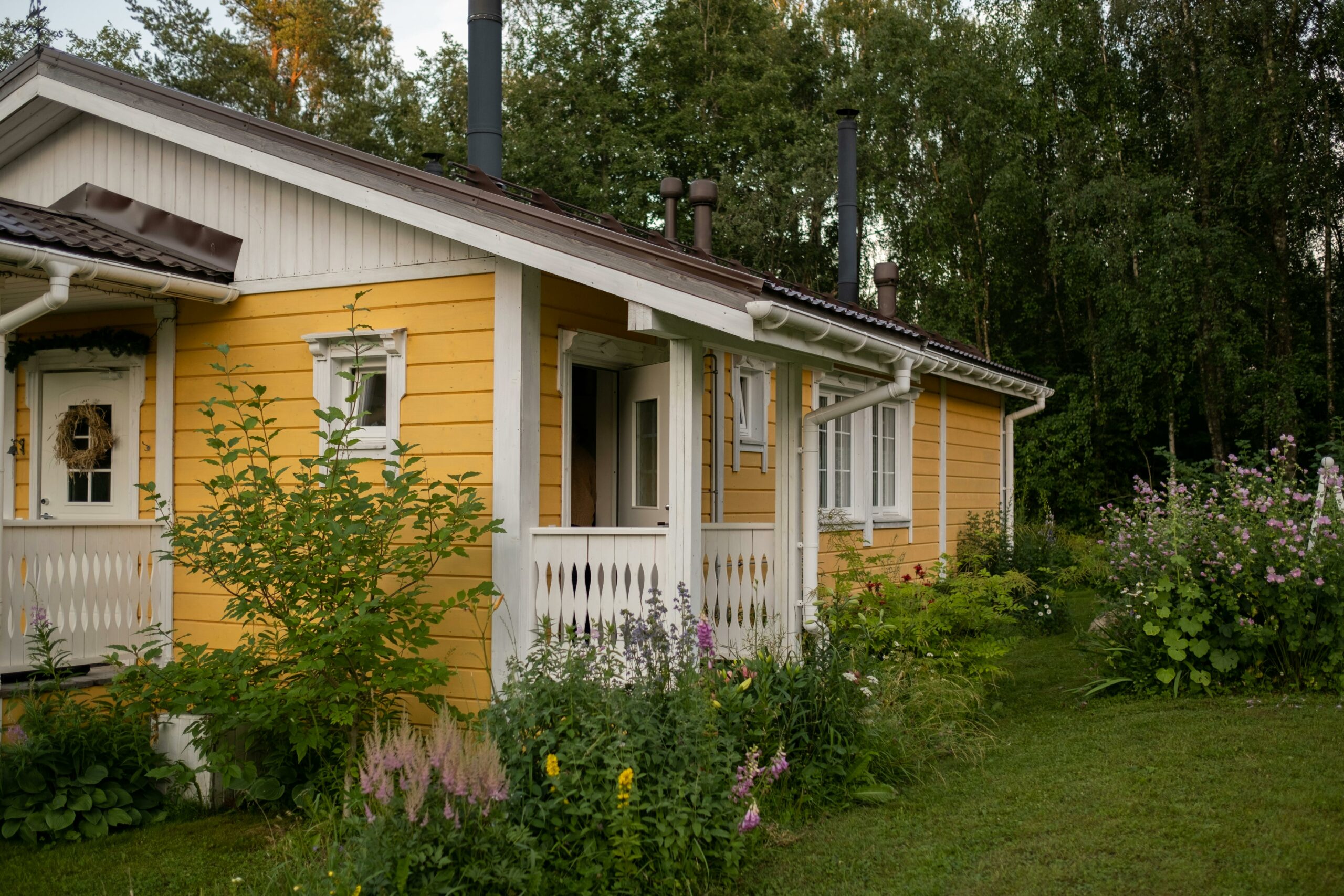
Living in Canada makes you aware of and accept the climate swings that the country brings with it. From the humid summers to the icy winters, both have an impact on the exterior of your house, and in some cases, it takes a beating all year round. The strong winds, heavy snow, and the continuous freeze-thaw cycle can stress out the robust and long-lasting materials.
The fascia and soffits are two of the vulnerable components that homeowners often overlook. They are the unrecognized heroes that secure the edges of the roof, retain correct ventilation, and help to steer clear of pests. When you learn about the factors that cause damage to these two components, you can resolve them. At the same time, it can help homeowners from spending an excessive amount on repairing structural issues.
- Water damage from clogged gutters and ice dams
In several parts of Canada, such as Dartmouth, Nova Scotia, the ice dams that are created from melting snow refreeze at the roof stage. This can force the water to enter inside the shingles and beneath the fascia boards, resulting in paint peeling and wood rot. Therefore, the clogged gutters that get filled with debris and leaves can lead to water overflow and can soak the fascia and soffit rather than getting drained correctly.
The best way to fix it is by getting in touch with a soffit and fascia repair Dartmouth Nova Scotia service provider and cleaning the gutters twice annually. This will ensure correct attic insulation and prevent heat loss, which will add to the ice dam as well. In case your fascia boards have rotted, you can replace them using aluminum or PVC fascia for improved resistance against moisture.
- Trapped ventilation and poor ventilation
Soffit has an important role to play in ventilating the attic. In places like Manitoba and Quebec, where the summers tend to be humid or hot, incorrect airflow can result in the development of condensation, which deteriorates wood and also encourages mold growth. Over a point of time, the moisture that is trapped inside weakens the soffit and makes it crack or warp.
The way to resolve it is by inspecting the soffit vents regularly to make sure that they aren’t blocked by debris or insulation. You need to consider installing end-to-end vented soffits to promote constant airflow and minimize moisture buildup within the attic.
- Pest infestation
Birds, squirrels, and wasps are all known for taking over small gaps or damaged soffit panels as nesting materials. In more rural and suburban parts of Canada, woodpeckers and raccoons can also create considerable damage while searching for shelter or food. Immediately seal off any openings and repair loose panels.
Consider using metal-mesh vent covers that promote airflow while preventing nesting. Should a nest form, contact a pest control professional before making kitchen repairs to your home to prevent the return of pests. To know more about this, you can check out artisanroofing.ca/ and make better upkeep decisions.
Finally, over time, even the best installed soffit and fascia noted above will deteriorate. Wood fascia boards will begin to decay while painted aluminum will corrode, particularly when exposed to road salt or sea air, which is an issue in coastal provinces like Nova Scotia or Newfoundland. For this reason, you should check your soffit and fascia boards during seasonal maintenance inspections. When replacing soffits or fascia boards, consider using low-maintenance products like vinyl or composite, which are less likely to rot, rust, or peel.
Summing it up
The fascia and soffit have more to offer than just a decorative element. These two components are essential protectors of the roof’s health. Daily inspection, routine cleaning, and making use of durable materials can add more years to their lifespan. You could be dealing with intense winds or ice dams. When you maintain the soffit and fascia in the right way, your home remains weatherproof and robust.