In today’s digital-first real estate market, the quality of your property photos can determine whether a potential buyer clicks on your listing—or scrolls right past it. With more than 90% of buyers starting their search online, visuals become the first filter in their decision-making process. Listings with professional, eye-catching photography receive significantly more views, engagement, and inquiries compared to those with poor images.
What many sellers underestimate is the emotional response that visuals trigger. A warm, well-lit living room or a tidy, sunlit kitchen creates an inviting atmosphere that helps a buyer imagine themselves living there. On the other hand, photos with poor lighting, clutter, or an awkward composition can generate feelings of discomfort or mistrust—even if the property itself has great potential.
Mistake #1: Poor Lighting
Lighting is the backbone of effective real estate photography. Yet it’s one of the most commonly overlooked elements. Dimly lit rooms can make a property feel unwelcoming, cramped, or even neglected. However, harsh sunlight, or visible shadows can distort reality and obscure architectural details.
The solution? Natural light is your best ally. Schedule photo sessions during the daytime, preferably in the morning or late afternoon when the sun is softer. Turn on all the lights to reduce dark corners and ensure a consistent brightness across rooms. Avoid relying solely on smartphone flash, which often flattens textures and distorts colors.
Mistake #2: Low-Quality Equipment or Smartphone Photos
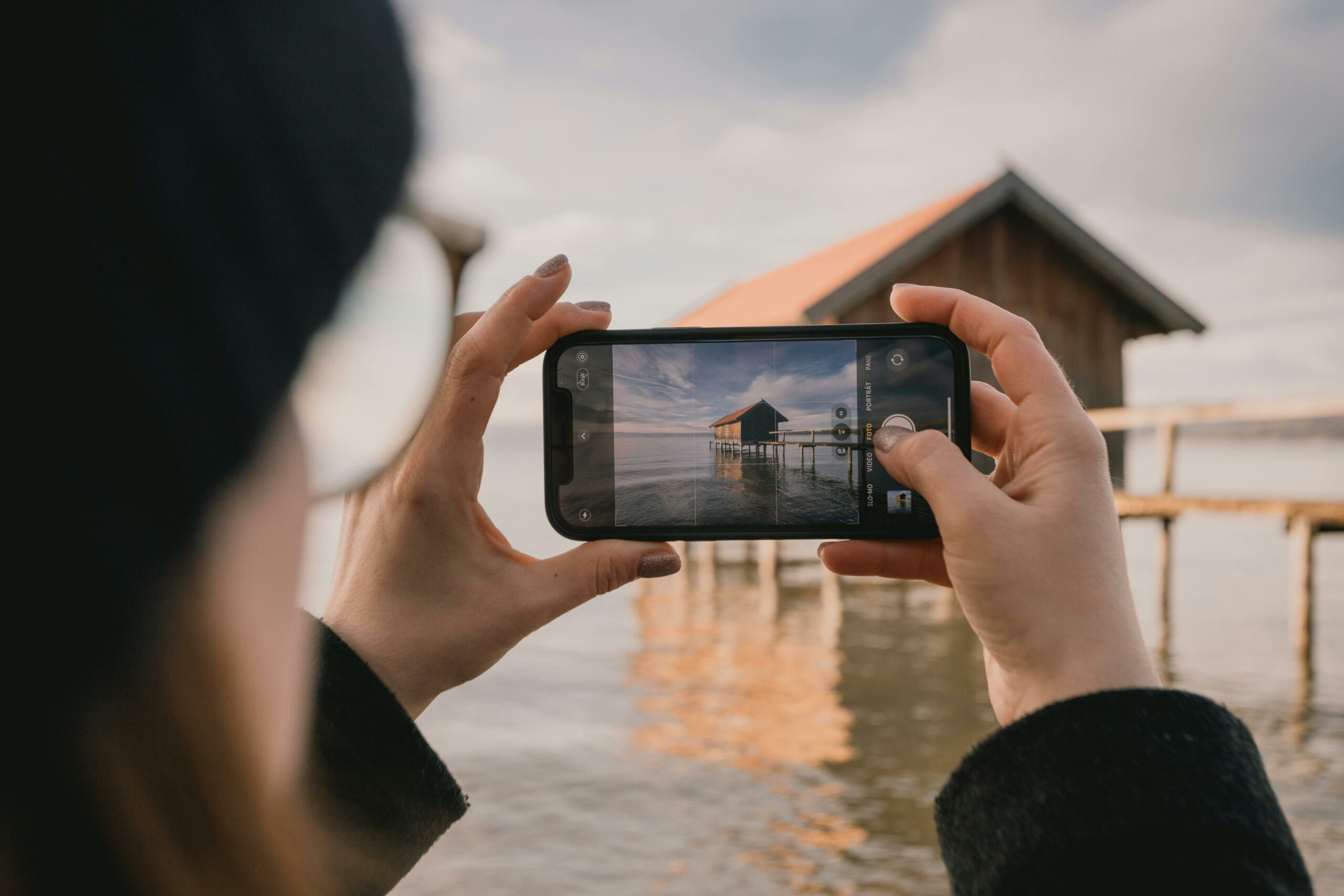
While smartphones have advanced significantly in recent years, they still can’t match the precision and depth offered by professional DSLR or mirrorless cameras. Listings filled with grainy, blurry, or oddly cropped photos often signal a lack of care and professionalism—especially when buyers compare your property with others shot professionally.
Using high-resolution images with the correct aspect ratio allows viewers to zoom in and appreciate details like flooring, fixtures, or finishes. Professional photographers also know how to use wide-angle lenses effectively—expanding a room’s appearance without distorting its proportions. This subtle difference can mean everything when trying to showcase space and flow in small apartments or unique layouts.
Mistake #3: Cluttered or Dirty Interiors
Even the most spacious and well-renovated home can lose its appeal if it’s presented in a cluttered or untidy state. Buyers don’t just look at a space—they visualize living in it. Piles of clothes, personal belongings, unmade beds, or dirty dishes break that illusion instantly. A messy environment distracts from the actual features of the home and makes rooms feel smaller and less functional.
Before taking any photos, prepare the property as if for an important guest: clean thoroughly, remove personal items, and stage rooms with minimal but tasteful decor. Think hotel standards. Neutrality allows buyers to mentally “move in” and picture their own style in the space. A few well-placed plants or accessories can bring life to a room without overwhelming it.
Mistake #4: Crooked or Unbalanced Shots
Photos taken at odd angles or with skewed horizons may seem minor, but they can have a surprising psychological effect. A crooked photo unconsciously signals imbalance or carelessness, creating unease for the viewer. It also misrepresents the space, often making rooms look distorted or confusing in layout.
Always keep the camera level, especially when photographing walls, windows, and floors. Tripods are an essential tool for maintaining consistency and avoiding shaky hands or tilted shots. If you’re unsure, use the built-in gridlines on your camera or editing software to straighten the image. A clean, aligned photo looks more polished and professional, instantly elevating the listing’s quality.
Mistake #5: Ignoring Key Selling Points
Surprisingly often, listings fail to showcase the home’s best features—be it a fireplace, large balcony, custom kitchen, or scenic view. Buyers want to see the details that make the property stand out, and skipping them in the photos can result in missed opportunities or reduced perceived value.
Before scheduling the shoot, create a shot list based on the property’s strongest assets. Walk through the home with a buyer’s mindset: what would excite you? Highlight these features clearly and without distraction. Bonus tip: include “lifestyle shots” that suggest how the space is used—like a breakfast nook set for coffee or a patio ready for relaxation.
Mistake #6: Overediting or Using Fake Filters
While editing can enhance images, overediting can backfire. Oversaturated colors, artificial lighting effects, or heavy filters might catch attention—but not for the right reasons. Potential buyers may feel misled if the property looks dramatically different in person. This leads to disappointment during viewings and, in some cases, withdrawal from the deal altogether.
Aim for realistic, clean edits that improve clarity and lighting without altering the character of the space. Adjust brightness, contrast, and color balance if necessary—but avoid turning a beige wall electric blue or replacing skies with surreal sunsets. Authenticity builds trust. Buyers want to feel confident that what they see online is what they’ll see at the showing.
See also: https://skup.io/
Mistake #7: Too Few or Too Many Photos
Uploading only a handful of photos—especially of low quality—raises red flags. It may suggest the seller is hiding something or that the home lacks features worth showcasing. On the flip side, listings flooded with 50+ images from repetitive angles can overwhelm viewers and dilute impact.
The sweet spot? Aim for 15–25 well-composed, high-quality images that cover the essentials: exterior (front and back), all main rooms, bathrooms, kitchen, hallway, and any standout features like terraces or storage. Sequence the images in a logical flow to tell a visual story of the property. This helps potential buyers “walk through” the home online, creating a smoother and more compelling experience.
Conclusion: Quality Photography Sells Homes Faster
In real estate, photography isn’t just about aesthetics—it’s a key sales tool. Avoiding common mistakes like poor lighting, messy interiors, or overediting can significantly boost interest and trust in your listing. Buyers today are discerning and often make decisions within seconds of seeing the first photo. Make those seconds count.
If you’re preparing to list a property, consider investing in professional photography or taking the time to stage and shoot your space with care. A great first impression can translate into faster sales, higher offers, and a smoother transaction overall.