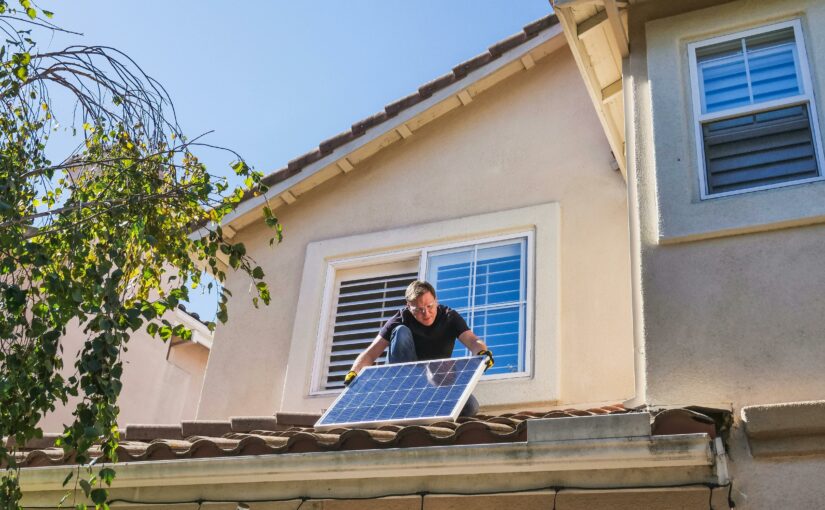
You’re thinking about harnessing your roof’s unused space, but the process of fitting solar panels can look like a maze of brackets, wiring, and permits. Relax—you don’t need to be an engineer to follow each stage.
This step-by-step overview walks you through the practicalities, from assessing roof angles to flipping the breaker on installation day. For deeper detail at each milestone, check our concise solar panel installation guide right here.
Planning Your Solar Layout
Start by imagining sunshine as water flowing across your roof; the goal is catching the deepest stream. Mapping that flow correctly guarantees years of effortless, free electricity.
Sketch the Array Footprint
Print an aerial image from satellite software, trace obstacles, and mark rafters. A scaled drawing eliminates surprises once ladders, rails, and panels arrive onsite.
Orient for Production
In North America, a south-facing tilt between fifteen and forty degrees yields peak output. East-west roofs still deliver value when array size offsets orientation losses.
Account for Shade
Note chimneys, trees, and neighboring structures each hour with a smartphone sun-tracking app. Removing a single branch can add hundreds of kilowatt-hours annually.
Leave Service Aisles
Create twelve-inch gaps so future technicians can reach mid-array junction boxes and roof penetrations. Accessibility today prevents expensive panel removal tomorrow.
Plan Conduit Runs
Plot the shortest, prettiest path to the service panel. Fewer bends, painted to match exterior walls, keeps both voltage drop and homeowners’ associations happy.
Roof Assessment Checklist
A thorough inspection ensures your roof lasts longer than the solar hardware. Follow this organized checklist before ordering the first rail or microinverter.
- Verify Structural Soundness: Confirm sheathing thickness and truss spacing meet local code for additional dead load plus wind uplift factors.
- Document Roof Age: Asphalt older than fifteen years may need replacement to avoid panel removal for reroofing later.
- Inspect Flashing Zones: Identify soft spots, previous patches, and water stains that hint at hidden rot beneath shingles.
- Measure Rafter Pattern: Use a stud-finder inside the attic to mark true centers; accuracy prevents missed pilot holes topside.
- Review Fire Setbacks: Local ordinances often require three-foot pathways at ridges and hips for firefighter access.
Photograph every finding, upload to cloud storage, and share with your installer or engineer; transparent records speed permitting and protect future warranty claims.
Calculate Energy Demand
Knowing how many kilowatt-hours you actually consume prevents overspending on extra panels. Precision here equals shorter payback and higher lifetime return.
Pull Utility Data
Download twelve months of billing history and list seasonal spikes like air-conditioning or holiday lighting; annual totals guide system sizing assumptions.
Model Production Online
Enter your address into the NREL PVWatts Calculator. Adjust tilt, azimuth, and losses so predicted output mirrors your roof reality.
Right-Size the Array
Divide yearly consumption by PVWatts’ kilowatt-hours per kilowatt figure to estimate direct-current array size. Aim for ninety-five percent offset to dodge net-metering caps.
Plan for Future Loads
Add capacity if electric vehicles, induction ranges, or heat pumps loom on the horizon. Designing once is cheaper than expanding later.
Secure Permits Required
Navigating paperwork may feel tedious, yet approvals shield you from fines, forced removals, and denied utility interconnection. Treat permitting as a parallel construction phase.
Research Jurisdiction Rules
City, county, and utility requirements differ. Start at the building department website, then call a clerk to confirm current fee schedules and inspection backlogs.
Prepare Plan Set
Provide stamped structural calculations, electrical one-line diagrams, and datasheets. Many authorities now accept digital submissions, reducing trips downtown.
Apply for Interconnection
Utilities often process paperwork separately. Submit inverter specifications early so the grid-impact study proceeds while roof work begins.
Understand Inspections
Most regions demand rough-in and final walk-throughs. Scheduling inspectors promptly avoid panels sitting idle while sun blazes overhead. Federal resources at energy.gov outline nationwide best practices you can cite if local guidelines lack clarity.
Tools And Safety Gear
Solar installation blends carpentry, electrical work, and rock-climbing. Equipping yourself properly protects bodies, shingles, and expensive silicon wafers.
- Full-Body Harness: Rated for rooftop fall arrest, paired with reusable anchors screwed into rafters under flashing.
- Torque-Controlled Impact Driver: Prevents overtightening lag bolts and preserves manufacturer warranties.
- Module Carrying Handles: Specialized grips from industry vendors ease panel transport and reduce cracked glass.
- Digital Multimeter: Confirms open-circuit voltage before connecting strings to the inverter.
- Non-Conductive Gloves: Insulate hands while handling energized wires on bright days.
Lay tools on foam pads, never directly on shingles; errant metal edges can tear granules and create future leak paths.
Conduct Pre-Install Survey
A professional site survey transforms back-of-napkin dreams into engineered reality, ensuring performance estimates survive contact with real rooftops.
Laser Measurements
Technicians capture precise eave lengths, ridge heights, and obstruction distances. Accurate data prevents change orders when components arrive cut to spec.
Electrical Service Review
Main breaker capacity, busbar rating, and meter placement dictate whether upgrades or supply-side taps are necessary for code compliance.
Shading Analysis
Tools like Solmetric SunEye quantify hourly shade losses; results guide optimizer or microinverter decisions where uniform irradiance is impossible.
Critter Guard Planning
Including mesh barriers in the design blocks squirrels from chewing conductors, protecting both energy yield and homeowner sanity.
Mount Roof Attachments
Attachments anchor the array into rafters, transferring wind and snow loads safely. Precision here eliminates future leaks and structural woes.
- Locate Rafters Precisely: Pilot-drill through shingles where attic marks indicate centerlines, confirming solid wood before enlarging holes.
- Apply Sealant Generously: Fill every pilot with high-grade roof sealant prior to lag insertion for belt-and-suspenders waterproofing.
- Slide Flashing Under Shingles: Minimum three-inch overlap directs water away from penetrations, preserving manufacturer roofing warranties.
- Tighten Lags to Spec: Use torque wrench settings recommended by mounting manufacturer, preventing crushed rafters or loose connections.
- Stage Standoff Heights: Maintain uniform elevation so rails sit perfectly level, avoiding panel stress and water ponding.
Complete one attachment row, check with a laser level, then replicate across the array; micro-adjust early to avoid cumulative errors.
Install Mounting Rails
Rails act as the backbone, aligning modules into a seamless, storm-ready plane. Taking extra minutes now means decades of rattle-free service.
Snap Chalk Lines
Reference manufacturer spacing from ridge and eave, then pop vibrant chalk for visual guidance while fastening rails above multiple attachments.
Square and Level
Shim standoffs where rafters dip, aiming for rail variance under three millimeters. A straight foundation simplifies module placement dramatically.
Bond and Ground
Install rail splice bars with integrated grounding-pins or dedicated jumpers; continuous equipment grounding is non-negotiable under electrical code.
Double-Check Span Charts
High-snow or high-wind zones often require shorter spans between attachments. Adhering to tables prevents mid-winter sag or flutter.
Position Solar Panels
With rails gleaming and grounded, it’s finally panel time—the moment neighbors notice your roof becoming a personal power plant.
Dry-Fit First Row
Set initial modules without hardware, verifying overhang from rail ends equals manufacturer guidance for aesthetics and load distribution.
Secure with Mid-Clamps
Tighten clamp bolts uniformly, watching integrated ground teeth bite anodized frames; inconsistent torque can cause micro-arcing over years.
Establish Consistent Gaps
Use spacer blocks to keep one-inch airflow channels between rows, reducing heat buildup and improving module efficiency on hot afternoons.
Complete the Array
Work upward in columns, passing panels hand-over-hand to avoid sliding glass. A rhythmic assembly line minimizes rooftop traffic and time aloft.
Wire Panels And Inverter
Electrical connections transform sunlight into usable power—treat each step with respect, caution, and the diligence it deserves.
- Document String Plan: Label rails with string numbers so polarity and sequencing remain clear even after lunch breaks.
- Use MC4 Disconnect Tools: Never yank connectors by hand; specialized wrenches protect locking tabs from breakage.
- Route Cables Neatly: Clip conductors under rails using UV-rated ties, preventing abrasion against shingles or sharp metal edges.
- Test Voc and Isc: Measure open-circuit voltage and short-circuit current to verify every module contributes expected output.
- Land Wires in Inverter: Follow torque charts, attach equipment-grounding electrode conductor, and program settings before re-energizing branch circuit breakers.
Monitor production through the inverter’s app; baseline data today helps diagnose anomalies months or years in the future.
Power Up
You now have a clear path from planning to performance checks. Follow each stage methodically, document every reading, and revisit bolts and cables after severe weather. If you later expand the system to charge an electric vehicle, consult this concise installation guide for compatible wiring and safety.