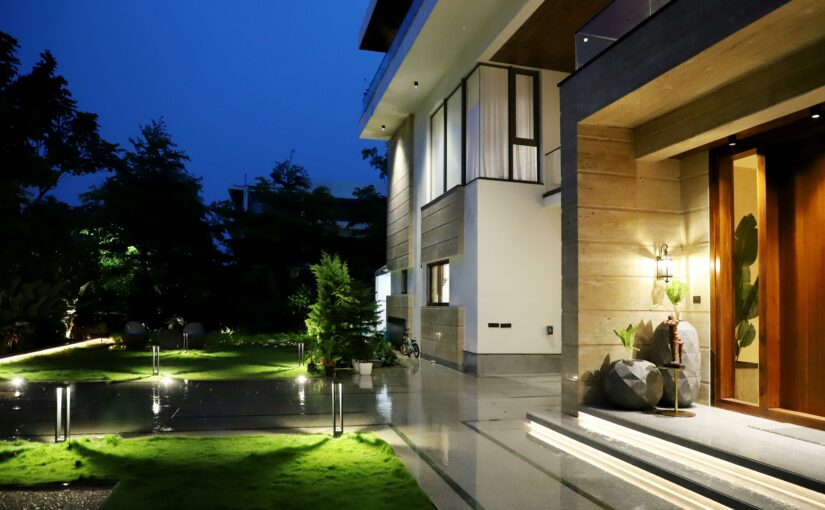
A home’s exterior is more than a backdrop for the front door. It shapes buyer perception, influences offer prices, and establishes the tone before anyone steps inside. In today’s competitive market, boosting real estate curb appeal can translate into tens of thousands in added value.
This article covers how to improve curb appeal when selling a house and includes outdoor upgrades, home exterior upgrades, and backyard improvements that add value.
In this article, you will learn how to:
• Boost curb appeal home strategies with targeted landscaping, façade updates, and welcoming entryway décor
• Invest in high-ROI home exterior upgrades, such as patios, decks, and privacy fences
• Extend your living space with backyard features like outdoor kitchens, fire pits, and connected technology
• Add eco-friendly outdoor upgrades, including native plantings, rain gardens, and permeable surfaces
• Layer outdoor lighting for security and ambiance
• Maintain your exterior with a seasonal roadmap to protect value over time
Each section offers practical tips you can apply now or when you prepare your home for sale. Let us begin by exploring first impressions and how curb appeal shapes buyer decisions.
Curb Appeal: The Power of First Impressions
Buyer psychology behind first impressions
First impressions often begin online with the listing photo. A clean exterior shot creates an emotional connection and builds trust. Buyers quickly assess maintenance and imagine future life on the property.
That initial response can influence how much they will pay. Many buyers ask, Does curb appeal increase home value? Data shows that homes with strong curb appeal for selling a house can command higher offers and spend fewer days on the market.
Key elements for high curb appeal
These are the key elements for high real estate curb appeal and a guide on how to improve curb appeal when selling a house.
Landscaping
• Place colorful container plants near the front door.
• Refresh garden beds with fresh mulch.
• Choose a few healthy shrubs or small trees.
• Opt for native, drought-resistant varieties to reduce upkeep.
Façade
A fresh coat of paint on trim, shutters, or siding signals care. Stick to three colors or materials for a balanced palette. Bold door hues like navy blue or forest green help a home stand out. Power wash paths and driveways to remove dirt and stains.
Entryway décor
Treat the front door as a visual handshake. Update hardware and house numbers for a polished look. Install solar or LED path lights to guide visitors safely. Finish with a simple welcome mat or seasonal wreath to add warmth.
High-ROI Exterior Upgrades
Upgrading your property’s exterior with targeted home exterior upgrades can deliver strong returns at sale. Focus on outdoor upgrades and backyard improvements that add value and enhance everyday living.
Landscape and hardscape enhancements
Well-planned plantings and hardscape shape the overall look. Consider:
• Native shrubs and perennials for low maintenance.
• Fresh mulch beds and seasonal color.
• Stone walkways or retaining walls for structure.
• Simple water features to add interest.
• Backyard features such as pergolas or built-in seating walls to increase usability.
These elements improve curb appeal and backyard appeal.
Patios, decks, and outdoor kitchens
Backyard improvements that add value often include patios, decks, and outdoor kitchens. Outdoor living space is a buyer priority. Patios appear in 64 percent of new homes and rank alongside laundry rooms as favorite features. Adding a wooden deck at $3,600 to $7,200 typically returns 45 to 55 percent of the cost at resale. Integrate durable decking materials and lighting. For extra impact, consider an outdoor kitchen with a built-in grill, counter space, and storage.
Fire pits or built-in fireplaces create a cozy gathering spot that extends use into cooler evenings.
Privacy fences and strategic boundaries
Fencing defines property lines and adds security. A well-built fence offers privacy for families and pets while framing garden areas. Choose vinyl or wood styles that complement siding and trim. Strategic placement around patios and pool spaces creates intimate zones that buyers value.
Extending Living Spaces Outdoors
Expanding living spaces outdoors with backyard features creates an inviting extension of your home. Well-designed patios and decks serve as flexible areas for dining, relaxing, and entertaining. By focusing on layout, materials, and technology, you can turn any yard into a true living zone that appeals to buyers and guests.
Designing patios and deck layouts
Start by zoning areas for different activities. Define a dining space near the kitchen door and a lounge zone with seating and side tables.
Flow and zoning
Create clear circulation paths and room for movement.
Surface materials
Select low-maintenance options such as composite decking or stamped concrete for durability and style.
Selecting durable outdoor furniture
Pick furniture built to handle sun and moisture.
Material choices
Teak is naturally water-resistant. Aluminum frames resist rust. Synthetic wicker weaves hold up to UV rays.
Tips for maintenance
Clean regularly with mild detergent and cover items during winter. Invest in fade-resistant cushions for lasting comfort.
Integrating smart outdoor technology
Smart elements boost convenience and appeal.
Lighting solutions
Install weatherproof LED fixtures controlled by mobile apps or timers.
Comfort controls
Add smart fans or infrared heaters to extend use into cooler months.
Audio and security
Use Wi-Fi speakers and motion sensors that connect to home systems for seamless entertainment.
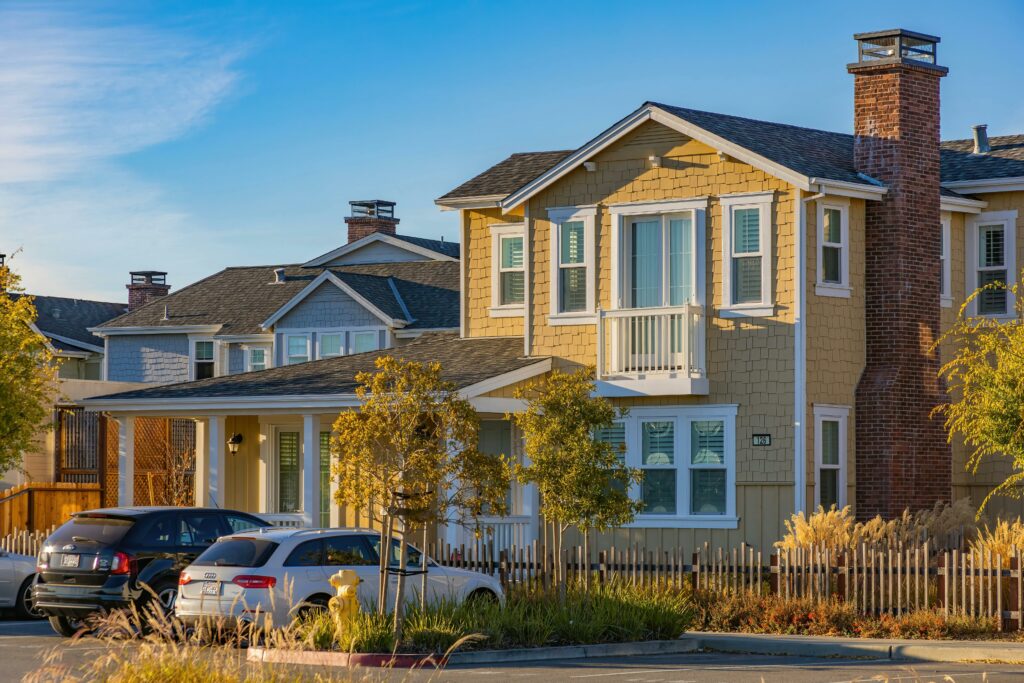
Eco-Friendly and Sustainable Design
Eco-friendly and sustainable outdoor upgrades can boost curb appeal and long-term value through water-wise landscaping and stormwater management.
Native and drought-tolerant plants
Xeriscaping uses local species adapted to your climate. Plants like agave, yucca, penstemon, and coneflower cut irrigation needs and maintenance costs. Grouping by water needs, a practice called hydrozoning, and applying 2-4 inches of organic mulch around roots improves moisture retention and suppresses weeds.
Rain gardens and permeable materials
Rain gardens are shallow, bowl-shaped beds that capture runoff from roofs and driveways. A typical design includes three zones: water-loving species at the base, adaptable plants in the middle, and drought-tolerant varieties at the edge. Position gardens at least 10 feet from foundations to protect structures.
Permeable surfaces such as porous pavers and resin-bound aggregates let water infiltrate a gravel base. They can handle thousands of gallons per 1,000 square feet while reducing runoff and cooling surface temperatures during heat spells. These features can also qualify homeowners for local conservation rebates and increase market appeal.
Lighting and Safety Enhancements
Home exterior upgrades are not limited to paint and siding. Strategic outdoor lighting transforms a property’s mood and enhances security. Layering ambient, task, and accent lighting creates a balanced effect that boosts curb appeal and safety.
Ambient, task, and accent lighting
Ambient lighting provides an even glow across patios and pathways. Task lights focus on key areas such as steps or seating zones. Accent fixtures highlight architectural details, trees, and garden beds. Choose LED or solar-powered fixtures with a warm 2700–3000K color temperature for appeal and efficiency.
Fixture placement tips
• Space path lights 6 to 8 feet apart.
• Mount wall sconces 4 to 5 feet above ground.
• Angle spotlights to avoid glare.
Security lighting considerations
Motion-sensor floodlights deter intruders and illuminate wide areas when triggered. Install fixtures at 8 to 10 feet high and shield them to reduce light spill. Photocell timers ensure dusk-to-dawn activation without manual control. Energy-efficient LEDs cut utility costs while maintaining bright coverage along driveways, entrances, and perimeter walls. To maintain safety during a power outage, consider fixtures with battery backup or solar power options.
Maintenance Strategies for Lasting Impact
Routine Maintenance and Checklists
Seasonal Roadmap
• Spring: Clear gutters, inspect roofing and siding for damage.
• Summer: Touch up exterior paint, trim back overgrown shrubs.
• Fall: Remove debris from walkways, seal driveway cracks, and clean gutters before winter.
• Winter: Protect outdoor fixtures with covers, monitor for ice dams and insulation gaps.
Cost-effective Long-term Upkeep
• Schedule preventive inspections, including regular pest control visits, to catch small repairs before they escalate.
• Invest in high-quality paint and sealants rated for 5 to 10 years of protection.
• Choose masonry elements over wood to reduce routine maintenance costs.
• Upgrade windows and doors to boost insulation and lower utility bills.
• Combine DIY tasks like cleaning and caulking with professional checks every 2 to 3 years.
Common Curb Appeal Pitfalls to Avoid
Failing to address these issues can lower perceived value by up to 7 percent. Here are common mistakes and how to correct them.
Overgrown landscaping and bare spots
When lawns, trees, or garden beds look wild or patchy, buyers notice. Remove dead plants and trim overgrowth. Refresh beds with fresh mulch and add low-maintenance shrubs or colorful perennials to soften bare areas and create a manicured look.
Neglected exteriors and driveways
Peeling paint or faded siding signals neglect. Focus on areas such as the front door, shutters, and trim with a fresh coat. Cracks, stains, or weeds on driveways and walkways give a bad first impression. Power wash surfaces, remove weeds, seal minor cracks, or offer buyers a repair credit for major resurfacing.
Outdated fixtures and personal items
Chipped house numbers, rusted mailboxes, and old light fixtures date a home. Swap them for style-appropriate, durable options. Remove any political posters or yard signs to maintain a neutral appeal.
Conclusion
Your home’s exterior does more than frame the front door. It shapes buyer perception, boosts resale value, and extends your living space into the outdoors. By combining curb appeal home enhancements, high-return home exterior upgrades and backyard improvements that add value, you turn your property into a lasting asset. Whether you plan to stay or sell, these strategies show how to improve curb appeal when selling a house and strengthen real estate curb appeal for maximum value.
Key takeaways:
• Curb appeal creates a strong first impression with targeted landscaping, fresh paint, and inviting entry décor.
• High-ROI upgrades such as patios, decks, privacy fences, and other backyard improvements improve daily living and resale potential.
• Outdoor living zones, durable furniture, and smart technology expand usable space and appeal.
• Sustainable design, native plantings, rain gardens, and permeable surfaces reduce costs and attract eco-minded buyers.
• Layered lighting and security fixtures enhance ambiance and safety around the clock.
• A seasonal maintenance roadmap preserves your exterior investment and prevents costly repairs.
Whether you are preparing to stay or sell, investing in exterior design pays dividends in enjoyment, utility, and market value. Take these strategies beyond the walls and let your home’s first impression tell its own success story.
Megan Isola
Megan Isola holds a Bachelor of Science in Hospitality and a minor in Business Marketing from Cal State University, Chico. She enjoys going to concerts, trying new restaurants, and hanging out with friends.