Why Every Home Needs a Fire Evacuation Ladder: A Complete Guide to Fire Safety

Most people think that having smoke detectors or a fire extinguisher in their homes would be important when it comes to the safety of their homes. Another valuable equipment that individuals forget about is the fire evacuation ladder. You may have one to save your life in case of an emergency and you live in a house or apartment that has more than one floor.

This guide will discuss why all homeowners need to purchase a fire escape ladder, what the various types of fire escape ladders are available, and the most critical considerations to make before purchasing one.

What Is a Fire Evacuation Ladder?

A fire evacuation ladder is a special escape device that will allow individuals to safely leave the building on upper floors when the staircases are obstructed by smoke or flames. These steps take an individual to the ground to a window or balcony, so it is convenient and safe to exit.

Time is very essential during a fire. Stairs can become unsafe or difficult to access in a few minutes. A powerful ladder will provide a second exit to the families in an efficient and fast manner.

Why You Should Buy a Fire Evacuation Ladder

1. Essential for Multi-Story Homes

A house more than one-story high requires a fire escape ladder. Fire is fast spreading and in a few seconds smoke can fill stairwells. An emergency escape ladder that goes out of the window will provide your loved ones with a safe escape route.

2. Saves Precious Time in Emergencies

Every second is important when it comes to fire. This is not always the time to wait until the firefighters come especially when the flames are spreading at a high rate. Fire evacuation ladder will enable one to leave the building much faster. There is no need to be trapped, because you can be safe within several seconds.

3. Peace of Mind for Your Family

You should not only be able to have the right tools, you must feel secure. Knowing that you have a fire escape ladder prepared can make you calm and take swift action in the emergency. It is a way of achieving safety and peace of mind.

Types of Fire Escape Ladders

It’s important to know what your options are when you buy a fire evacuation ladder:

  • Portable Ladders: Portable ladders are lightweight and foldable and can be placed under a bed or in a closet. They can be attached to a railing or the ledge of a window to escape fast in the event of an emergency. They suit families who desire something that is not complicated to operate and can be utilized in different ways since they are small.
  • Permanent Ladders: These are embedded on the exterior of your house and provide you with an exit whenever you need it. They are ideal in houses where speed and dependability matter since they are constructed of materials such as steel or aluminum.

The advantages of each option are that permanent ladders are stable and are always available whereas portable ladders can be stored.

What to Consider Before Buying

When picking a fire escape ladder, think about these things:

  • Fit for Your Home: To make sure that it can fit in your house, the number of the floors, the size of the window and the distance to the floor needs to be taken into consideration.
  • Length and Capacity: Select a ladder that is sturdy enough to support more than one human being and long enough to be able to reach the ground safely.
  • Easy to Use: You cannot afford to waste time in an emergency going through the intricate installation. Choose a safe ladder that all people, including kids and older adults, can use, and that opens fast.
  • Durability: Select the materials that will not rust or break down with time and be able to resist the weather.

Product Spotlight: Emergency Escape Ladder 3 Storey (25ft / 8m) with Carabiners

The Emergency Escape Ladder 3 Storey 25ft (8m) with Carbines is a great choice if you want something that will work. This ladder is safe, strong, and easy to use. It can be used in homes with up to three stories.

Important Features:

  • Compact & Portable: You can fold it up to fit small space.
  • Strong Construction: It is attached with strong steel carbines that ensure its strong attachment.
  • Lightweight but Robust: It holds heavy weights and therefore can be used by many users.
  • Weatherproof & Reusable: Coated to prevent rust and wear to ensure long-term safety.

Cost: $122.88

Availability: You can order now on ISOP’s website and get free shipping in 3 to 7 days.

Why Choose This Ladder?

When you buy something of a brand such as ISOP, you are certain that you are purchasing a safe product. The rungs are non-slippery, there are stabilizers to ensure even greater safety, and the design is user-friendly to all those in the house. It is strong, reliable, and secure, which all homeowners require in a fire escape device.

Don’t Wait Until It’s Too Late

Fire is something people do not anticipate but preparedness will save lives. Fire evacuation ladder is a valuable component of fire safety plan in your home, as well as smoke detectors and fire extinguisher. It ensures that you are able to escape within a short time when every second matters.

So, don’t wait. Buy a fire escape ladder today to keep your family safe and take an important step toward being completely safe from fire.


Easy Exit Strategies for Tired Property Owners

Feeling burned out by the complexities and stresses of selling your property? You’re not alone. Traditional home sales—featuring endless staging, renovations, showings, and waiting—can feel overwhelming, especially when you’re ready to move on with your life. Fortunately, there are easy exit strategies designed to minimize hassle, reduce time and expense, and help you regain peace of mind.

Here are some of the most effective routes:

1. Sell As-Is for a Cash Offer

One of the quickest, most straightforward exit strategies is to sell your home “as-is” for cash. This means you bypass costly repairs, staging, and the conventional listing process. Cash buyers can often close in as little as one to two weeks and handle all legwork themselves.

While convenience is the top benefit, such offers are typically 10–30% below market value. Still, for many stressed or time-pressed sellers, the speed and certainty outweigh the cost—particularly for homes in need of repair or when financing isn’t an option.

2. Request Multiple Cash Offers or Work with Investors

Rather than settling for the first offer, you can request multiple cash offers from different buyers, including direct investors. This gives you the power to compare and negotiate better terms across the board.

Ask for written offers from several reputable sources. Compare not just price, but also closing timeline, contingencies, and any included fees. A savvy approach here might still secure a fast cash sale while maximizing your return.

3. Do It Yourself: For Sale By Owner (FSBO)

If you’re willing to invest more time but save on commissions, consider selling your home yourself: For Sale By Owner (FSBO). This method eliminates agent fees—typically 5–6%—potentially raising your bottom line.

However, FSBO comes with trade-offs: you’ll manage pricing, listings, showings, and negotiation on your own. This approach works best for sellers comfortable with marketing and negotiation.

4. Partner with an Experienced Local Agent

When you value guidance but want efficiency, a trusted real estate agent can offer both. A good agent will:

  • Conduct a pricing analysis
  • Stage and photograph your home to attract buyers
  • Market strategically to minimize listing time
  • Navigate negotiations and paperwork

This middle-road strategy offers more structure than FSBO and potentially better pricing than cash-only deals—though commissions apply.

5. Wholesaling Your Home

Wholesaling is an efficient—and often underused—strategy where you contract the property to an investor and assign or sell that contract to another buyer without investing in repairs yourself. You’re essentially earning a fee for passing on the deal. This is a rapid approach, though suitable buyers and legal frameworks vary by location.

6. Additional Exit Options

Even beyond quick sales, other strategies can fit your needs:

  • Seller financing: You act as the lender, allowing buyers to pay you over time, often with a balloon payment upfront.
  • Lease-option or rent-to-own: Let someone live in your property with the option to buy later—this generates income while still planning your exit.
  • 1031 exchange: If you own multiple or investment properties, you can defer capital gains by exchanging one property for another.
  • Passing to heirs or charitable donation: In certain circumstances—especially if profits aren’t the main goal—transferring ownership to a family member or charity may be viable.

Anchored Resource

For a deeper dive into hassle-free, streamlined selling options, check out What Makes Selling Your Home Easy?—a helpful guide that lays out the benefits of quick, convenient sales, particularly in minimizing stress and costs.

7. Stay Alert: Pitfalls to Avoid

If opting for cash buyers or quick-sale companies, exercise caution. The sector is not heavily regulated, and offers may be significantly below market value—typically 75–85% of the true price. Experts recommend:

  • Obtaining at least three valuations from different agents to benchmark offers
  • Verifying the buyer’s credentials and legal standing
  • Negotiating terms, not accepting the first “lowball” offer
  • Retaining a conveyancer or legal advisor to protect your interests

Conclusion

For tired property owners craving a swift, stress-free exit, you have options. Cash “as-is” sales, FSBO, and agent-led traditional sales offer different balances of speed, profit, and effort. Creative alternatives like wholesaling, seller financing, or lease-options may fit if you’re flexible on cash upfront. Whichever path you choose, do the due diligence—get multiple opinions, verify offers, and ensure legal safety.

Real Estate Photography: 7 Mistakes That Scare Off Potential Buyers

In today’s digital-first real estate market, the quality of your property photos can determine whether a potential buyer clicks on your listing—or scrolls right past it. With more than 90% of buyers starting their search online, visuals become the first filter in their decision-making process. Listings with professional, eye-catching photography receive significantly more views, engagement, and inquiries compared to those with poor images.

What many sellers underestimate is the emotional response that visuals trigger. A warm, well-lit living room or a tidy, sunlit kitchen creates an inviting atmosphere that helps a buyer imagine themselves living there. On the other hand, photos with poor lighting, clutter, or an awkward composition can generate feelings of discomfort or mistrust—even if the property itself has great potential.

Mistake #1: Poor Lighting

Lighting is the backbone of effective real estate photography. Yet it’s one of the most commonly overlooked elements. Dimly lit rooms can make a property feel unwelcoming, cramped, or even neglected. However, harsh sunlight, or visible shadows can distort reality and obscure architectural details.

The solution? Natural light is your best ally. Schedule photo sessions during the daytime, preferably in the morning or late afternoon when the sun is softer. Turn on all the lights to reduce dark corners and ensure a consistent brightness across rooms. Avoid relying solely on smartphone flash, which often flattens textures and distorts colors.

Mistake #2: Low-Quality Equipment or Smartphone Photos

While smartphones have advanced significantly in recent years, they still can’t match the precision and depth offered by professional DSLR or mirrorless cameras. Listings filled with grainy, blurry, or oddly cropped photos often signal a lack of care and professionalism—especially when buyers compare your property with others shot professionally.

Using high-resolution images with the correct aspect ratio allows viewers to zoom in and appreciate details like flooring, fixtures, or finishes. Professional photographers also know how to use wide-angle lenses effectively—expanding a room’s appearance without distorting its proportions. This subtle difference can mean everything when trying to showcase space and flow in small apartments or unique layouts.

Mistake #3: Cluttered or Dirty Interiors

Even the most spacious and well-renovated home can lose its appeal if it’s presented in a cluttered or untidy state. Buyers don’t just look at a space—they visualize living in it. Piles of clothes, personal belongings, unmade beds, or dirty dishes break that illusion instantly. A messy environment distracts from the actual features of the home and makes rooms feel smaller and less functional.

Before taking any photos, prepare the property as if for an important guest: clean thoroughly, remove personal items, and stage rooms with minimal but tasteful decor. Think hotel standards. Neutrality allows buyers to mentally “move in” and picture their own style in the space. A few well-placed plants or accessories can bring life to a room without overwhelming it.

Mistake #4: Crooked or Unbalanced Shots

Photos taken at odd angles or with skewed horizons may seem minor, but they can have a surprising psychological effect. A crooked photo unconsciously signals imbalance or carelessness, creating unease for the viewer. It also misrepresents the space, often making rooms look distorted or confusing in layout.

Always keep the camera level, especially when photographing walls, windows, and floors. Tripods are an essential tool for maintaining consistency and avoiding shaky hands or tilted shots. If you’re unsure, use the built-in gridlines on your camera or editing software to straighten the image. A clean, aligned photo looks more polished and professional, instantly elevating the listing’s quality.

Mistake #5: Ignoring Key Selling Points

Surprisingly often, listings fail to showcase the home’s best features—be it a fireplace, large balcony, custom kitchen, or scenic view. Buyers want to see the details that make the property stand out, and skipping them in the photos can result in missed opportunities or reduced perceived value.

Before scheduling the shoot, create a shot list based on the property’s strongest assets. Walk through the home with a buyer’s mindset: what would excite you? Highlight these features clearly and without distraction. Bonus tip: include “lifestyle shots” that suggest how the space is used—like a breakfast nook set for coffee or a patio ready for relaxation.

Mistake #6: Overediting or Using Fake Filters

While editing can enhance images, overediting can backfire. Oversaturated colors, artificial lighting effects, or heavy filters might catch attention—but not for the right reasons. Potential buyers may feel misled if the property looks dramatically different in person. This leads to disappointment during viewings and, in some cases, withdrawal from the deal altogether.

Aim for realistic, clean edits that improve clarity and lighting without altering the character of the space. Adjust brightness, contrast, and color balance if necessary—but avoid turning a beige wall electric blue or replacing skies with surreal sunsets. Authenticity builds trust. Buyers want to feel confident that what they see online is what they’ll see at the showing.

See also: https://skup.io/

Mistake #7: Too Few or Too Many Photos

Uploading only a handful of photos—especially of low quality—raises red flags. It may suggest the seller is hiding something or that the home lacks features worth showcasing. On the flip side, listings flooded with 50+ images from repetitive angles can overwhelm viewers and dilute impact.

The sweet spot? Aim for 15–25 well-composed, high-quality images that cover the essentials: exterior (front and back), all main rooms, bathrooms, kitchen, hallway, and any standout features like terraces or storage. Sequence the images in a logical flow to tell a visual story of the property. This helps potential buyers “walk through” the home online, creating a smoother and more compelling experience.

Conclusion: Quality Photography Sells Homes Faster

In real estate, photography isn’t just about aesthetics—it’s a key sales tool. Avoiding common mistakes like poor lighting, messy interiors, or overediting can significantly boost interest and trust in your listing. Buyers today are discerning and often make decisions within seconds of seeing the first photo. Make those seconds count.

If you’re preparing to list a property, consider investing in professional photography or taking the time to stage and shoot your space with care. A great first impression can translate into faster sales, higher offers, and a smoother transaction overall.

Tempered Glass Supplier: Choosing a Partner That Understands Safety, Design, and Deadlines

Glass has never been just glass. In any serious project – whether architectural, interior, commercial, or industrial – the choice of material defines not only the final aesthetic but the functionality, safety, and compliance of the entire structure. Working with the right JTG tempered glass manufacturer isn’t just a supply-chain decision. It’s a critical partnership that impacts every layer of execution.

More Than Strength – Why Tempered Glass Matters

Tempered glass isn’t about looking tough. It’s about surviving stress, sudden temperature changes, and the kind of real-world impacts that ordinary float glass just can’t handle. Whether it’s a storefront, a railing, a door, or a divider, tempered glass earns its place because of what it does under pressure – and more importantly, what it doesn’t do when it breaks.

The safety profile is unmatched. It shatters into granular chunks rather than sharp shards. That single property alone makes it the material of choice across schools, hospitals, retail environments, and public infrastructure.

How Quality Begins Before the Furnace

Most people associate the tempering process with heat – but that’s only part of the story. Before a single sheet enters the furnace, a dozen quiet decisions have already been made: glass quality, thickness uniformity, edge grinding, surface cleaning.

Any weak point, imperfection, or inconsistency at this early stage compromises the entire final product. A professional supplier doesn’t just start at the oven. They start with sourcing. With preparation. With control.

That’s the difference between a panel that performs and one that fails under minimal stress.

Not All Tempering Is Created Equal

Tempering glass might sound standardized – but the quality range is wider than most clients realize. Improper timing, poor airflow in the quench phase, or overexposure to heat can result in optical distortion, internal stress imbalances, or weakened corners.

Working with an experienced tempered glass supplier means every sheet is monitored, every batch checked, and every defect caught before it reaches your site.

The best tempering lines are fully digital, calibrated frequently, and staffed by technicians who understand the nuance – not just the buttons.

Sizing, Cutting, and Post-Processing Precision

Once a sheet is tempered, it can’t be altered. No drilling. No trimming. No last-minute tweaks. That means the cutting and shaping before tempering has to be exact.

A quality supplier doesn’t treat cutting like a pre-task. They treat it like a core service. The machines are CNC-calibrated. The tolerances are tight. The edges are polished or arrised as needed – not because it’s required, but because it’s the right thing to do.

When panels show up onsite, they need to fit perfectly. There’s no room for “close enough.”

Custom Shapes Without Compromise

Not every project wants a standard rectangle. Today’s architecture asks for curves, angles, notches, even embedded hardware cutouts. And meeting those specs without compromising tempering quality is where many suppliers falter.

A partner like JTG tempered glass manufacturer can handle irregular requests without delays or quality drops. That flexibility changes the game for custom interiors, feature walls, and modern facades that push beyond symmetry.

Transparency That Goes Beyond the Glass

No one wants to chase updates, ask twice for quotes, or beg for shipping timelines. The most underrated feature in any supplier relationship is clear communication.

The right glass partner doesn’t just send updates – they anticipate your questions. They make lead times clear. They flag supply chain issues before they impact your schedule. They know that in construction, surprises cost money.

And when something does go sideways? They call first. They offer options. They own it.

Certifications That Mean Something

In regulated industries, glass has to meet very specific standards – ANSI Z97.1, CPSC 16 CFR 1201, and beyond. It’s not just about the stamp. It’s about passing the real tests: impact resistance, thermal shock, visual clarity, surface stress.

The best suppliers don’t just meet the bare minimum. They test regularly. They keep logs. They’re ready for audits. And they view certification not as paperwork, but as proof of process discipline.

Logistics That Understand Fragility

Glass doesn’t forgive sloppy handling. A chipped corner, a rough crate, or even poor stacking can turn a flawless panel into site waste.

Good suppliers invest in transport systems that protect – foam-lined racks, reinforced crates, detailed labeling. They coordinate with project timelines, delivering in batches that match install flow rather than dumping everything at once.

And if you ever need a replacement – fast – they’ve got a system in place. Because they know real-world installs don’t always go perfectly.

Supporting Designers, Fabricators, and Contractors Equally

Some glass providers speak “contractor.” Some speak “designer.” Very few speak both – plus “architect,” “engineer,” and “procurement officer.”

The right partner doesn’t just fill orders. They support concepts. They help troubleshoot detailing. They flag edge cases in drawings. And they understand that sometimes the person ordering the glass isn’t the one installing it.

Their team is trained not just in specs – but in listening.

Ready for the Tough Stuff – Literally and Logistically

Whether it’s 12-foot tall panels for a flagship retail location or thousands of small units for a university project, scale tests more than just inventory. It tests coordination, consistency, and stamina.

The best suppliers have already passed those tests. They’ve handled multi-phase deliveries. They’ve staged complex shipments by floor or room. They’ve produced high-clarity low-iron panels alongside standard runs without delay.

And they’ve done it quietly – because their process is built for pressure.

Long-Term Projects Need Long-Term Thinking

If your project lasts more than a few months, continuity matters. Will your glass supplier still have the same product line in phase two? Will the tint match in six months? Will the records be saved? Will your point of contact still know who you are?

The right supplier thinks long-term. They archive data. They back up specs. They build client files. That consistency means you’re not starting from scratch every time a new PO hits.

More Than a Manufacturer – A Resource

The best tempered glass supplier isn’t just making panels. They’re making your life easier. They answer design questions. They offer sample kits. They advise on code. They help you build – better, faster, and with fewer surprises.

And they care about what happens after the invoice – about how the install went, how the space turned out, and what could be improved next time.

That mindset turns a transaction into trust.

If that’s the kind of relationship your team values, working with a name like JTG tempered glass manufacturer isn’t just a smart move – it’s the foundation for every project after this one.

What to Know Before Buying Property with Friends or Family

Pooling funds with friends or relatives to buy a home can make property ownership feel more achievable. For many people, it’s a chance to invest in housing that would otherwise be out of reach alone. It sounds simple enough: share the deposit, split the bills, and build equity together.

However, any shared financial arrangement needs clear thinking before signing contracts or transferring funds. There’s a lot to consider beyond just location and budget. This guide breaks down the key points every group should address before buying a home together, helping you avoid problems later on.

Who’s Paying for What, and How Will It Be Managed?

Start with money. Every detail matters. Buyers need to be upfront about how much each person is contributing to the initial purchase and the ongoing costs.

Decide early who’s paying the deposit and whether ownership shares will match that input. Talk through how the mortgage will be split if someone earns more and wants to pay a larger portion, which needs to be written down somewhere official. It’s easy to assume things will stay friendly, but misunderstandings around money are among the most common causes of property disputes.

Set expectations for other costs, too. Who will pay for maintenance, repairs, or council tax? How will household bills be divided? A simple spreadsheet can help track these agreements. The more specific these arrangements are, the less room for miscommunication.

Is There a Legal Agreement in Place?

Verbal promises don’t hold much weight when disagreements occur. Anyone entering into shared property ownership should establish formal legal agreements. This doesn’t need to be a complicated process, but it should be done with the help of a solicitor.

A deed of trust is a good place to start. It can confirm how much each person contributes, who owns what share of the property, and what happens if someone wants to sell. It can also outline how profits from a future sale will be divided. Without this document, disputes are harder to resolve and more expensive if they escalate. Legal protection is as important as financial planning, as even the strongest friendships can strain under financial pressure. A clear, written agreement gives everyone peace of mind.

What Happens If Someone’s Situation Changes?

Nobody can guarantee where they’ll be five years from now. People change jobs, move cities, get married or face unexpected challenges. Shared ownership must account for those shifts. It’s not pessimism, it’s preparation.

Build flexibility into your agreement. Discuss how someone could exit the arrangement, how their share would be valued, and whether the others would have the right to buy them out before it goes on the open market. These details can save a lot of stress later.

If a disagreement reaches a point where an agreement cannot be reached privately, it’s wise to seek professional support. Sometimes, legal advice is the best option to resolve disputes involving land or property. Handling conflict early can often prevent it from dragging on or damaging relationships permanently.

Will This Affect Your Relationship Long-Term?

It’s one thing to split rent. Owning something together brings longer-term responsibilities and decisions. Renovations, rentals, and resale plans all need agreement, and not everyone approaches those conversations the same way.

It helps to speak openly about future goals. Are you all planning to live in the property long-term, or is this a short-term investment? What happens if someone wants to move out and rent their share? Will there be ground rules for guests, subletting, or decorating? These choices may seem small, but they habitually grow into bigger issues over time.

Managing expectations early can make a difference. It reduces the risk of emotional fallout or resentment, which can lead to long-standing property disputes if decisions feel one-sided or unfair. Regular communication helps keep things smooth.

Do You Understand the Legal Setup?

Buying together gives you several ownership structures to choose from, and these choices have legal consequences. Two standard options are joint tenants and tenants in common. They sound similar but function quite differently.

With joint tenants, all parties own the property equally. If one person passes away, their share automatically goes to the others. There’s no way to leave it to someone else in a will. Tenants in common allow different ownership shares and more flexibility. For example, one person could own 40 percent while another owns 60. Each party can pass on their share however they wish.

Speak to a solicitor before making this decision. It’s important to pick the structure that suits your situation. Changing it later isn’t always straightforward, especially if circumstances shift or relationships change.

Ready to Buy Together? Make Sure You’ve Covered These Points

Property is a big commitment. When it involves friends or family, the stakes are often higher financially and emotionally. Taking the time to get everything clear at the start makes a difference.

Have those hard conversations about money. Put agreements in writing. Plan for the future, even if it feels far away. Get legal advice early instead of waiting for problems to appear. These steps protect everyone involved and support healthier decisions over time.

Owning a home with others can work well with the right preparation. If you’re considering buying together, take a practical approach; it can help keep relationships strong and investments secure.

Glass Partitions: The Smart Way to Divide Without Disconnecting

Office design used to be about walls and doors. Privacy trumped collaboration, and anything with visibility was considered a luxury. But times changed – and so did the way people work. Today, transparency isn’t just a metaphor. It’s built right into the structure. That’s why more teams are choosing a glass wall partition as the core element of their office layout – not just a detail, but the strategy.

Where Openness Meets Structure

One of the biggest myths about open space is that it means no boundaries. But real productivity doesn’t happen in chaos. It happens when people feel like they can focus without losing sight of the bigger picture – literally.

Glass partitions strike that balance. They divide space without closing it off. They give people room to think, to meet, to talk – without cutting them off from their team, the light, or the energy of the office.

Light as a Design Tool

The first thing you notice when walking into a space with glass dividers is the light. It doesn’t stop. It flows. Through rooms, around corners, down hallways. Natural light becomes a resource shared across the whole office – not just hoarded in windowed executive suites.

And it’s not just about beauty. Exposure to natural light reduces fatigue, improves alertness, and boosts mood. When people feel physically better, they work better. And glass makes that happen without the need for bigger windows or fancy lighting plans.

Privacy Without the Pressure

Some people hear “glass” and immediately picture being on display. But glass partitions aren’t about surveillance – they’re about thoughtful transparency.

Options like frosted panels, etched textures, or smart film mean you can dial in the exact level of visibility needed. Meeting rooms can offer discretion. Focus spaces can stay quiet. But the walls never feel heavy or isolating. They give cues without control.

Clean Aesthetics That Age Well

Trends come and go, but clean lines always hold up. A glass partition doesn’t look like it belongs to a specific decade or style. It adapts. It blends. It complements wood, metal, fabric – whatever the surrounding design might be.

And over time, it keeps looking sharp. No chipped paint. No dents from moving desks. Just a quick wipe and it’s back to pristine. In high-use environments, that longevity is worth a lot.

Flexibility for Teams That Move Fast

No one works the same way for ten years straight. Roles shift. Projects evolve. What was once a two-person corner becomes a four-person team hub. What was once an occasional call room becomes a daily need.

Drywall can’t keep up with that. But modular glass partitions can. They come down, move over, go up again – without construction permits or downtime. And they look just as intentional the second time around.

Acoustics That Actually Work

It’s a fair question: doesn’t sound bounce off glass? The answer depends on the quality. Properly installed acoustic glass, along with framed systems and floor-to-ceiling seals, handles sound far better than most people expect.

And the bonus? No more shouting across the room. You can see who’s in a meeting without having to interrupt. You can talk freely without wondering who’s listening two desks over.

A Professional Look That Says You Mean Business

Clients notice space. Even if they don’t say it, they feel it. A wall of glass communicates confidence, modernity, and openness. It sets the tone before a single word is spoken.

That matters – especially for companies that compete on image, trust, or expertise. The way you build your space says something about how you build your work.

A Natural Fit for Modern Tech

Screens, sensors, mounts – today’s office runs on devices. And glass plays surprisingly well with all of it.

It supports clean cable routing. It reflects light in ways that make backlighting shine. It even works with smart-glass technology that can turn opaque with the flip of a switch.

Whether you’re video conferencing, projecting, or presenting, the backdrop supports – not distracts.

Easier Installs, Smarter Upgrades

Compared to traditional construction, glass partition systems install quickly. No dust clouds. No dry time. Just trained crews snapping panels into place and making sure the seal is perfect.

That means less disruption. Teams can stay on-site. Projects stay on schedule. And when it’s time to grow or shift again, the system grows with you.

Healthier Spaces Without Rebuilds

In a post-pandemic world, airflow and separation matter more than ever. Glass allows for containment – but with visual openness. Teams feel connected, not boxed in. You can separate without creating silos.

And it’s easy to clean. Unlike fabric panels or porous drywall, glass doesn’t trap germs. A quick spray and a wipe, and the space is ready for whatever’s next.

Design Without the Downsides

It’s easy to fall for a look – until it doesn’t work. But glass partitions aren’t just pretty. They function. They solve space problems. They improve lighting. They adapt to growth. And they don’t require constant touchups.

That’s what makes them not just a design feature, but a business investment. One that pays off every time a new client walks in, every time a team collaborates faster, and every time a plan shifts – without needing a sledgehammer.

A Long-Term Choice That Holds Its Value

Office upgrades often get made for today’s needs. But the best ones hold their own five years later – and still look like they belong. Glass does that.

It wears well. It feels current. It adapts. And because it’s non-invasive, it doesn’t limit future choices. It gives structure without locking you into one layout forever.

That kind of future-proofing is rare – and valuable.

Who Should Choose Glass?

Startups that want flexibility. Agencies that host clients. Corporations that value clarity. Law firms that need privacy and polish. Tech teams that move fast.

The short answer? Almost everyone. If the goal is a smarter, cleaner, more collaborative space – without sacrificing control – glass partitions fit the bill.

Why Now Is the Right Time

Office design isn’t about trends. It’s about how people feel – and what they do with that feeling. A good space doesn’t just look sharp. It works harder. It supports better conversations, stronger focus, smoother movement.

If the walls in your space are starting to feel like limits instead of guides, it might be time for something clearer. Something that lets in light, signals intention, and shows people what your company is really about.

And with options like a glass wall partition, the change doesn’t have to be disruptive. Just intentional.

Roof Replacement Cost in 2025

The roof replacement remains the most significant investment a homeowner has to make. The average cost to replace a roof in 2025 is about $9,500, whereas a given roof replacement can cost anywhere between $5,800 and $47,000. Such a high price range hints at hundreds of variables that could affect the final cost—depending on your location, the size and intricacy of your roof, and who you decide to hire as your roofing contractor. Then, of course, comes the material consideration: asphalt shingles are the cheapest and most readily available option, while slate, clay tiles, or copper roofing will push your budget upward.

From most accounts of homeowners, the cost of labour in a roof replacement bill accounts for at least 50% of the working cost. Removal of the old roof, disposal of the old roofing material, and preparations for installation, which include any decking repairs or underlayment replacement, constitute the labour considered in those costs. Materials usually take up the rest of the cost variation on any invoice, which varies in cost and longevity. Since your roof is a significant long-term investment when it comes to the home’s structure and worth, it is important to be aware of what goes into a roof’s overall cost to make educated decisions regarding budgeting, choosing materials, and hiring contractors. In this article, we discuss unwrapping the average roof replacement costs in 2025, share factors on price variations, and present some good tips for planning a cost-efficient yet long-lasting roof project.

  • Average Cost Overview

If you wish to have a ready plan for roof replacement in 2025, it is equally important for you to keep an eye on the common trend in price to nurture the desired expectation in your mind about the cost. Kona roofers often emphasize how regional factors can influence these costs significantly. The cost of installing a new roof varies considerably, depending on various factors; however, to help you get started, we have listed some national averages.

  • Typical Cost Range

Whereas a normal house roof replacement will cost $9,500 to $11,000 across the country on average, the aforesaid typically includes old roof removal, installation of new materials, labour, and primary cleanup. Depending on certain project specifications, the figure may go upwards or downwards.

  • Broader Cost Spectrum:

The owners of mid-level homes have a broader price range of maybe $5,800 to $13,200. There are factors responsible for this difference: the pitch of a roof, local labour rate, complex design of roofs, and availability of material in the region. In some regions or under special conditions, the cost may go beyond this range.

  • Cost Per Square Foot:

Almost all roofing contractors price their work based on the total square footage of the roof. As of 2025, roof replacement costs on average range from $4 to $11 per square foot for materials and labour. With this model, homeowners can determine the possible investment by comparing it with the total size of their roof.

  • Material-Only Costs:

An important element affecting the final cost is the selection of roofing materials. Just considering material costs, one can pay anywhere between $1 per square foot for a very basic type of asphalt shingles and $30 per square foot for the most prestigious types, such as slate or copper. While cheaper materials bring immediate economy, more expensive ones usually offer better longevity, greater durability, and much higher returns in time.

Overall, your total roof replacement cost will depend on a combination of size, material, and labour—each of which contributes substantially to the final figure.

Material Breakdown

Material TypeCost per ft²Estimated Total (2,000 ft²)
Asphalt Shingle$1–1.20$4,000–11,000
Metal Roofing$6–16$12,000–32,000
Wood Shakes$6–15$12,000–30,000
Clay/Concrete Tiles$10–20$20,000–40,000
Synthetic/Slate$10–30$20,000–60,000

Premium high quality materials require costly upfront investment but promises a longer lifespans (e.g: lasting 125–200 years vs asphalt 10–20 years) .

Labor & Additional Costs

Labour costs: Generally $40–90/hour, or ~40–50% of overall cost.

  • Removal of old roof:

Tear-off: $75–150 per square (100 ft²); on a 2,000 ft² roof, that’s $1,500–3,000.

  • Materials & disposal:

Typical expenses: $500–750 for fasteners, underlayment, flashing, etc., and $450–750 to remove trash.

  • Permits & guarantees:

Permits may cost up to $500 depending on local regulations.Extended guarantees will run from hundreds to $3,000+.

  • Roof Size, Pitch & Complexity

Larger or steeper roofs are more expensive because they require more materials, labour, and safety precautions (e.g., scaffolding, fall protection).

Complex rooflines—with chimneys, skylights, multiple ridges—add labour and flashing costs.

Regional & Market Influences (2025)

  • Material inflation:

Materials increased by 6–10% since April 2025 as a result of raw material costs and tariffs.

Asphalt shingles: ~$5.60+/ft²

Metal panels: ~$8.50+/ft²

  • Labour shortage: Labour shortages are driving wages 5–10% higher than before, adding considerably to overall costs.
  • Local cost variation: High-cost-of-living regions or areas subject to harsh weather conditions charge premiums for labour and permit costs.

Real-World Examples

A 2,000 ft² asphalt-shingle roof generally costs $8,000–22,000 for material and labour plus tear-off and add-ons.

A metal roof for the same square footage usually runs $12,000–32,000.

High-end choices such as clay, slate or copper can drive prices over $40,000, possibly into $80,000+ for bigger, more intricate systems.

Budgeting Advice & Funding

Obtain several quotes to factor in local variations and contractor skill.

Contingency plan—budget an additional 10–15% for decking fixes, permit surprises, or material modifications.

Explore financing: home equity loans, personal loans, contractor plans, or insurance (if storm damage applies).

Schedule wisely: off-season projects or early action before price increases hit can save money.

Final Takeaway

A typical asphalt roof replacement in 2025 will cost anywhere from $8,000 to $20,000, with metal or high-end materials running $30,000–50,000+ based on size and complexity. When considering inflation, labour, tear-off, permits, and structural requirements, budgeting with realistic figures, obtaining several bids, and financing will keep you ready—and get you the best quality and value.

Why Accessibility Matters When Investing in Low Cost Property

You find a listing online—dirt cheap, decent square footage, and the pictures? Not bad. You think, How is this still available? Then you check the map. Ah. It’s tucked halfway between nowhere and never getting your Uber driver to find it.

That’s the trade-off with low-cost real estate. The sticker price looks good, but what about everything else? Grocery stores, public transit, safety, internet speed, and hey—even whether you can find a nearby Bitcoin ATM? (Spoiler: you can see a full list of bitcoin ATMs here if you’re investing in Michigan.) These aren’t “extras.” They’re part of the deal.

Why “Close Enough” Doesn’t Cut It Anymore

Back in the day, people used to shrug and say, “Well, it’s only a 30-minute drive.” But gas prices aren’t what they used to be—and neither is time. We live in a world where convenience isn’t a luxury, it’s part of our daily calculus. If you’ve got to drive 45 minutes for decent Wi-Fi or to grab a coffee that doesn’t taste like cardboard? That adds up—financially and mentally.

Plus, when you invest in property, you’re not just thinking about yourself. You’re thinking about renters, buyers, resale value. You want it to be desirable—not just on paper, but in real life.

Accessibility Is More Than Just a Buzzword

Let’s break it down a little. “Accessibility” isn’t just about wheelchair ramps and elevators (though, obviously, that matters too). We’re talking about:

  • Walkability – Can someone live here without a car and not go bonkers?
  • Transit access – Are there buses, trains, ride-shares that actually show up?
  • Digital access – Is the internet fast enough for someone to work from home without wanting to scream?
  • Essential services – Think healthcare, groceries, schools. You’d be shocked how many “cheap” properties are 20 miles from the nearest hospital.

These factors don’t just affect quality of life—they determine whether a property is livable or just technically available.

Okay, But How Do You Measure It?

Good question. There’s no perfect scorecard, but here are a few real-world ways investors vet accessibility before putting down cash:

  • Google Maps + Gut Check – Look at the area, then picture yourself or a tenant living there. Do you feel comfortable?
  • Local Forums – Reddit, Facebook Groups, even neighborhood-specific apps like Nextdoor can offer brutally honest insight.
  • Zip Code Data – Use tools like Niche, Trulia, or even Zillow to break down schools, crime, and commute times.
  • Bitcoin ATM availability – Believe it or not, having digital currency access is increasingly relevant in certain investment markets, especially urban and tech-savvy areas.

Honestly, just standing on the street corner for five minutes and seeing what walks by can tell you more than a spreadsheet ever will.

The Hidden Cost of “Inconvenient” Locations

Here’s the part many folks don’t talk about: inaccessible properties are harder to fill, harder to flip, and harder to justify if something goes wrong. You might save five grand upfront but spend ten in stress, repairs, or vacancy gaps because no one wants to live there. Worse? It might sit idle—and in real estate, that’s like leaving money to rot.

Also, let’s be real: when emergencies hit (floods, fires, freak storms), remote areas get services slower. That’s not fear-mongering; it’s just a fact. Insurance premiums often reflect it, too.

A Note on Tenants: What People Actually Want

We sometimes forget that renters aren’t spreadsheets. They’re people. People who don’t want to walk six blocks to find cell service or explain to every food delivery app where their house actually is. They want normal things—groceries nearby, safe sidewalks, decent schools for their kids.

And if they have to compromise on all of that just to afford the rent? Well, chances are, they’ll leave as soon as they can afford not to.

So, What Should You Be Looking For?

Here’s the thing: the best low-cost property is one that’s cheap without being isolated. Look for what I’d call “the edge zones”—areas right outside booming cities or quietly gentrifying neighborhoods that haven’t made headlines yet.

Ask yourself:

  • Could someone live here without a car?
  • Would I feel safe walking around at night?
  • Are tech conveniences (like broadband or crypto access) present?
  • Is there potential, not just price?

Remember, you’re not just buying walls and a roof. You’re buying someone’s day-to-day reality.

Final Thoughts: Price Isn’t the Only Thing That Ages

Let’s wrap it up. Yes, low-cost properties are tempting. But if you ignore accessibility, you’re not investing—you’re gambling. Because here’s the truth: neighborhoods age, tenants leave, the market shifts. But location? It stays. And its value—its real, livable, tangible value—is rooted in what surrounds it.

So next time that suspiciously cheap listing pops up, ask yourself: is it actually a deal… or is it just disconnected?

Find Properties Under $50K For Affordable Investment Opportunities

You’ve been scanning listings, wondering if those sub-$50K price tags are too good to be true. Relax—this isn’t another sales pitch, just a straightforward look at what makes these low-cost properties tick.

Whether you’re downsizing, diversifying, or freeing up capital—perhaps by choosing to sell your house fast in Richfield—this guide helps you weigh risk, location, and hidden costs before you commit, so you enter the market with eyes open.

Invest With $50K

Fifty thousand dollars may feel modest, yet it’s enough to kick-start a diversified property game plan when every dollar is deliberately leveraged and protected with research.

Clarify Your Goal

Decide whether the priority is monthly cash flow, long-term appreciation, or a hybrid; crystal-clear intention guides every later decision from market choice to financing structure.

Study the Landscape

Dive into podcasts, neighborhood reports, and trustworthy explainers such as SmartAsset’s detailed primer; consistent education prevents expensive rookie mistakes.

Draft the Budget

Break the $50K into buckets: down payment, closing costs, reserves, and minor upgrades; knowing your ceiling keeps you from falling in love with unaffordable listings.

Choose a Strategy

Whether you favor turnkey rentals, REIT shares, or hands-on rehabs, align the method with available time, appetite for risk, and desired involvement in daily operations.

Rental Property Picks

Buying a budget-friendly rental under $50K often means venturing into emerging metros where population growth, job creation, and landlord-friendly regulations converge to support robust returns.

  • Target Mid-America cities. Columbus, Jackson, and Augusta still offer livable homes below $50K, paired with stable universities, hospitals, and logistics employers that feed tenant demand.
  • Vet neighborhood ratings. Platforms like Roofstock score crime, schools, and historic appreciation so you can filter diamonds from duds in minutes.
  • Run real numbers. Look beyond listing photos; plug rents, taxes, insurance, and vacancy assumptions into a calculator to confirm positive cash flow from day one.
  • Inspect aggressively. Cheap homes can mask expensive structural issues; allocate $300 for a thorough inspection and budget contingencies for roofs, HVAC, and plumbing.

Wrap up by confirming local property management costs; outsourcing tenant headaches preserves sanity and frees you to pursue the next bargain confidently.

House Hacking Wins

House hacking converts your biggest expense—housing—into an income engine; live in one unit, rent the rest, and let tenants cover most or all of the mortgage.

Pick the Right Property

Duplexes, triplexes, or single-family homes with finished basements suit beginners; ensure separate entrances and metering to simplify leases and utility billing.

Financing Perks

Owner-occupied loans allow down payments as low as three percent and favorable rates, stretching $50K across multiple deals instead of one hefty investment.

Lifestyle Considerations

Sharing walls demands tolerance; outline house rules early, establish clear quiet hours, and use written leases even when renting to friends or colleagues.

Exit Strategy

When ready for more privacy, move out, convert the vacated unit into another rental, and watch cash flow spike while equity quietly compounds over years.

BRRRR Method Explained

Buy, Rehab, Rent, Refinance, Repeat—BRRRR is the accelerated path to scaling a rental portfolio with recycled capital rather than endless fresh down payments.

Find the Deal

Search probate lists, pre-foreclosures, and tired landlord properties; success hinges on discount acquisition that bakes in instant equity from day one.

Control Renovation Costs

Create a tight scope of work, lock materials pricing, and hire contractors through fixed bids; cost overruns can erase projected refinance equity instantly.

Season the Rental

Stabilize tenants for at least six months, document timely payments, and save leases; lenders need proof the property truly performs before approving cash-out refinance.

Refinance Smartly

Shop multiple lenders, compare seasoning requirements and fees, then pull trapped equity to fund the next project—compounding momentum without depleting savings.

REITs & Crowdfunding Paths

Prefer completely passive plays? Public REITs and online crowdfunding portals deliver exposure to apartments, data centers, and warehouses with a mouse click and minimal fees.

  • Start with REIT ETFs. One trade spreads risk across dozens of professionally managed properties, and quarterly dividends hit your account like clockwork.
  • Dabble in fractional shares. Crowdfunding sites accept investments as low as $10, letting you sample multiple deals while preserving liquidity for emergencies.
  • Evaluate sponsor track record. Review historical returns, default rates, and communication transparency before wiring funds into any private offering.
  • Mind liquidity locks. Many platforms cap withdrawals to quarterly windows; keep an emergency reserve elsewhere for true flexibility.

End by comparing after-tax yields; REIT dividends are ordinary income, whereas crowdfunded deals may pass through depreciation-shielded distributions.

Chão do Soito Bargains

Portugal’s inland hamlet Chão do Soito lists stone cottages under €40K; renovating one unlocks European residency perks and an eventual vacation-rental revenue stream.

Understand Golden Visa Shifts

Legislation now favors interior regions; investing here may satisfy updated residency thresholds while avoiding overheated coastal pricing battles with global buyers.

Factor Renovation Grants

Local municipalities sometimes subsidize heritage restorations; filing timely applications offsets costs and speeds breakeven on your cross-border adventure.

Plan Remote Management

Partner with bilingual property managers who handle permits, contractors, and eventual guest check-ins, preserving your investment’s charm without geographical headaches.

Ocean Ridge Steals

Florida’s Ocean Ridge occasionally sparks sub-$50K condo listings—often distressed, tiny, or land-leased—but beach proximity can justify sweat equity for sun-seeking tenants.

Scrutinize HOA Solvency

Low sticker prices can hide special assessments; review meeting minutes, reserve studies, and litigation to avoid inheriting a money pit disguised as paradise.

Short-Term Rental Math

Verify municipal ordinances and HOA bylaws; nightly rentals may be banned, forcing you into longer leases with lower effective yields.

Hurricane Hardening

Inspect wind mitigation features and insurance premiums; storms can obliterate projections if deductibles and coverage gaps aren’t baked into underwriting.

Seller Financing Hacks

Creative sellers sometimes morph into lenders, erasing bank red tape; with light negotiation, you can secure flexible terms and conserve precious capital.

  • Offer a win-win. Pitch interest rates above CDs but below hard money; sellers enjoy income, and you sidestep stringent underwriting.
  • Negotiate low down payments. Ten percent is common; occasionally zero percent works when the property is stale and needs repairs only you will tackle.
  • Add substitution clauses. Swapping collateral later keeps options open if you refinance or sell without triggering costly seasoning clocks.
  • Record everything. Use a real estate attorney and escrow service; proper documentation protects both sides and ensures title clarity for future exits.

Conclude by scheduling automatic payments through a note-servicing company; professional tracking maintains goodwill and impeccable records for future lenders.

Hard Money Solutions

When bargains demand lightning-fast closings, hard money lenders bridge the gap; higher rates are tolerable if the exit plan is airtight and speedy.

  • Prioritize speed. Many lenders fund within two weeks, letting you win competitive bids impossible with conventional financing timelines.
  • Focus on asset value. Credit scores matter less than equity; lenders primarily underwrite the property’s after-repair worth and your renovation blueprint.
  • Budget interest reserves. Pre-paying six months’ interest from loan proceeds avoids cash crunches while rehabs are underway and rent hasn’t started flowing.
  • Plan multiple exits. Whether refinancing, selling, or switching to seller financing, always maintain at least two viable repayment paths.

Finalize with relationship building; reliable borrowers often negotiate lower points and rates on subsequent deals because trust trumps paperwork over time.

Online Valuation Tools

Before making an offer or refinancing, tap automated valuation models; quick estimates frame negotiations, flag equity opportunities, and spotlight overpriced listings to avoid.

Plug addresses into Bank of America’s Real Estate Center or similar platforms; while not an appraisal, the snapshot validates comps and guides initial offer ranges intelligently.

Compare at least three sources; discrepancies reveal data lags or outlier sales skewing averages, prompting deeper MLS research or a formal broker price opinion.

Pair digital numbers with boots-on-ground insight; nothing replaces walking the block, chatting with neighbors, and feeling the vibe that algorithms can’t yet quantify.

Closing Thoughts

You now know realistic paths to snag sub-$50K real estate, from strategic renovations to alternative funding. Compare markets, verify numbers, and budget reserves before acting. If unlocking equity first helps, you can sell your Minneapolis home and redirect proceeds into these lower-cost plays. Execute and let disciplined math guide you.

Affluent Florida Beach Communities with High-End Real Estate in 2025

Who doesn’t like to live by a beach? And if the beach is in Florida, then it’s like the cherry on top. But wait, don’t just jump into moving. Not all communities are worth buying.

Some bring the glam, the exclusivity, and the kind of investment returns that’ll make your wallet smile. But some can make your wallet cry. However, no worries,  we’ve stunning communities for you. Those are actually worth all the investment.

Ocean Ridge: A Hidden Gem

Ocean Ridge is a small beach town in Palm Beach County with a luxurious vibe. Just under 2 square miles (and over half of that is water). It’s the kind of place where waterfront living is the norm, not the exception.

Set along the iconic Florida State Road A1A, Ocean Ridge sits right on the edge of the Atlantic. That means it must offer dreamy water views and easy access to nearby attractions. You’re just:

  • 1.6 miles north of Briny Breezes
  • 1.3 miles east of Boynton Beach
  • 4.3 miles south of South Palm Beach

So yes, you’re tucked away, but not too far from the action. Ocean Ridge, FL has something for every high-end taste.

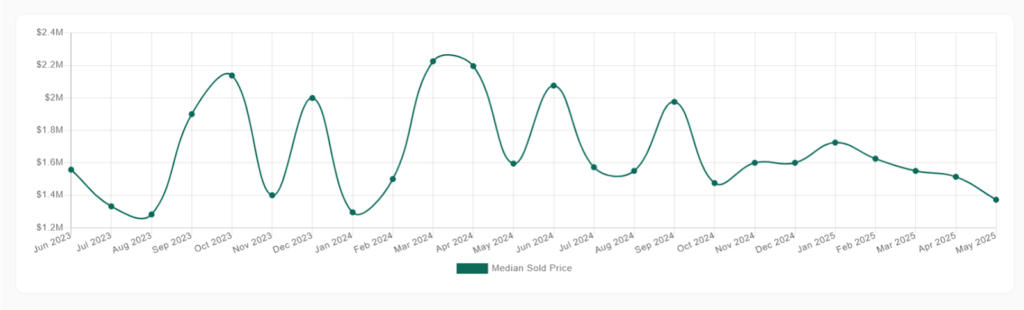
You’ll find everything from cozy condos starting in the high $700Ks to jaw-dropping waterfront estates that go well over $10 million. As of now, the median listing price sits around $1.4 million, according to Movoto.

So yeah—whether you’re looking for low-key luxury or full-blown coastal glam, Ocean Ridge delivers.

Palm Beach: Timeless Elegance

Located on a barrier island in Palm Beach County, this elite enclave sits between the Atlantic Ocean and the Intracoastal Waterway. It offers million-dollar views and a lifestyle to match.

With a year-round population of just 9,245, it’s private, exclusive, and packed with high-end real estate. What about the home price? Well, that’s not a fix, but there is the idea of it.

Homes here range from around $90K to a staggering $218 million, while the county’s median sits at $506,972. 

It’s a perfect place to settle down.

Manalapan: The Billionaire’s Enclave

It’s between the Atlantic Ocean and the Lake Worth Lagoon. Lantana borders this tiny coastal gem to the north and the Boynton Inlet to the south.

It’s small—just 2.4 square miles total. But around 81% of that is water, which means waterfront views and boat access are basically the norm.

And the most amazing part is,

Manalapan enjoys a tropical climate, with warm temperatures and ocean breezes all year long. It’s one of the only spots in the continental U.S. that truly feels like the Caribbean.

However, that means the real estate can’t be cheap here either.

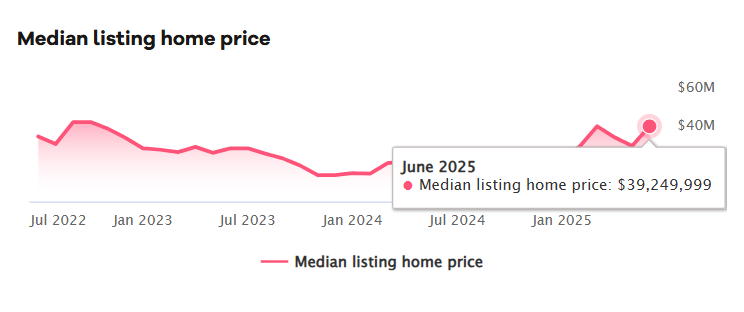
According to the realtor,

As of May 2025, the median listing price in Manalapan hit $39.249,99 million. That’s up nearly 79% year-over-year. 

It has every reason to demand that much. Why? Well, cause,

At $3.4K per square foot, you’re not just buying property here, you’re buying prestige, privacy, and panoramic ocean views.

Naples: The Palm Beach of the Gulf Coast

Naples may look relaxed on the surface. But don’t be fooled—this southwest Florida city knows how to bring the luxury. Its most stunning part is its Gulf Coast views, serene canals, and some of the most sought-after real estate in the state.

 Located along U.S. Highway 41, it sits between Miami and Fort Myers. It covers about 16.4 square miles, and interestingly, over a quarter of that, around 25%, is water.

That leaves 12.3 square miles of land and 4.1 square miles of stunning coastal and canal views. That’s why over 375,000 people stay there. That’s why the real estate there is also a hot topic,

As of January 2025,

The median sale price in Naples reached $825,000, a 5.8% increase from the previous year. However, in high-end neighbourhoods like Port Royal, expect median listing prices to be around $19.7 million.

Fisher Island: Ultra-Exclusive Living

Tucked just 500 feet south of Miami Beach, Fisher Island feels like a world of its own—and that’s exactly the point. Surrounded by Biscayne Bay on one side and the Atlantic Ocean.

It’s tiny—only about 0.36 square miles. But every inch of it is packed with high-end real estate and luxury amenities.

Let’s Talk Numbers

Home prices on Fisher Island start around $1 million and can climb well beyond $50 million. The median? Around $4.14 million. And if you’re curious about the top of the market.

If you’re after serious privacy, top-tier service, and ocean views that never get old, Fisher Island is your dream zip code.

Jupiter: Golf and Waterfront Living

It juts out into the Atlantic farther than any other point on the state’s coastline. That makes it a historic landmark for ships dating back to the 1500s.

The town covers about 21.1 square miles, with 20 square miles of land and a little over 1 square mile of water.

Thanks to its tropical rainforest climate, Jupiter stays warm most of the year, with hot, humid summers and mild, dry winters. Daily summer thunderstorms?

Totally normal—and usually quick. If you love monsoons, then this is for you.

That’s why,

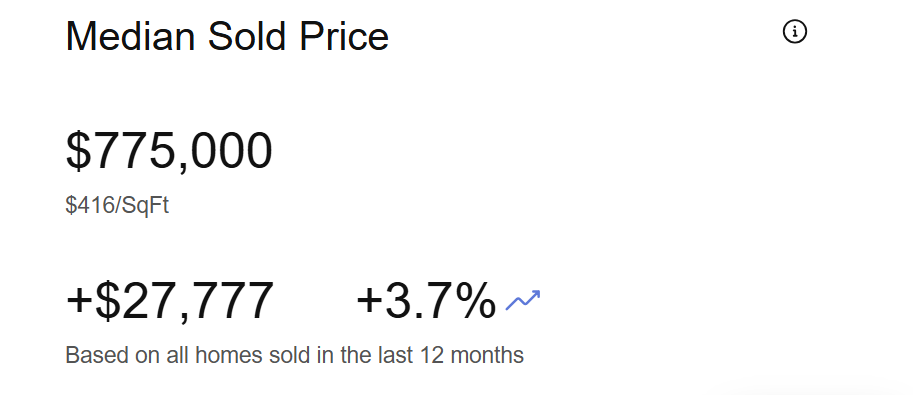
In May 2025, the median home price in Jupiter was $700,000, a 1.4% increase from the previous year, according to Redfin. Rocket Homes reported a slightly higher median sold price at $775,000 for the same period.

So while prices are climbing slowly, Jupiter remains a strong contender for anyone looking to invest in Florida’s coastal lifestyle.

Conclusion

At the end of the day, choosing the right Florida beach town really comes down to what you want—total seclusion, vibrant city energy, or something in between.

I’ve looked at everything from $700K homes in Jupiter to jaw-dropping estates on Fisher Island, and honestly?

There’s no shortage of dream spots here.