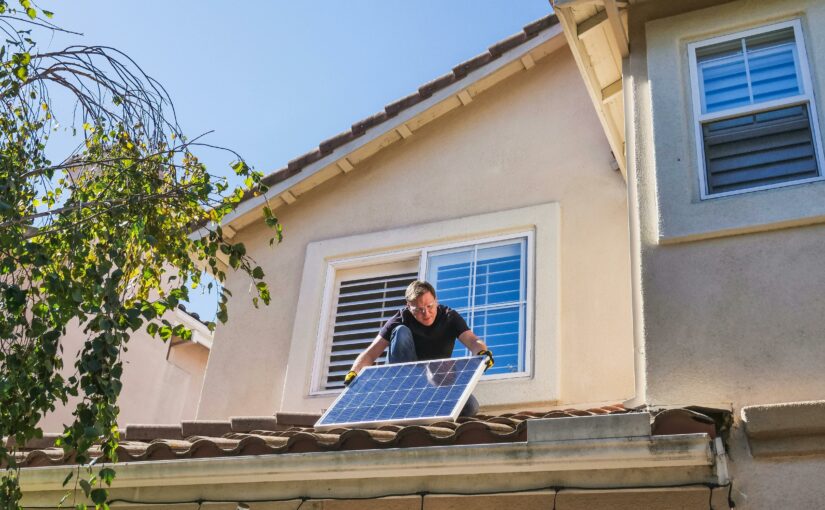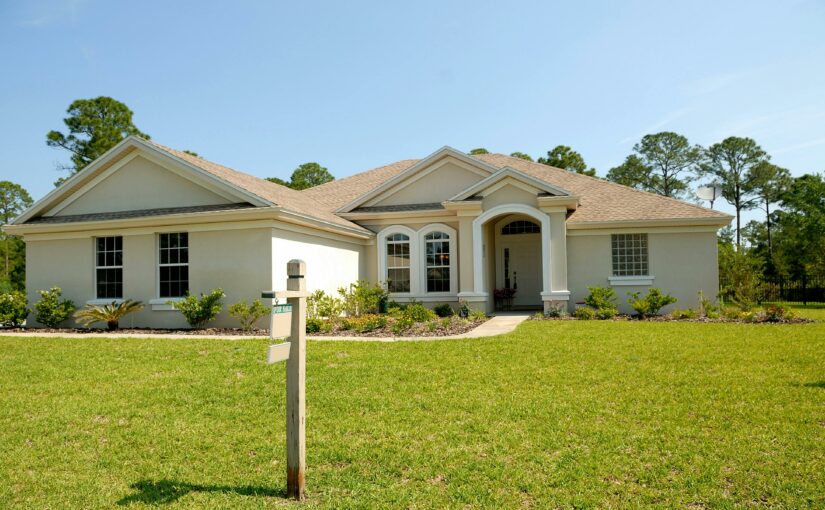
Wondering how to ditch that ever-growing list of repairs without sinking more cash into a property you’re ready to leave behind? In Alaska’s tough climate, houses age fast, and you might be thinking there has to be a simpler exit.
When you skim through resources at Alaskan Home Buyers, you’ll notice real stories of owners who chose a straightforward cash sale instead of another contractor invoice on their terms.
Mounting Repair Costs
Unexpected leaks, drafty windows, and a tired roof quickly chew through savings, especially when contractors in Anchorage book out weeks during short construction seasons.
Sticker Shock in The Last Frontier
Replacing a failing septic system in rural Alaska can top thirty-five grand, a jaw-dropping figure that makes many owners rethink conventional listing strategies.
Labor Shortages Push Prices Up
Fewer licensed electricians and plumbers mean higher hourly rates; winter travel surcharges further inflate even modest repair invoices on remote properties.
Market Penalties for Delays
Homes needing work linger, and every extra mortgage payment erodes profit while fresh listings priced right go under contract in roughly twenty-six days.
Cash Exit Avoids the Spiral
Accepting an as-is cash offer eliminates inspection repair credit negotiations, appraisals, and the stress of stretching your budget to patch deferred maintenance.
Cash Sale Advantages
Speedy cash buyers can close in one week, bypassing the lender maze and allowing relocation plans to start before the next snowfall arrives.
The benefits extend far beyond velocity, giving sellers peace of mind when facing job transfers, divorce, inheritance, or looming foreclosure deadlines.
- Zero Repairs Required. Investors buy “warts and all,” so sagging decks, outdated bathrooms, and peeling paint no longer delay your payday.
- No Financing Fallout. Conventional buyers sometimes lose approval mid-process; cash eliminates appraisal gaps and underwriting surprises.
- Flexible Move-Out Date. Negotiate a post-closing occupancy agreement, letting you stay thirty or sixty days while hunting your next home.
- Lower Closing Fees. Title companies streamline all-cash deals, trimming document prep, escrow, and junk lender charges.
Combine those perks with Alaska’s quick escrow statutes, and a cash sale often feels like swapping snowshoes for a snowmachine—swift, direct, and liberating.
Determine Selling Method
Before sticking a sign in the yard, decide whether you prefer maximum price, minimum hassle, or a compromise balancing both goals.
Full-Service Listing
Partnering with a top agent yields broad exposure, strategic pricing, and negotiation muscle—yet you’ll fund repairs and pay six to seven percent commission.
Flat-Fee MLS
Opt for a do-it-yourself listing on the statewide MLS; pocket commission savings but handle showings, disclosures, and buyer questions solo.
Cash Marketplace Platforms
Sites like Houzeo blast your address to hundreds of vetted investors, generating multiple as-is bids within days with minimal paperwork.
As-Is Listing Basics
Selling “as is” means disclosing defects plainly while declining to make repairs, shifting responsibility for fixes to the next owner.
Mandatory Alaska Disclosures
The Residential Real Property Transfer Disclosure Statement lists plumbing, roof, and foundation issues; honesty here prevents post-sale legal headaches.
Price Reflects Condition
Agents recommend discounting cosmetic projects about $5,000 each and structural concerns by their full estimated repair cost to attract serious buyers.
Inspection Contingencies Still Appear
Even when sold as is, buyers may insert inspection periods; clarify that reports are informational only and no repairs or credits will be granted.
Marketing Angle Matters
Highlight potential—mother-in-law suite, sizable lot, or rental income—so shoppers look past peeling linoleum and focus on upside once renovated.
Pricing For Fast Offers
Getting multiple bids quickly hinges on nailing the list price; aim too high and stale days on market slash leverage.
Anchorage appraisers confirm buyers still benchmark comparable sales even for fixer-uppers, so strategic discounts spark competition without leaving money behind.
- Analyze Recent Cash Comps. Filter for properties needing work and subtract estimated rehab costs to set a realistic starting figure.
- Incentivize Early Birds. Offer a two-percent price rollback if a contract arrives within seventy-two hours, motivating investors to act.
- Tiered Reductions. Pre-schedule weekly five-thousand-dollar drops; transparency tells buyers waiting will cost them inventory.
- Include Big-Ticket Estimates. Provide written quotes for roof or furnace replacement so investors factor facts, not fear, into their calculations.
These tactics often trigger a bidding “sled race,” letting you choose the strongest terms rather than begging for interest after weeks online.
Streamline Pre Sale Tasks
Even if you’re selling as is, a few low-cost chores can lift perceived value and shave days off the timeline.
Think of this step as waxing a snowboard—you’re not changing the board, merely ensuring it glides smoothly down the marketing slope.
- Deep Clean. Hire a crew for under three hundred dollars; sparkling kitchens help buyers overlook aging cabinets.
- Declutter. Box personal items, trim furniture, and donate extras; open floor space makes rooms feel larger and renovation potential clearer.
- Light Landscaping. Mow, rake, and add fresh gravel to the driveway so first impressions feel cared for, not abandoned.
- Professional Photos. Quality images attract more clicks; many cash investors decide sight unseen based on online galleries.
Total spend under one thousand dollars frequently returns multiples by shortening holding costs and raising initial offer strength.
Choose Closing Timeline
Negotiating when keys exchange hands is as important as price, particularly when winter weather limits moving windows.
Seven-Day Express Close
Ideal for vacant or inherited property, this option minimizes utilities, insurance, and snow removal expenses piling up during marketing.
Thirty-Day Standard Close
Fits most financed transactions and allows you to coordinate movers, storage pods, and school enrollment before leaving town.
Rent-Back Arrangement
Remain in the home after closing, paying daily rent; perfect when new-construction completion dates remain uncertain in tundra-impacted schedules.
Key Seller Incentives
Sweeteners nudge hesitant buyers over the finish line, often costing less than protracted price cuts.
Craft perks that matter to investors and homeowners alike, positioning your deal as the smartest choice in a tight inventory market.
- Cover Title Insurance. A few hundred dollars gives buyers immediate savings and goodwill.
- Offer Closing Cost Credit. Two percent credit appeals to VA or FHA buyers stretched by upfront fees.
- Include Appliances. Leaving washer, dryer, and chest freezer reduces buyer setup costs and keeps bulky items off your moving truck.
- Pay HOA Transfer Fees. Eliminating surprise paperwork charges fosters trust and smoother escrow.
Use incentives sparingly and advertise them prominently; transparency fuels urgency without eroding perceived property value.
Frequently Asked Questions
Sellers routinely ask how fast a cash deal can close, what paperwork is required, and whether they’ll net enough without traditional marketing.
How Quick Is Quick?
Local investors frequently wave inspections and fund within seven days, while national buyers average fourteen; both beat conventional thirty-five-day loan timelines.
Will I Lose Money?
Skipping repairs and commissions narrows the gap; research by HomeLight shows selling expenses alone consume up to ten percent of Alaska sale prices.
Is An Attorney Required?
Alaska uses title companies, not attorneys, for closings, though legal counsel is wise when heirs, liens, or seller financing complicate contracts.
Do I Need An Appraisal?
Cash transactions don’t mandate appraisals; buyers may order one for confidence, but waiving the contingency keeps momentum strong.
What About Capital Gains?
Federal exemptions still apply; live in the property two of the last five years and shelter up to two-hundred-fifty-thousand dollars in gains.
Final Takeaway
Selling quickly for cash removes renovation stress and unpredictable timelines. Evaluate offers, set a realistic price, and keep paperwork organized to avoid delays. When you need a direct cash buyer in Alaska, review terms to sell Alaska home for cash to confirm the approach suits your situation before making a decision.