How To Sell a House without a Realtor

You’re ready to sell your house without a realtor and want to avoid extra fees or complicated negotiations. This guide focuses on practical, step-by-step strategies to simplify the entire process.

You’ll discover how to set a competitive price, prepare appealing marketing materials, and conduct showings confidently. Recognizing potential pitfalls early helps you negotiate effectively and close the deal successfully today.

If you need comprehensive guidance on Massachusetts property transactions, explore https://www.valleyresidentialgroup.com/ for professional insights. Stay proactive, embrace proven strategies, and successfully sell your home on your own terms today.

Weigh FSBO Pros

Taking a for-sale-by-owner route can save you money and grant total control. Yet, it demands remarkably extra work and a solid plan from the start.

  • Save listing commissions: You skip paying an agent’s portion, retaining crucial proceeds.
  • Enjoy full control: You steer pricing, marketing, and showings throughout every stage.
  • Negotiate buyer’s fee: You can still bargain on the buyer’s agent commission to optimize profit.
  • Beware of time demands: Handling research, open houses, and contract details alone can be challenging.

Many FSBO homes statistically sell for less, so weigh those potential drawbacks carefully and proceed. Remember to learn from experienced pros whenever you have uncertainties.

Assess whether you have time and expertise for researching comparable sales, addressing repairs, and coordinating paperwork. If yes, a self-managed sale could be truly worthwhile.

Think through your negotiation comfort level because buyer’s agents often negotiate very aggressively. You’ll need a strategy to handle firm offers and tricky contingencies effectively.

Finally, trust your knowledge of the unique property and local market conditions to gauge feasibility. If confident, a FSBO route might be your perfect choice.

Prep the Property

Breathe life into your listing by thoroughly preparing your house. A clean, organized environment builds immediate trust and helps potential buyers envision themselves living there.

Declutter and Deep Clean

Begin by removing non essential items from closets and shelves, as open spaces look larger. Then tackle stubborn grime to create sparkling floors, counters, and bathrooms.

Boost Curb Appeal

Prune overgrown shrubs, mow the lawn, and fix cracked walkways for a polished look. Even small gestures like fresh mulch can impress curious viewers immediately.

Gather home warranties, manuals, and repair records in one folder for quick reference. This proactive approach proudly keeps potential buyers confident about your property’s history.

Price the Home

Setting a competitive price is pivotal. Begin by exploring online estimators, yet remain mindful that automated tools might not capture your property’s unique selling points.

Study Comparable Sales

Analyze recent nearby transactions with similar size and features. This research helps you see where your home stands and clarifies a realistic firm pricing goal.

Mind Local Market Trends

Check if your area is leaning toward sellers or buyers. Broad demand shifts affect how quickly you can sell and the price you can command.

Use price banding to stand out. If multiple homes cluster around a certain figure, positioning your property slightly above or below can capture buyer interest.

Post Online Listings

Appealing digital presence is crucial for a fast sale. Once your home is camera-ready, build eye-catching listings to draw in highly motivated, qualified potential buyers.

  • Take crisp photos: Clear, bright images elevate interest and highlight key features.
  • Detail your upgrades: Provide accurate square footage and mention renovations for a stronger pull.
  • Leverage FSBO platforms: Sharing on specialized sites boosts visibility among targeted audiences.
  • Screen interested parties: Confirm pre-qualification and proof of funds for serious leads.

Use social media to expand your reach beyond real estate marketplaces. Enthusiastic online exposure can spark immediate buzz and genuine excitement about your well-prepared property.

Consider placing a dedicated listing on Zillow’s FSBO portal. This tool lets you manage photos, pricing updates, and inquiries, ensuring exposure for your offering.

Promote the Sale

Attracting the right buyers involves thoughtful marketing beyond online posts. Show genuine enthusiasm and creativity to generate a buzz that drives more showings and offers.

Leverage Community Connections

Your network can effectively boost exposure. Ask friends, family, or colleagues to share your listing, as personal referrals often yield especially stronger, more motivated buyers.

Host Informative Open Houses

Invite neighbors and potential buyers to a casual walkthrough. Provide property details, highlight recent improvements, and be available to answer questions with confidence and warmth.

Host Showings Safely

Inviting strangers inside means careful planning. Implement security measures and remain vigilant to protect yourself, your belongings, and everyone viewing your home during scheduled showings.

Secure Valuables

Place jewelry, credit cards, and prescription medications in locked compartments. Remove personal documents and sensitive information to eliminate potential risks during open houses or tours.

Control Access

Insist on scheduled appointments and accompany visitors, but don’t trap yourself. Always stand near an exit to ensure you feel comfortable while showing each area.

Negotiate Final Offer

Once multiple bids emerge, shifting to a best and final strategy can maximize your outcome. Clearly define realistic expectations and set a firm submission deadline.

  • Create urgency: Tight timelines encourage serious buyers to show true intentions quickly.
  • Evaluate contingencies: Favor offers with fewer conditions to ensure smoother closing.
  • Stress finality: Emphasize that revised bids come last, minimizing negotiation delays.
  • Focus on terms: Don’t overlook flexible closing dates or added incentives.

After receiving proposals, weigh each factor meticulously. Compare financial readiness, inspection demands, and flexibility in moving dates, truly ensuring you pick the best overall arrangement.

Complete Key Paperwork

Closing confidently demands having the right documents ready. Gather every relevant record so potential buyers and lenders can assess your home’s condition and ownership status.

Disclosure Requirements

Prepare mandatory forms detailing any known structural or environmental problems. Honest, accurate disclosures protect you from legal issues and instill trust in potentially wary buyers.

Proof of Ownership

Have your existing deed, mortgage statements, and title paperwork accessible. Clean titles simplify final negotiations and speed up the buyer’s confidence in your legitimate claim.

Close With Confidence

You have the power to finalize your home sale without an agent, relying on your own diligence and trusted resources. Take control, complete all necessary steps with vigilance, and handle negotiations with clarity. For peace of mind, consult Valley Residential Group LLC when you need support or expert guidance.


How to Choose the Right Roofing Material for Cold Climates

1. Introduction

Living in an area with harsh winters can present serious challenges for your home, especially your roof. Snow, ice, freezing temperatures, and strong winds can cause significant damage if your roof isn’t made from the right materials. Your roofing choice plays a crucial role in protecting your home and maintaining energy efficiency. Wortham brothers roofing in Dallas specializes in providing durable and weather-resistant roofing solutions to ensure your home stays safe and well-protected.

With so many materials available, it can be hard to figure out which one is best for cold climates. Rescue My Roof, a company with over a decade of experience specializes in helping homeowners choose the perfect roofing solutions for winter. This guide will explain the unique challenges of cold climates, the best roofing materials, and the factors to consider when making your decision.

2. Key Challenges for Roofs in Cold Climates

Roofs in cold regions must endure extreme weather conditions, which can weaken their structure over time. Below are some of the biggest challenges:

  • Heavy Snow Loads: Accumulated snow adds weight to the roof, potentially stressing it if the structure isn’t built to handle it.
  • Ice Dams: Poor ventilation and insulation can cause ice dams, where melted snow refreezes at the roof’s edge. This can lead to water leaks and damage.
  • Freeze-Thaw Cycles: Water often seeps into cracks, freezes, and expands, causing roofing materials to deteriorate over time.
  • Strong Winds and Storms: Winter storms with high winds can loosen shingles and cause severe damage to the roof’s surface.

Choosing durable and weather-resistant materials can protect your roof and home for years.

3. Best Roofing Materials for Cold Climates

Not all roofing materials perform well in cold weather. Below are the top options for homes in harsh winter climates.

3.1 Metal Roofing

Metal roofs are one of the best choices for cold climates. They are extremely durable, long-lasting, and able to shed snow easily, which reduces stress on the roof. Metal is also resistant to cracking during freeze-thaw cycles.

Though the upfront cost is higher than other materials, metal roofing requires little maintenance and offers excellent energy efficiency. Because of this, it’s a wise long-term investment for homeowners.

  • Pros:
  1. Lasts over 50 years.
  2. Snow slides off easily.
  3. Resists cracking from freeze-thaw cycles.
  • Cons:
  1. Expensive upfront.
  2. Requires extra insulation to reduce noise from rain or hail.

3.2 Asphalt Shingles

An inexpensive and widely used roofing material is asphalt shingles. They are widely available, easy to repair, and perform well in cold climates when made with fiberglass reinforcement for added durability.

However, standard shingles can become brittle in extreme cold. Choosing high-quality shingles designed for winter is essential to ensure they last. Asphalt roofs typically have a lifespan of 15 to 30 years, making them a budget-friendly option.

  • Pros:
  1. Affordable and readily available.
  2. Modern options include fiberglass for added strength.
  3. Easy to replace or repair.
  • Cons:
  1. Shorter lifespan compared to other materials.
  2. Can crack or become brittle in very cold weather.

3.3 Slate Roofing

A high-end roofing material, slate is prized for both its inherent beauty and longevity. It is highly resistant to moisture and heavy snow, making it ideal for cold climates. Slate roofs can last up to 100 years, making them a long-term solution.

However, slate is heavy and expensive. It often requires reinforced roof framing to support its weight, and installation must be done by experienced professionals.

  • Pros:
  1. Extremely durable and long-lasting (75-100 years).
  2. Naturally resists moisture and cold weather.
  • Cons:
  1. High cost and heavy weight.
  2. Requires skilled contractors for installation.

3.4 Wood Shakes and Shingles

Wood shakes and shingles are a natural and attractive roofing option. They provide good insulation, helping retain heat during the winter months.

However, wood is prone to moisture-related issues like rot and mold. Regular maintenance is essential to prevent damage. Wood roofs may not perform well in areas with prolonged heavy snowfall or excessive moisture.

  • Pros:
  1. Excellent natural insulation.
  2. Aesthetic appeal for certain home designs.
  • Cons:
  1. Needs frequent maintenance.
  2. Less durable than metal or slate in heavy snow conditions.

3.5 Synthetic Roofing Materials

Synthetic roofing materials, such as composite shingles, are designed to mimic the look of high-end materials like slate or wood while being more affordable and lightweight. These materials are durable, freeze-thaw resistant, and a good option for cold climates.

While they may not last as long as natural materials, advancements in technology have made synthetic roofs a reliable and visually appealing choice for many homeowners.

  • Pros:
  1. Mimics the look of slate, wood, or other materials.
  2. Lightweight and resistant to cold weather damage.
  • Cons:
  1. Lifespan may be shorter than natural materials.
  2. Quality can vary by manufacturer.

4. Key Features to Look For in Cold-Climate Roofing

There are a few things to think about while selecting a roofing material for your house:

Durability: Select materials that can handle heavy snow, ice, and wind without wearing out quickly.

Energy Efficiency: Look for roofing materials with good insulating properties to help lower heating costs during winter.

Water Resistance: The material should prevent water from seeping into cracks and causing freeze-thaw damage.

Proper Installation: Ensure the roof is installed with the right underlayment and ventilation to prevent common issues like ice dams.

5. Consult a Professional

Deciding on the best roofing material for cold climates can be challenging, as it depends on your home’s structure, local weather conditions, and budget. Consulting with a roofing professional can make the process easier. Experts can assess your needs and recommend a material that will protect your home and last for many years.

6. Conclusion

The first line of protection for your house against winter weather is your roof. Choosing the right material is essential to ensure it can handle snow, ice, and freezing temperatures while maintaining energy efficiency.

Whether you opt for metal, asphalt, slate, wood, or synthetic materials, each option has its advantages and drawbacks. Evaluate your budget, climate, and long-term needs before making a decision. With the right roofing material and professional installation, your home will stay safe and warm even during the harshest winters.

Green Bathroom Tile Ideas – 10 Ways to Upgrade Your Bathroom

Green is a beautiful and refreshing color, often linked to nature, health, and new beginnings. Since it is one of the most soothing colors to the eyes, green has become a popular choice for bathrooms. If you’re looking to add a touch of green tile to your bathroom, this guide will help you pick the right shade and explore creative ways to style your space. Green tile can bring a calming, natural vibe to your bathroom, making it feel more inviting and serene.

Selecting the Perfect Green Shade for Your Bathroom

  • Bold and Dramatic: If you love a striking look, go for emerald or teal tiles. These rich shades will add depth and elegance to your space. They are ideal for making a statement and giving your bathroom a luxurious, high-end feel.
  • Soft and Light: If you prefer a calming atmosphere, pastel greens or sage green tiles are great options. They also work well with white for a clean, fresh look. Light green shades are perfect for creating a spa-like experience at home.
  • Dark Shades in Small Spaces: Darker tiles can make a space feel smaller, but they can still look stylish, even in small bathrooms. You can balance them with lighter tiles, bright lighting, and mirrors to keep the space from feeling too enclosed.

Can You Mix Different Shades of Green?

Yes! Mixing different shades of green can create a unique and stylish effect. You can experiment with different styles, such as:

  • Multi-shade mosaic tiles for a striking, artistic appearance.
  • Fish scale tiles to add texture and movement.
  • Glass subway or square tiles to reflect light and add depth.

10 Green Bathroom Tile Ideas

1. Simple Sage Green Wall Tiles

If you love soft and muted colors, sage green is a perfect choice. These tiles create a peaceful and relaxing feel. To make them stand out, pair them with gold fixtures like taps and showerheads. Sage green works well in modern and traditional bathroom designs, making it a versatile option for any home.

2. Art Deco-Inspired Tiles and Wallpaper

If you love vintage-inspired designs, consider an Art Deco theme. Deep green tiles with bold patterns and decorative wallpaper can create a stunning look. Wallpaper is a great way to add contrast, and you can easily change it whenever you want a new style. Adding gold accents, such as light fixtures and mirrors, will enhance the glamorous feel of an Art Deco-inspired bathroom.

3. Green Marble Tiles for a Luxurious Look

Natural marble has been used for centuries and never goes out of style. Green marble tiles add a spa-like, elegant feel to a bathroom. Large-format polished marble tiles create a seamless, high-end finish. Pair them with neutral-colored elements like white or beige to keep the look sophisticated and balanced.

4. Fun Fish Scale Tiles

Fish scale tiles, also called mermaid tiles, are playful and stylish. They work beautifully as a feature wall or backsplash. For a fun contrast, combine them with simple white tiles. These tiles create a unique visual effect that mimics ocean waves, making them a fantastic choice for a relaxing bathroom atmosphere.

5. Glossy Green Tiles for the Bathroom Floor

Most people use small herringbone tiles for walls, but why not try them on the floor? Deep green glossy tiles can add a wow factor, especially with an all-white bathroom. The polished finish makes them perfect for a stylish and modern look. These tiles reflect light beautifully, helping to make the space feel more open and inviting.

6. Bold Striped Tiles in the Shower Area

The shower is a great place to get creative with tile patterns. Striped tiles, like green and white metro or square tiles, create a classic and timeless design. Brass showerheads add an extra touch of elegance. Stripes can be arranged vertically or horizontally, depending on the effect you want to achieve—vertical stripes make the room feel taller, while horizontal stripes make it appear wider.

7. Square Spearmint Wall Tiles

For a minimalist and elegant look, try spearmint-colored square tiles. Colored bathroom fixtures are becoming trendy again, so you can pair these tiles with pink, yellow, or even matching green sinks. Spearmint tiles provide a refreshing, airy feel that works well in small and large bathrooms.

8. Beautiful Mosaic Tiles

Mosaic tiles are often used in pools and spas, making them a perfect choice for a bathroom. If you don’t want a fully tiled bathroom, consider adding a mosaic feature wall or a decorative panel. This approach adds visual interest and can highlight a specific area, such as a vanity backsplash or shower wall.

9. Glossy Metro Tiles for a Classic Look

Deep bottle green subway tiles create a timeless and stylish space. You can enhance the look with white fixtures, a light-colored floor, and gold or brass taps. The glossy finish of metro tiles adds a sleek and polished feel, making them an excellent choice for modern and traditional bathrooms alike.

10. Refreshing Mint Green Tiles

For a bright and cheerful bathroom, go for mint green tiles. They work well with pink, white, and plenty of greenery. This combination creates a soft, refreshing, and inviting atmosphere. Mint green is particularly effective in bathrooms with natural light, as it enhances the brightness and makes the space feel fresh and open.

Tips for Styling a Green Tiled Bathroom

  • Grout Matters: The color of the grout can change the way your tiles look. White grout makes dark green tiles stand out while matching grout gives a seamless look.
  • Finishing Touches: Small details like gold tile edging or border tiles add a luxurious feel.
  • Perfect Color Combinations: Green pairs beautifully with white, black, and gold. Gold taps, pipes, and showerheads make the green tiles pop.
  • Fun Accessories: Don’t be afraid to mix and match. Green looks great with pink, yellow, orange, or red accents.
  • Mix Tiles and Wallpaper: If you don’t want to tile the entire bathroom, you can complement your green tiles with stylish wallpaper for a bold and unique look.

Real Estate Investing on a Small Budget: Proven Strategies for Success

Many believe real estate investing requires a lot of cash upfront, but that is not always the case. While having capital helps, there are plenty of ways to build wealth in real estate without a massive budget. Therefore, this guide explores practical and proven ways to break into real estate investing, even on a tight budget.

Investment Strategies for Building Wealth with Limited Funds

Real Estate Investment Trusts (REITs)

(REITs) are companies that own, operate, or finance income-producing real estate across various sectors, such as residential, commercial, and industrial properties. Therefore, investing in REITs allows individuals to gain exposure to the real estate market without owning physical properties. This approach can be more accessible and cost-effective, especially for those with limited capital.

WallStreenZen’s go-to sites can be valuable resources for investors interested in REITs. They have insights into market trends, financial metrics, and performance forecasts, aiding investors in making informed decisions about which real estate stocks align with their investment goals.

Research Local Markets for Profitable Opportunities

Look for undervalued properties in up-and-coming neighborhoods before prices rise. Local government websites, economic reports, and real estate platforms can provide valuable insights into future development plans and zoning changes that may impact property values. In addition, analyzing historical market trends can help you identify cycles and make well-timed investment decisions.

Attend Real Estate Meetups and Industry Events

Attending local real estate meetups, industry conferences, and property auctions can help you connect with experienced investors, realtors, and lenders. These professionals often have access to off-market deals, creative financing options, and insider knowledge that can give you an edge.

Many investors are willing to share insights and strategies with newcomers, especially those willing to learn and contribute.

Leverage Financing Options

Traditional loans, such as Federal Housing Administration or Veterans Affairs loans, allow buyers to secure properties with low down payments, making them ideal for those who qualify. Seller financing is another option, where the buyer negotiates directly with the seller to make payments over time rather than relying on a bank. It can reduce upfront costs and provide more flexible terms.

Further, crowdfunding has become a popular way to invest in real estate, especially for people without access to traditional loans. Online platforms pool money from multiple investors to purchase properties, allowing individuals to own a fraction of a real estate asset without the responsibility of direct ownership.

This method lowers the barrier to entry and offers exposure to developments that would typically be out of reach for small investors. Unlike traditional real estate, where transactions take weeks or months, crowdfunding platforms provide a streamlined process with lower capital requirements.

Build Relationships with Local Real Estate Professionals

Developing strong connections with realtors, property managers, and contractors can provide inside access to good deals and market insights. Real estate agents often have early knowledge of distressed properties or motivated sellers looking to close quickly, offering an advantage over traditional buyers. In addition, property managers can provide insights into rental demand, tenant expectations, and operating costs.

Further, networking with contractors and home inspectors can help you estimate renovation costs and avoid overpaying for fixer-upper properties.

Stay Updated on Market Trends and Economic Indicators

Understanding market news, housing reports, and policy changes can help you anticipate shifts that may impact property values and financing options. Therefore, subscribe to real estate newsletters, follow industry experts, and monitor financial news to stay informed about trends that could create opportunities or risks in your target market.

Explore Creative Investment Strategies

For example, rent-to-own agreements provide a path to ownership by allowing tenants to lease a property with the option to buy it later. A portion of the rent often goes toward the purchase price, reducing the need for a large down payment. This approach benefits buyers and sellers—buyers can lock in a price while improving their financial standing, and sellers attract committed tenants who may eventually purchase the property.

Another strategy is a subject-to-deal, where an investor takes over an existing mortgage while the loan maintains the seller’s name. Instead of securing new financing, the investor makes payments on the original mortgage, often in exchange for a small upfront amount to the seller. This method is beneficial when dealing with distressed homeowners looking to offload their property quickly.

Start with Affordable Property Types

Investing in real estate does not always require you to purchase expensive properties. Fixer-uppers provide an opportunity to buy undervalued homes, renovate them, and sell or rent them at a higher price. Investors who can identify homes needing cosmetic or structural improvements can significantly increase their value with strategic upgrades. 

While fixer-uppers require upfront renovation costs, they often lead to high returns if purchased below market value and improved efficiently.

Mobile homes and tiny houses present affordable alternatives with investment potential for those looking for even lower-cost options. These properties require less capital than traditional homes while generating rental income or resale value.

Wholesaling offers another way to profit from real estate without owning property. Wholesalers secure contracts on undervalued properties and assign them to other investors for a fee. Since they do not purchase the property, wholesalers avoid financing and renovation costs, making it a low-risk entry point into real estate investing. Success in wholesaling depends on market knowledge and strong networking skills to find motivated sellers and interested buyers.

Partner with Other Investors

Joint ventures allow multiple investors to combine funds and expertise to purchase properties that might be out of reach individually. Partnerships can have some investors contribute capital while others handle property management or renovations. By sharing responsibilities and profits, joint ventures provide a strategic way to reduce risk while expanding an investment portfolio.

Real Estate Investment Groups (REIGs) offer another way to collaborate with experienced investors. These groups operate like small investment firms, where members contribute funds to purchase and manage properties together. 

Unlike joint ventures, where partners are directly involved in decision-making, REIGs often have a management team handling operations. This setup allows passive investors to gain exposure to the real estate market while leveraging the experience of seasoned professionals.

Conclusion

Success in real estate comes down to strategy, not starting capital. Investors who find creative ways to finance deals can move forward without waiting to save a large sum, often securing properties through unconventional methods that reduce upfront costs.

In addition, understanding the market and forming the right connections creates an even greater advantage, opening doors to undervalued properties and off-market deals that would not be available otherwise. 

Why Air Duct Cleaning Is the Key to a Healthier Home – Here’s What You Didn’t Know

Cleaning your air ducts is a necessary but commonly neglected facet of home ownership. Homeowners often do not realize how much they benefit from cleaning air ducts. In this article, we discuss why you need to perform air duct cleaning to maintain indoor air quality and your family’s health.

What is Air Duct Cleaning?

Air Duct cleaning removes dust, allergens, and other contaminants from the ductwork of your heating, ventilation, and air conditioning (HVAC) system. Dust, dirt, pet dander, mold spores, and pollen are harmful particles that can build up in your home’s air ducts over time. These pollutants can then recirculate into your home each time your HVAC system runs, spreading through the air you breathe.

Benefits of Air Duct Cleaning

Improve Indoor Air Quality

The first and foremost benefit of cleaning your air ducts is improving the air quality inside your house. Air ducts that have been cleaned translate to cleaner air in your home, which is particularly critical for people suffering from allergies or asthma. It also prevents the build-up of dust and allergens, resulting in a healthier living environment for all households.

Lowers the Number of Allergens and Irritants

Air ducts may contain allergens and toxins, causing allergies and respiratory impairments. 14 Frequent cleaning will go a long way in reducing the presence of these irritants, allowing everyone to breathe easily.

Contributes to a Cleaner Living Space

When dust collects in air ducts, it inevitably enters your home, diminishing its charm. Boosting Property Appeal with Clean and Fresh Carpets can complement duct cleaning services by enhancing the overall atmosphere of your home. Investing in these services minimizes the dust circulating in your space, so you won’t have to clean as often.

Removes Unpleasant Odors

Odors from pets, cooking, or even tobacco can linger in dirty ducts. Properly cleaning your air ducts eliminates these nice-smelling odors and leaves you with a fresher home.

Improves HVAC Efficiency

Dirt in your air ducts can limit airflow in your home, making your heating and cooling systems function more than usual to keep you at comfortable temperatures. Not only does this result in higher energy bills, but it can also reduce your system’s life span. Duct cleaning promotes the efficient operation of your HVAC.

How Often Should You Clean Your Air Ducts?

Air duct cleaning is not a one-off task but an essential part of the maintenance of your house. Most experts recommend cleaning your air ducts every three to five years. This routine keeps your home in a state of health and allows your HVAC to function correctly.

To help you out, here are signs you need air duct cleaning sooner.

Although the 3 to 5-year guideline is a reasonable rule of thumb, some signs tell you you need duct cleaning services sooner:

Increased Dust

If you see more dust accumulating on top of your furniture or the surfaces in your house, this could show that your air ducts are dirty. Extra dust means extra particulates floating through your home and impacting indoor air quality.

Unpleasant Odors

If musty or stale odors come out when your HVAC system runs, you might be ready for air duct cleaning. These odors could be due to mold or other contaminants in the ducts.

Allergy Symptoms

Dirty air ducts could cause you and your family more sneezing, coughing, itchy eyes, and other allergy symptoms. Cleaning the ducts can reduce these irritants and improve air quality.

Recent Renovations

If you have recently renovated your home with a remodel or construction, dust and debris can find a way into your air ducts. In this scenario, you should plan on duct cleaning whenever the job is done.

Pet Hair and Dander

And homes with pets will likely need duct cleaning a lot more often. Finally, pet hair and dander could accumulate inside the ducts, altering the air quality and inducing allergies.

Why Regular Air Duct Maintenance is Important

If your indoor air quality needs improvement, regular maintenance of an air duct can help you with that while also extending the life of your HVAC system. When air ducts are free of dust, dirt, and allergens, air flows without obstacles, helping your system to work at its best. That can result in lower energy bills and fewer repairs in the long run.

Conclusion

Air duct cleaning is a necessary process that should not be overlooked as it contributes significantly to the overall health of a household. Getting some duct cleaning services is essential to ensure that you can breathe healthier air and provide a cleaner space at home while saving the energy resources of the HVAC system. To enjoy these benefits and ensure you and your family breathe clean and fresh air daily, consider scheduling regular air duct maintenance for a healthier home.

How To Spot High-Value Properties in Thriving City Areas

As cities continue to expand and evolve, the demand for high-value properties in bustling urban centers has surged. Whether you’re an investor seeking long-term returns or a homeowner aiming for a prime location, understanding what makes a property valuable is key, especially in the competitive market of luxury real estate. But with so many options and rapid developments, how can one effectively identify the best opportunities? Let’s break it down.

Location: The Core of Property Value

It’s often said that location is everything in real estate. While that might sound cliche, the principle remains solid. Properties in thriving city areas offer proximity to amenities such as public transport, schools, workplaces, and entertainment hubs. But how do you distinguish between an average location and a high-value one?

Start by assessing neighborhood trends. For instance, areas like Maven Capitol Commons and other dynamic mixed-use developments have gained recognition for their seamless integration of residential, commercial, and leisure spaces. Such locations are designed to foster convenience and community living, making them highly desirable for a range of buyers. By examining factors such as foot traffic, local infrastructure projects, and access to green spaces, you’ll gain insights into the property’s long-term potential.

Infrastructure and Connectivity

A property’s connectivity often determines its value. Thriving urban centers tend to prioritize transportation networks, ensuring residents can move efficiently. Well-connected properties not only cater to convenience but also maintain strong resale value.

Look out for ongoing or upcoming infrastructure developments in the area. For instance, new train stations, road extensions, or bike paths can significantly elevate a neighborhood’s desirability. Conversely, properties that are isolated or difficult to access often struggle to attract buyers, even if the architecture is top-notch.

The Pulse of the Local Economy

Thriving city areas usually boast robust local economies, which, in turn, drive property value. Pay attention to the presence of businesses, startups, and retail establishments. These indicate a lively economy and provide a consistent pool of renters or buyers, making the area an attractive choice for real estate investments.

Equally important is understanding how the area aligns with future economic trends. For example, tech hubs often see a surge in property demand due to high-paying job opportunities. Similarly, areas near entertainment and cultural districts tend to attract younger, lifestyle-oriented demographics, creating a steady demand for housing.

Architecture and Design: Beyond Aesthetics

While architectural design and aesthetics might seem secondary, they play a crucial role in determining a property’s desirability. Buyers are drawn to spaces that balance form and function, offering layouts that adapt to modern lifestyles. Additionally, high-value properties often incorporate sustainable features, such as energy-efficient windows, smart home systems, and eco-friendly building materials.

But why is design so influential? Beyond its visual appeal, good design enhances the living experience. For example, properties with large windows and open floor plans create a sense of space, even in compact urban settings. Innovative and sustainable designs often contribute to increased market value over time.

Demand for Lifestyle-Centric Living

Modern buyers value lifestyle-centric properties that go beyond offering just four walls and a roof. Access to leisure amenities such as fitness centers, rooftop gardens, and co-working spaces can make a significant difference. This trend holds true for a variety of buyers, from those seeking luxury apartments to families searching for value homes.

Properties that encourage community interaction and support well-being tend to stand out. This is especially true in city areas where work-life balance is a priority. As urban living becomes increasingly fast-paced, buyers seek homes that serve as a retreat—and developers are responding to this demand with innovative solutions.

Long-Term Growth Potential

High-value properties are not just about immediate appeal; they’re about sustainability and long-term growth. Evaluating growth potential involves analyzing property trends, urban planning initiatives, and government policies. Cities that invest in innovation, smart city projects, and sustainable urbanization often see a consistent rise in property values.

For instance, a city’s focus on renewable energy or electric transport can signal progressive growth. Similarly, areas slated for urban redevelopment or gentrification often emerge as property hotspots. The ability to recognise these trends early on can make a substantial difference in your property portfolio.

Red Flags To Watch Out For

While it’s easy to get swept up in the promise of high-value properties, it’s equally important to recognize potential pitfalls. Be wary of overly inflated prices or developers that overpromise and underdeliver. Look for transparency in contracts, a history of quality construction, and the developer’s reputation within the industry.

Additionally, properties located in areas with environmental risks, such as flood zones or regions prone to natural disasters, can diminish in value quickly. Always factor in safety and risk management when evaluating properties.

Final Thoughts

Spotting high-value properties in thriving city areas is as much an art as it is a science. By focusing on location, connectivity, economic trends, and lifestyle amenities, you can identify properties that align with both your personal goals and market demands. Remember, the most valuable properties are those that not only meet today’s standards but also anticipate the needs of tomorrow.

How To Plan a Moving Timeline for Your New Property

Moving to a new property is an exciting milestone but can also be one of life’s most stressful events. Between packing, coordinating logistics, and adjusting to a new environment, it’s easy to feel overwhelmed. However, with proper planning, you can simplify the process and minimize the chaos. 

Creating a detailed moving timeline is one of the most effective ways to ensure a smooth move. This moving timeline checklist helps you stay organized and ensures everything is completed on time. Here’s a breakdown of creating a moving timeline that works for you. 

 Assess Your Move Date and Create a Moving Calendar 

The first step in planning your moving timeline is determining your move date and creating a calendar to track key tasks. If your move date is flexible, aim for the best moving time for your schedule and budget. For example, moving during off-peak seasons can save money and give you access to more resources.  

Once your move date is set, you can work backward to schedule tasks in the weeks leading up to the big day. A physical or digital calendar can help you stay organized as you build your timeline. Break down the process into manageable milestones, such as decluttering, packing timeline, and final preparations. Assign deadlines for each task to ensure you stay on track.  

Planning gives you a clear roadmap for the move, reducing the chances of last-minute surprises. It also allows you to identify obstacles early on, such as coordinating schedules with movers or preparing for unexpected delays. Establishing a timeline will enable you to approach your move confidently and clearly. 

Research and Book Moving Services (6-8 Weeks Before) 

Booking professional movers or renting a truck is critical to your moving timeline. About six weeks before your move is usually the perfect time to research movers or rental services. Compare prices, read reviews, and ask for recommendations from friends or family. This will help you find reliable movers that fit your moving budget and needs. 

If you’re hiring removalists, confirm their availability for your chosen date as soon as possible. Many companies get booked quickly, especially during peak moving seasons in the summer. Ask about additional services they offer, such as packing assistance or storage options, and clarify any extra fees to avoid surprises.  Additionally, ask about their experience in moving large items and whether they have the equipment for long-distance moving.

For smaller moves, consider alternative options, such as enlisting the help of friends and family or using portable storage containers. Whatever option you choose, securing your transportation early ensures a smoother moving day. Leaving this task until the last minute can result in higher costs or limited availability, so prioritize booking services early in your timeline. 

Declutter and Organize Early (4-6 Weeks Before) 

One of the most time-consuming aspects of moving is packing, which can be made much easier by decluttering early. About four to six weeks before your move, start sorting through your belongings. This is an excellent opportunity to eliminate items you no longer need or use.  

Organize your belongings into four categories: keep, donate, sell, or discard. Items in good condition, such as clothing, furniture, or electronics, can be donated to local charities or sold online or through garage sales. Create a schedule to drop off donations or arrange for pickups from organizations that accept them.  

Be sure to properly dispose of items that cannot be donated, such as broken electronics or hazardous materials. Decluttering not only makes packing more manageable, but it also gives you a fresh start in your new home. 

 Start Packing Strategically (2-4 Weeks Before) 

Packing is a labor-intensive moving process, but starting early can make it much more manageable. Begin packing two to four weeks before your move, focusing on items you don’t use daily. Seasonal clothing, decorations, books, and other non-essential items can be packed first.   

To stay organized, label each box clearly with its contents and the room to which it belongs. To make unpacking even easier, use color-coded labels or markers. Create an inventory list as you pack to keep track of your belongings.   

Don’t forget to gather all the necessary packing materials in advance, such as a moving binder, sturdy boxes, tape, bubble wrap, and packing paper. Having the right materials on hand will save you time and reduce the risk of items breaking during the move.   

Final Preparations (1 Week Before and Day Of) 

As moving day approaches, it’s time to finalize your preparations. About a week before your move, notify utility providers to transfer or cancel services at your old property and set them up at your new one. Update your new address with essential contacts like your bank, employer, and postal service.   

Pack an essentials bag with items you’ll need immediately after the move, such as clothes, toiletries, important documents, and chargers. Keep this bag separate from the rest of your belongings so it’s easy to access. Double-check your packing checklist, confirm arrangements with movers, and prepare for any last-minute tasks, such as cleaning your old property or returning keys to your landlord. 

On a moving day, ensure clear communication with your movers or helpers. Walk through your old home to check for forgotten items, turn off utilities, and secure the space. With all preparations completed, you can focus on settling into your new home.  

Conclusion 

Planning a moving timeline is the key to reducing stress and staying organized during your move. Following items in this moving checklist such as breaking down tasks, and staying on schedule, ensures a successful move to your new house. Moving is a fresh start, and with proper preparation, you can enjoy the process and look forward to life in your new home. 

Common Causes of Sidewalk Violations and How to Address Them Quickly

Sidewalk violations are a common issue for property owners, both residential and commercial. These violations can lead to fines, liability for injuries, and require prompt attention to ensure pedestrian safety. Understanding the common causes of sidewalk violations and how to address them quickly, and how to look up sidewalk violation NYC can help you maintain safe and compliant walkways. Here’s a guide to the most frequent issues and effective solutions.

Common Causes of Sidewalk Violations

1. Cracks and Holes

  • Cause: Cracks and holes in sidewalks are often caused by weathering, tree root growth, ground settling, and heavy traffic.
  • Impact: These defects pose tripping hazards and can lead to injuries for pedestrians.
  • Solution: Quick Fix: For small cracks, use concrete filler or epoxy to seal them. For larger holes, consider using a concrete patching compound.
  • Long-Term Fix: Replace the damaged section of the sidewalk to ensure a smooth and safe surface.

2. Uneven Surfaces

  • Cause: Uneven sidewalks are usually the result of ground settling, tree roots pushing up sections of the pavement, or poor initial installation.
  • Impact: Uneven surfaces are a major tripping hazard and can cause serious falls.
  • Solution: Quick Fix: Use a concrete grinder to level out minor uneven spots.
  • Long-Term Fix: Lift and re-level the affected sections using a technique called mudjacking or by replacing the slabs entirely.

3. Obstructions

  • Cause: Overgrown vegetation, debris, parked vehicles, and other obstacles can obstruct sidewalks, making them difficult to navigate.
  • Impact: Obstructions impede pedestrian access and can force people into unsafe areas, such as roads.
  • Solution: Quick Fix: Trim back overgrown plants and clear away any debris or objects blocking the sidewalk.
  • Long-Term Fix: Regularly maintain vegetation and ensure that the sidewalk remains free of obstructions by scheduling routine checks and cleanups.

4. Poor Drainage

  • Cause: Improperly designed or maintained drainage systems can cause water to pool on sidewalks, leading to slippery and hazardous conditions.
  • Impact: Standing water can degrade the sidewalk material over time and create a slipping hazard.
  • Solution: Quick Fix: Clear any blocked drains or gutters to ensure water flows away from the sidewalk.
  • Long-Term Fix: Re-grade the surrounding area to improve drainage and consider installing additional drainage systems if necessary.

5. Deterioration

  • Cause: General wear and tear from weather, foot traffic, and age can cause sidewalks to deteriorate.
  • Impact: Deteriorating sidewalks can become uneven, cracked, and unsafe for pedestrians.
  • Solution: Quick Fix: Apply a resurfacer to small areas of deterioration to improve the appearance and safety of the sidewalk.
  • Long-Term Fix: Plan for periodic full replacements of older sidewalks to ensure long-term safety and compliance.

How to Address Sidewalk Violations Quickly

1. Conduct Regular Inspections

  • Schedule regular inspections of your sidewalk to identify and address issues before they become violations.
  • Look for cracks, uneven surfaces, obstructions, drainage issues, and general wear and tear.

2. Prioritize Immediate Repairs

  • Address minor issues as soon as they are identified to prevent them from worsening.
  • Use temporary fixes to mitigate hazards while planning for more permanent solutions.

3. Hire Professional Help

  • For significant repairs, hire licensed contractors with experience in sidewalk maintenance and repair.
  • Ensure that all work complies with local regulations and standards.

4. Stay Informed About Local Regulations

  • Familiarize yourself with local codes and regulations regarding sidewalk maintenance.
  • Ensure you have the necessary permits and approvals for any major repairs or replacements.

5. Keep Documentation

  • Maintain records of all inspections, repairs, and communications with contractors and municipal authorities.
  • Documentation can be crucial in demonstrating your efforts to maintain a safe and compliant sidewalk.

Conclusion

Sidewalk violations can be a significant headache for property owners, but understanding the common causes and addressing them promptly can help you maintain safe and compliant walkways. Regular inspections, immediate repairs, and proper maintenance are key strategies to avoid violations and ensure pedestrian safety. By taking proactive measures, you can enhance the safety and appeal of your property while fulfilling your civic responsibilities. For comprehensive and reliable contracting services, visit Zicklincontracting.com to see how they can transform your project.

Does Affordable Housing Still Exit in the US Market?

At a glance, the real estate market looks pretty gloomy, especially for those looking for affordable housing options. Not to mention, all the reports from mainstream media about the ever-increasing cost of real estate properties further fuel this belief.

But that doesn’t mean there aren’t any hidden gems that are very much within the price range and don’t sacrifice any amenities.

With that said, let’s dive into this article and discuss everything you need to know about the affordable housing market in the US.

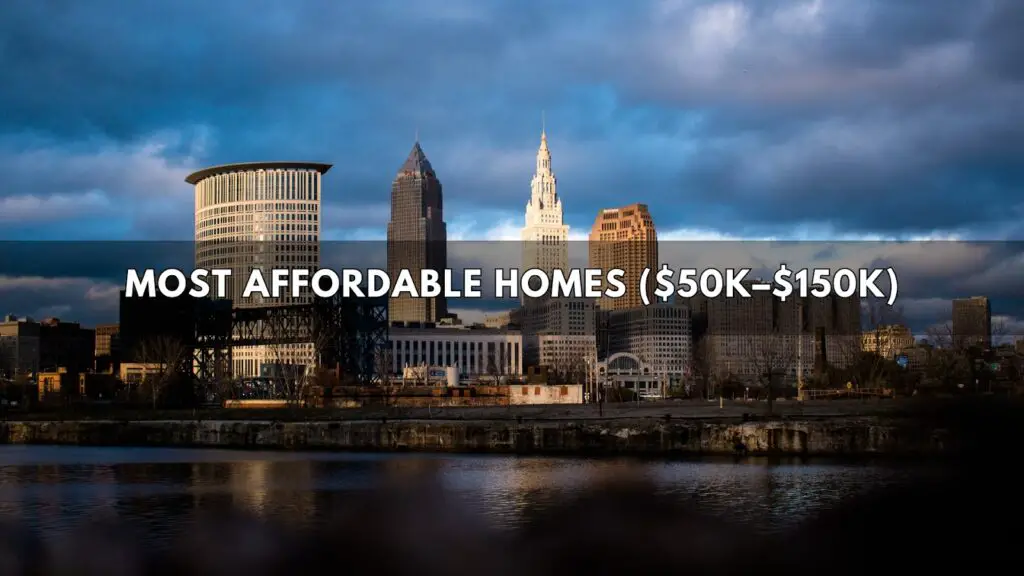
Most Affordable Homes ($50k–$150k): Accessibility for First-Time Buyers

The $50k–$150k price range is often considered the entry point for first-time homeowners and budget-conscious investors. Homes in this category typically include older properties requiring significant renovation.

You can only find modest single-family homes located in rural or less populated areas.

It might not seem much but properties in this price range have certain advantages. For example, many government programs, such as FHA loans, offer favorable terms to buyers in this price range.

Additionally, the lower purchase price often means reduced property taxes and insurance costs. Such benefits make these homes a financially prudent choice.

That being said, some homes in this price range might come with additional hurdles like extensive repair costs or limited inventory. But that doesn’t make it any less appealing for people with limited savings.

Now, let’s see which neighborhoods in the US offer such properties:

1. Cleveland, Ohio

Cleveland, AKA the Rust City, still remains one of the most affordable cities in the US. Located along the southern shore of Lake Erie, Ohio, it is home to many cultural institutions. Such as the Cleveland Museum of Art and the Cleveland Museum of Natural History.

As a result, this offers access to cultural amenities such as the Rock and Roll Hall of Fame and professional sports teams.

The affordable housing in this city typically consists of older single-family homes in established neighborhoods. There are also some multi-family homes in the suburbs that can serve as investment properties.

  • Median Home Cost: $109,571, up by 8.8% compared to last year. (Source: Zillow)

Cleveland also offers a low cost of living and opportunities for buyers looking to build equity in an affordable market.

2. Birmingham, Alabama

Birmingham is another excellent location for affordable housing in this price range, especially for first-time buyers or those looking for smaller homes. This serene city is situated in the north-central region of Alabama.

And the best part is, buyers on a tight budget have a wide range of affordable properties to choose from.

  • Average Housing Price: $127,795, down by 4.5% compared to last year. (Source: Zillow)

For example, Birmingham’s real estate properties include modest single-family homes in the suburbs. Or you could go for fixer-uppers which are closer to the city.

Not to mention, the city has a range of dining options, entertainment, sports, music, and job opportunities.

Mid-Range Properties ($150k–$300k): A Sweet Spot for Families

The $150k–$300k range caters to growing families, professionals, and buyers seeking homes with better amenities. These properties are often a step up from entry-level housing and provide a balance of affordability and quality.

Properties in this range typically include townhouses and single-family homes. These homes are more often located in the suburban areas.

Going for mid-range homes instead of entry-level ones also comes with many benefits. Like proximity to good schools, better infrastructure, community features, and so on.

Despite such advantages, mid-range properties are not without difficulties. You may have to put up a fight to buy a suitable property as there’s fierce competition in this range. Geographic disparity and rising mortgage rates are also ever-present concerns.

That being said, the rental opportunity and investment opportunity for young families make it a well-balanced choice for most buyers.

Here are some locations where you can find such properties:

1. Greenville, South Carolina

Greenville is a growing city in the Southeast with a vibrant downtown and affordable suburban neighborhoods.

This anchor city of upstate South Carolina boasts single-family homes with spacious yards, which are ideal for young families. Some newer townhouses can also be found in the rural areas closer to the city.

  • Median Housing Cost: $307,035, up by 2.6% compared to last year. (Source: Zillow)

What makes these properties stand out is their proximity to good schools, parks, and restaurants.

Greenville also boasts a strong job market, thanks to major employers in manufacturing and tech. This makes it a top choice for young professionals and families alike.

2. Kansas City, Missouri

Kansas City provides a robust housing market with affordable options in both the city and surrounding suburbs.

Buyers can expect charming historic homes in older neighborhoods like Brookside or Waldo. You can also find newer construction closer to the city.

  • Average Home Price: $235,610, up by 4.1% compared to last year. (Source: Zillow)

Kansas City is also known for its strong community feel, excellent school districts in suburban areas, and affordable cost of living.

As a result, it is a great option for buyers looking to balance quality and budget.

Lavish Condos and Properties ($300k–$500k): Luxury Within Reach

The $300k–$500k range appeals to upper-middle-class professionals, retirees, and investors looking for premium properties. These homes offer luxury touches without entering the ultra-high-end market.

Luxury condos, premium single-family apartments, and townhouses with high-end features; these are the type of properties you can find in this range.

These premium properties are usually located in prime locations. This opens up a wide range of benefits, such as upscaled amenities and a much higher investment potential. 

The below-listed cities are the hotspots for such properties.

1. Hilton Head Island, South Carolina

Hilton Head Island, nestled along South Carolina’s picturesque coastline, is a standout location for lavish yet affordable properties. Known for its upscale lifestyle and natural beauty, the island offers an enticing combination of luxury, amenities, and relaxation.

The city offers ocean-view condos with high-end finishes, located near beaches or marinas.

And that’s not all!

You can also find spacious townhomes with premium features like screened porches or outdoor patios.

From boating and water sports to fine dining and shopping, this island has it all without breaking your bank. As a result, it is a haven for retirees, second-home buyers, and professionals seeking a balance between luxury and relaxation.

2. Naples, Florida

Naples, situated on Florida’s Gulf Coast, is another destination for lavish yet relatively affordable properties.

  • Median Home Price: $585,137, down by 2.1% compared to last year. (Source: Zillow)

The highlights of the real estate market in this city are the upscaled condos. They come with serene water views, private balconies, and access to beach clubs.

Furthermore, Naples offers both urban conveniences and a laid-back vibe. Hence, the city usually attracts retirees and second-home buyers looking for a slice of luxury within a manageable budget.

Bottom Line

The ongoing inflation and housing stock crisis have not been kind to property buyers in the US. However, there’s still hope. The above-mentioned cities have something that we desperately need, affordable housing that meets all the requirements.

Anyway, that’s it for today. I hope this write-up has provided all the necessary information you were looking for.

Have a nice day!

Who is Dan? The Story Behind a Successful Plumbing Business

Ever wondered how a simple trade like plumbing can spawn a successful venture? Get ready, because we’re about to unveil the vibrant saga of Dan’s Plumbing. You may be surprised at what you uncover.

Sometimes you stumble across stories of ordinary people achieving extraordinary things. They are full of inspiration and surprises just like Dan’s journey from being a regular plumber to owning a thriving business.

Join us as we delve into Dan’s inspiring journey, shedding light on how challenges were turned into stepping stones for creating a flourishing plumbing setup. Unearth strategies they used that can help transform your own enterprise.

Dan’s Journey to Plumbing Success

Dan Dowdy, a second-generation master plumber turned serial entrepreneur, began his career in the plumbing industry early, building on his familial roots.

Familial Roots to An Uncharted Path

Experiencing the highs and lows of a family business, Dan developed extensive expertise in plumbing. Despite growing success over the years, he felt something was missing, leading him to hire his first business coach in 2010.

Sowing the Seeds of Transformation

Embracing new business approaches, Dan quadrupled his company’s employee count over the next decade. A breakthrough at a John Maxwell conference inspired him to become a business coach himself, fulfilling the ‘more’ he sought.

Transcending The Familiar Realm

He began training leaders within his plumbing company, ensuring its prosperity while founding Built for the Trades in January 2020. This path involved selling personal assets and working from a modest backyard office, relying on faith and family support.

A Leap Of Faith Pays Off

Encouraged by his peers, Dan pursued potential clients, securing handshake agreements and launching his coaching venture.

Moulding Future Leaders of the Industry

Through leadership development, Dan empowers home service business owners, maintaining a vision of personal and professional growth. His journey symbolizes faith, perseverance, and continuous learning.

Building a Resilient Business

Business resilience allows companies to weather disruptions. Adaptability, agility, and flexibility are essential.

Central Strive for Transparency

Develop a strategic mindset to identify risks and prevent problems proactively. Cultivate a transparent culture to encourage communication and empower employees.

Culture of Continuous Learning

Continuous learning keeps employees aligned with emerging skills and technology, enhancing adaptability. A business continuity plan ensures essential operations continue during disruptions.

Revolutionizing with Technology

Technology is crucial during crises, enabling automation and remote work. A strong network of partners and stakeholders further strengthens responses.

Inculcating Innovation

An innovative atmosphere encourages experimentation and risk-taking, vital in crisis management strategies.

Market Insights and Trends

Knowing industry standards and regulations is essential for safe and legal operations.

Investing in quality tools and equipment prevents delays and increases customer satisfaction.

  • Regulation Updates: Organizations like the American Society of Plumbing Engineers (ASPE) help with adherence.
  • Equipment Maintenance: Ensures longevity and reliability.
  • Team Training: Keeps skills current.
  • Exceptional Service: Promotes repeat business and referrals.

Rigorous training helps handle complex issues, setting your enterprise apart. A strong online presence attracts customers in the digital age.

Prioritize safety to prevent injuries and maintain trust. Sustainability reduces environmental impact and attracts environmentally conscious customers.

Crafting a Winning Strategy

Plumbers, mechanics, and other blue-collar professionals often outearn their white-collar counterparts without requiring traditional college degrees.

Earning Potential

In Atlanta, plumbers can earn up to $90K—a salary 70% higher than the region’s average.

Specialized roles like heavy equipment technicians and aircraft mechanics can surpass six-figure incomes.

Educational Opportunities

Trade degrees and tuition-free programs are available in states like Michigan and Georgia. Many employers also partly fund trade studies.

Licensed for Success

Proper training and licensing are vital in the trade industry; without them, failure is common.

Union Advantage

Being part of a union provides benefits like better education opportunities, higher remuneration, and collective bargaining power.

Investing in Future Growth

Successful plumbers plan for future growth by investing in their business, employees, and technology.

  1. Vision: Set ambitious goals for expansion and longevity.
  2. Employee Training: Keep staff current with industry trends.
  3. Industry Trends: Stay aware of new technologies like green tech.
  4. Service Diversification: Expand into complementary services.

Offer maintenance contracts for a steady income and foster strong customer relationships through unrivaled service.

Mastering Customer Retention

Understanding your customers is key. Conduct surveys and analyze behavior to grasp their preferences.

Establish shared values by showcasing your mission and focusing on social impact and transparency.

StrategyDescriptionEffect
Personalized ExperiencesAdapt offerings to individual preferences.Creates an integrated experience.
Email EngagementCommunicate regularly with diverse content.Builds relationships.
Dedicated SupportAddress concerns promptly.Ensures satisfaction.
Loyalty ProgramsReward commitment with benefits.Grows loyalty.

Build a community through interactive events and promotions. Educate customers to add value beyond your services. Exceed expectations to solidify bonds. Offer exclusivity with subscriptions. Show genuine appreciation to reinforce their importance.

Community and Professional Engagement

Dan builds his plumbing business by joining industry associations, staying updated on regulations, and networking.

Building an Online Presence

He develops a professional website and shares tips on social media.

Fierce Networking Game

Dan increases visibility through directories and attends industry events to build connections.

Referral Program for Growth

He incentivizes satisfied customers to refer others through rewards.

Maintaining Quality and Customer Education

Consistent, quality work builds his reputation. Educating customers positions him as a trusted expert.

Active Community Relations

Dan participates in local events and sponsors teams or charities, building goodwill.

Optimizing for Success

He optimizes online content with SEO strategies and keeps certifications updated to meet industry standards.

Your Turn Awaits

As you’ve discovered, Dan’s success is built on resilience and smart strategies. Now, it’s your turn to explore these lessons. Visit Dan’s Plumbing and embrace your own journey to success.