Upholstery Care Tips for Budget-Friendly Property Owners

You’ve stretched every pound to furnish your rental, so you want those sofas to last. Forget expensive gadgets—simple habits like rotating cushions and blotting spills keep fabric fresh. 

Vacuum seams weekly, not yearly, and test any cleaner on a hidden patch first. If spills turn stubborn, checking local guides on upholstery cleaning in Hampstead can show you affordable DIY fixes before you call in the pros for a fresher look.

Vacuum Regularly, Avoid Over-Wetting

Dust, grit, and pet dander grind into fabric every time someone sits down, so a quick vacuum session once a week protects fibers and keeps colors bright.

  • Use the right attachment. The small upholstery nozzle reaches crevices without scratching wood trim or pulling decorative threads.
  • Go slow and cross-hatch. Two passes—first length-wise, then width-wise—lift embedded soil that a hurried swipe misses.
  • Mind moisture levels. Handheld “spot extractors” feel handy, yet flooding cushions breeds mildew, rusts springs, and voids most furniture warranties.
  • Blot, don’t drench. For spills, press an absorbent towel firmly; over-wetting is the #1 error technicians see when repairing DIY cleanups.
  • Schedule deep cleans wisely. Professional low-moisture methods such as those at Bock’s Steam Star leave fabrics touch-dry in hours, preventing musty odors before they start.

Weekly vacuuming, combined with moisture-smart blotting, dramatically extends the life of every sofa, sectional, or headboard without costing a dime in replacement fabric.

Spot-Test All Cleaning Products

Labels, codes, and little-known solvents make upholstery chemistry feel intimidating, yet twenty seconds of testing prevents permanent rings, fading, and stiff “clean” patches later.

Decode the cleaning tag

Most cushions carry W, S, WS, or X codes. Matching cleaner to code keeps warranties intact and eliminates guesswork when you tackle future stains.

Create a testing zone

Pick the skirt’s underside or the back corner, then spray, blot, and wait until completely dry; any change here saves heartbreak on the armrest.

Allow full drying time

Many disasters appear only after moisture evaporates, so give the test area at least two hours before deciding a solution is truly fabric-safe.

Immediate Stain Treatment Hacks

Coffee, ketchup, and crayon marks happen fast; treating them within five minutes stops pigment from setting and keeps Saturday mornings free of scrubbing marathons.

Blot, never rub

Firm, downward pressure transfers liquid into the cloth instead of shredding fibers or spreading the spill into a dinner-plate-sized smudge.

Raid the kitchen

Mix a teaspoon of clear dish soap with warm water for food stains, or dab rubbing alcohol on ink—both are safe for most synthetics.

Lean on cold club soda

The fizz lifts tannins from coffee and wine; pour sparingly, blot repeatedly, and finish with a dry towel to prevent watermark rings.

Try parent-approved tricks

Parents swear by baby wipes for fresh messes because the mild solution dissolves sugars yet leaves no foamy residue—perfect during movie-night mishaps.

Know when to call pros

If a stain darkens after drying, professional hot-water extraction can still rescue it; quick photos help technicians choose the right pretreatment.

Deodorize With Baking Soda

Pet naps, onion dip, and humid weather create odors that linger long after visible crumbs are gone; baking soda neutralizes them for pennies per couch.

  • Vacuum first. Removing loose soil lets the powder contact actual odor molecules instead of forming grimy paste on surface dust.
  • Sprinkle generously. A snow-like layer over seats, backs, and arms ensures full coverage; don’t forget beneath removable cushions.
  • Work it in lightly. A soft brush pushes crystals between fibers where smells hide without matting delicate weaves.
  • Wait sixty minutes. Extra time equals extra freshness, especially in humid climates or homes with multiple pets.
  • Vacuum thoroughly. Slow overlapping strokes lift every grain, leaving fabric refreshed and ready for guests.
  • Repeat monthly. Consistent deodorizing prevents mustiness from ever taking hold, saving money on scented sprays.

For a deeper dive into odor-busting science, Family Handyman recommends this exact method in their step-by-step couch guide.

Budget-Friendly Steam Cleaning

Nothing beats the sanitizing power of steam, and modern handheld units make DIY deep cleaning possible without shelling out big bucks for commercial rentals.

Choose a low-pressure model

Excessive PSI drives moisture into padding, so look for machines capped at under 60 PSI with adjustable flow and microfiber bonnet attachments.

Pre-vacuum and pre-treat

Steam melts oils; removing dry soil first prevents muddy sludge and allows heat to reach buried grime rather than surface dust.

Use distilled water

Mineral-free steam avoids chalky rings on dark fabrics and extends the life of your appliance by preventing internal scale buildup.

Work in small sections

Pass the wand slowly, overlapping each stroke; then towel-blot immediately to capture loosened soil and accelerate drying time.

Speed-dry with fans

Box fans or ceiling fans slash drying to under two hours, removing any chance of mildew while letting you reclaim the living room sooner.

Rotate And Fluff Cushions

Cushions compress unevenly in favorite seats, but strategic rotation and daily fluffing distribute wear, preserving loft and preventing that lopsided, saggy-sofa look.

Set a calendar reminder

Monthly rotation—left to right, front to back—evens pressure points so foam cores recover instead of packing down permanently in high-traffic corners.

Master the karate chop

Grasp each side, give a firm smack in the center, then shake; this redistributes feathers or fiberfill for that showroom “crowning” effect.

Air them out

Sunny, breezy afternoons are perfect for propping cushions outdoors, letting UV rays and ventilation banish odors while moisture evaporates naturally.

Check zipper seams

Loose stitching invites leaks of down or clusters; quick hand-sewing now prevents messy blowouts and costly insert replacements later.

Replace batting when needed

After five to seven years, even quality foam tires; inexpensive polyester wrap restores shape without buying an entirely new sofa.

Use Fabric Protector Spray

A clear, breathable barrier repels spills long enough for blotting, drastically reducing permanent stains and stretching professional cleanings further apart on tight budgets.

  • Start with clean fabric. Spraying over dirt locks grime beneath a plastic-like shell that later cracks and attracts even more soil.
  • Hold can twelve inches away. Fine mist coverage prevents blotchy buildup that can darken light colors or stiffen delicate linens.
  • Apply two light coats. A second pass after thirty minutes ensures complete fiber encapsulation without drips or tacky residue.
  • Ventilate well. Open windows or use fans; solvents dissipate quickly but need airflow to cure into an invisible shield.
  • Reapply annually. High-use items like dining chairs might benefit from semi-annual treatments, especially in homes with children or pets.

Products such as Furniture Clinic’s Carpet & Upholstery Protector deliver Scotchgard-level defense at DIY prices and are widely available online.

DIY Microfiber Couch Care

Microfiber resists water yet attracts oily fingerprints; specialized cleaning keeps its suede-like nap silky while avoiding the dreaded blotchy watermark syndrome.

Identify the care code

“S” means solvent only, “W” accepts water-based cleaners, and “S-W” allows either. When tags are missing, always default to a conservative solvent test.

Vacuum and brush first

Removing surface debris protects the nap from matting, ensuring even cleaner penetration and restoring a uniform, velvety appearance after drying.

Clean in stripes

Work top to bottom in eight-inch bands, lightly misting and blotting each before moving on to avoid tide marks from overlapping wet and dry zones.

Revive the nap

Once dry, a soft-bristle brush or dry sponge combs fibers upright, eliminating stiffness and restoring that fresh-from-the-showroom hand feel.

Finish with protector

A solvent-safe fabric guard keeps future spills beading on the surface, making next month’s cleanup even easier and protecting resale value.

Lasting Savings

You now have pragmatic tools to keep upholstered pieces presentable without draining reserves. Apply them consistently, rely on observation, and adjust tactics when fabric or budget demands. Small, regular efforts prevent costly replacements, stretch rental income, and spare landfill space. Your furniture, tenants, and wallet all quietly benefit in return.


Real Estate Digital Marketing Guide for Beginners

The real estate industry has become highly competitive, and digital marketing now plays a key role in attracting clients and closing deals. Real estate professionals who use online platforms effectively can showcase properties, reach local and global audiences, and build strong brand recognition. A well-planned digital strategy helps create trust and visibility in a crowded market.

For beginners, learning the basics of digital marketing is an excellent starting point. From creating an optimized website and using SEO to leveraging social media and video marketing, there are many tools to boost your reach. This guide explains simple yet effective strategies to help you grow your real estate business online.

Build a Strong Real Estate Website

A professional and user-friendly website is the foundation of your real estate digital marketing strategy. It serves as your online office, where potential clients can explore property listings, learn about your services, and contact you directly. Make sure your website is mobile-responsive, loads quickly, and includes high-quality images of your listings. Adding features like search filters, location maps, and clear contact forms can significantly improve user experience and keep visitors engaged.

To attract more traffic, optimize your website for search engines by using relevant keywords such as “real estate listings” or “homes for sale near me.” Include detailed property descriptions, blog posts, and testimonials to build credibility and trust. Regularly updating your site with fresh content also helps improve visibility on Google. A strong website not only showcases your properties but also strengthens your brand presence and increases lead generation opportunities.

Optimize for Local SEO

Optimizing for local SEO is essential for real estate professionals who want to attract clients in specific areas. By focusing on local search terms like “homes for sale in [city]” or “real estate agent near me,” you can improve your visibility on search engines and connect with buyers actively looking in your area. Creating and maintaining a Google Business Profile is crucial, as it allows your business to appear in local map searches, display reviews, and provide accurate contact information, making it easier for potential clients to reach you.

In addition to Google listings, ensure your website includes consistent NAP (Name, Address, Phone) details across all online directories. Encouraging satisfied clients to leave positive reviews can boost your credibility and improve rankings in local searches. Incorporating localized content, such as neighborhood guides or area market insights, not only enhances SEO but also positions you as an expert in your region. These strategies collectively help generate more targeted leads and increase your real estate business’s online presence.

Leverage Social Media Marketing

Social media marketing is a powerful tool for real estate professionals to connect with potential clients and showcase properties. Platforms like Facebook, Instagram, LinkedIn, and TikTok allow you to share high-quality images, virtual tours, client testimonials, and market updates. Consistently posting engaging content helps build trust, strengthen your brand, and increase visibility among your target audience. Using platform-specific features, such as Instagram Reels or Facebook Stories, can further enhance engagement and reach, attracting more potential buyers and sellers to your listings.

Paid advertising on social media can also amplify your efforts. Targeted ads allow you to reach specific demographics, locations, and interests, ensuring your listings are seen by the right audience. Engaging with followers through comments, messages, and interactive posts encourages relationships and builds credibility. Additionally, monitoring analytics helps identify which types of content perform best, allowing you to refine your strategy for maximum impact. Leveraging social media effectively creates a strong online presence that supports long-term growth for your real estate business.

Use Video Marketing to Engage Buyers

Video marketing has become an essential strategy for real estate professionals looking to engage buyers and showcase properties effectively. Creating property walkthroughs, neighborhood tours, and client testimonial videos helps potential buyers visualize their future homes and builds trust in your services. Platforms like YouTube, Instagram, and Facebook are ideal for sharing these videos, increasing engagement and reach. Using tools like invideo, a user-friendly online video editor, allows you to produce professional-quality videos quickly, even if you have limited technical experience. High-quality videos can significantly improve your online presence and attract more leads.

In addition to showcasing properties, videos can highlight market trends, tips for buyers, and behind-the-scenes glimpses of your real estate business. Engaging content keeps your audience interested and encourages them to share your videos, expanding your reach organically. With the help of an online video editor like invideo, you can add captions, transitions, and branding elements to make videos more professional and shareable. Consistently using video marketing strengthens your credibility and helps you stand out in a competitive real estate market.

Run Paid Advertising Campaigns

Running paid advertising campaigns is an effective way for real estate professionals to reach potential buyers and generate leads quickly. Platforms like Google Ads, Facebook Ads, and Instagram Ads allow you to target specific demographics, locations, and interests, ensuring your listings are seen by the right audience. Creating compelling ad copy, high-quality visuals, and clear calls-to-action can increase engagement and click-through rates. Setting a defined budget and monitoring ad performance regularly helps you maximize your return on investment while attracting qualified prospects to your website or property listings.

Retargeting campaigns are particularly valuable in real estate marketing. By reaching users who have previously visited your website or engaged with your content, you can reinforce your brand and encourage them to take action. Tracking metrics such as impressions, clicks, and conversions provides insights into which ads are most effective, allowing you to refine your strategy. Combining paid advertising with organic marketing efforts creates a balanced approach that drives visibility, builds trust, and ultimately helps grow your real estate business.

Create Social Media Videos Using a Video Maker App

Creating social media videos using a video maker app is an effective way for real estate professionals to showcase properties and engage their audience. Modern apps often include AI-powered features that help automatically edit clips, enhance visuals, and add professional effects, making video production faster and more efficient. By highlighting property details, neighborhood insights, and client testimonials, your videos can attract potential buyers and increase interest in your listings. Sharing these videos on platforms like Instagram, Facebook, and TikTok boosts visibility and encourages engagement, helping your real estate business reach a larger and more targeted audience.

AI-driven video maker apps also allow you to optimize videos for different social media formats, including short Reels, Stories, and feed posts. Features like auto-captioning, smart transitions, and automated background enhancements make your content more professional and engaging. Regularly posting videos keeps your audience interested, builds credibility, and positions you as a knowledgeable real estate professional. 

Track and Analyze Your Marketing Performance

Tracking and analyzing your marketing performance is essential for improving the effectiveness of your real estate digital strategy. By monitoring metrics such as website traffic, social media engagement, and lead generation, you can identify which campaigns are driving results and which need adjustment. Tools like Google Analytics, Facebook Insights, and CRM dashboards provide valuable data on user behavior, click-through rates, and conversions. Regular analysis helps you make informed decisions, allocate resources wisely, and optimize your marketing efforts to reach potential buyers more efficiently, ultimately enhancing your overall return on investment.

In addition to tracking quantitative metrics, evaluating qualitative feedback is equally important. Client inquiries, comments, and reviews offer insights into how your audience perceives your brand and services. Using this information, you can refine messaging, improve content strategies, and address any gaps in your marketing approach. Consistently monitoring and analyzing performance ensures that your real estate business stays competitive, maximizes engagement, and achieves sustainable growth through data-driven decision-making.

Conclusion

Effective digital marketing is a game-changer for real estate professionals looking to grow their business and reach more clients. By building a strong website, optimizing for local SEO, leveraging social media, and incorporating video marketing, beginners can establish a powerful online presence. Paid advertising, social media videos, and performance tracking further enhance visibility and lead generation. Consistent implementation of these strategies helps build trust, showcase properties effectively, and attract qualified buyers. Embracing digital marketing tools and techniques ensures long-term growth, making your real estate business more competitive and successful in today’s online-driven market.

Renovation Ideas that Make Your Bathroom a Cocoon of Relaxed Luxury

Waterfront lifestyle is a prominent feature in Cape Coral, Florida. You will find both premium properties and simple ones that blends indoor and outdoor energy in an effortless manner through screened-in pools and lanais. Most of the modern homes reflect evolving urban desires, where comfort meets luxury and tropical vibes are everywhere. And often, the best place to enjoy this pleasant experience in privacy is the bathroom. If your bathroom has lost its luster or your needs have outgrown it, consider renovating this space. You can transform it into a mini-vacation retreat with exquisite features, breezy finishes, and more. These elements remind you that slowing down is also essential. 

Who should you approach for this project? If you search for bathroom remodeling Cape Coral online, top contractors will appear. Contact them for a consultation. Initial discussions will help determine whether they are the right fit for your needs. Nevertheless, a beautiful bathroom in Cape Coral can include some of the following elements in its refreshed design:

  • Bathroom tiles

To capture the calm and luxurious vibe of Florida, bathroom walls and floors can be finished with ceramic tiles in coral, sand, and aqua tones. The shower area can feature herringbone patterns, while the flooring can be done in mosaic. There should be a cohesive balance between colors and textures to enhance the visual appeal. An upscale bathroom in Florida calls for this kind of thoughtful design.

  • Cabinetry

An established contractor can customize everything for you, which is crucial if you intend to build a high-end bathroom from every perspective. Since bathroom cabinets often occupy a significant amount of floor space, you have to choose them more carefully. What material should you choose for Florida’s humid climate and occasional cool weather? Wood can be ideal, especially teak or cedar. You don’t have to go for floor-standing cabinets. To create a spacious feeling in the bathroom, floating vanities are the best. They can feature soft-close drawers and other interesting details to maintain a relaxed mood in the room.

  • Heated flooring

During winter, mornings can feel slightly chilly in Florida. It can be uncomfortable to step onto a cold floor while going about your daily routine. Why don’t you ask your contractor about options that will help you avoid this experience? Heated flooring systems are generally recommended. These are installed under the tile flooring to provide continuous warmth. Modern heated floors come with programmable thermostats to help you save energy. 

  • Lighting fixtures

If the bathroom is to feel like a spa, the lighting must be carefully considered as well. Ordinary lighting won’t add much, but lights that create beautiful shadows or emit a warm glow can be perfect. Think of golden sconces or unique glass pendants. You can also opt for chandeliers above the bathtub area to add visual drama. At the same time, there should be enough space for accent lights, task lights, and ambient ceiling lights.If you wish to transform your bathroom, visit Goyaldevelopment.com/. Professionals can better understand your needs and fulfill them effectively.

Bathroom Renovation Ideas to Make Your Space Spa-Like

Transforming a bathroom into a spa-like retreat is one of the most rewarding home renovation projects. A spa-inspired bathroom offers a sanctuary from the stress of daily life, combining tranquility, luxury, and functionality in a single space. Whether you’re working with a compact powder room or a spacious master bath, thoughtful design choices can elevate the experience and bring the serenity of a spa into your home. From soothing aesthetics to indulgent features, the journey to a spa-like bathroom begins with a clear vision and a commitment to comfort.

Embrace a Calming Color Palette

Color plays a powerful role in setting the mood of a space. Spa-like bathrooms often feature soft, neutral tones that evoke calm and relaxation. Shades of white, beige, taupe, and pale gray create a clean and airy atmosphere, while muted blues and greens can add a touch of nature-inspired tranquility. The goal is to avoid harsh contrasts and instead opt for harmonious hues that promote peace. Matte finishes and natural textures further enhance the soothing effect, making the space feel more grounded and inviting.

Upgrade to Luxurious Materials

Materials are the foundation of bathroom renovation Manhattan, and choosing high-quality finishes can instantly elevate the bathroom’s ambiance. Natural stone, marble, and quartz countertops offer elegance and durability. Wood accents, such as teak or bamboo, introduce warmth and a spa-like aesthetic reminiscent of upscale retreats. Glass shower enclosures, ceramic tiles, and brushed metal fixtures contribute to a polished look while maintaining a sense of openness. Investing in materials that are both beautiful and functional ensures that the space remains timeless and easy to maintain.

Incorporate a Freestanding Tub or Walk-In Shower

A signature feature of spa bathrooms is the presence of a freestanding soaking tub or a spacious walk-in shower. Freestanding tubs serve as a focal point and invite long, relaxing baths. Their sculptural design adds visual interest and a sense of luxury. For those who prefer showers, a walk-in design with frameless glass doors and multiple showerheads can replicate the experience of a high-end spa. Rainfall showerheads, body jets, and steam options enhance the sensory experience, turning daily routines into moments of indulgence.

Focus on Lighting for Ambiance

Lighting is essential for creating a spa-like atmosphere. Natural light is ideal, so maximizing windows or adding skylights can make a significant difference. For artificial lighting, layering is key. Ambient lighting provides overall illumination, while task lighting near mirrors ensures functionality. Accent lighting, such as LED strips under vanities or behind mirrors, adds depth and drama. Dimmable fixtures allow you to adjust the mood, transitioning from bright and energizing in the morning to soft and calming in the evening. Warm light temperatures are preferred for a cozy and relaxing feel.

Add Elements of Nature

Bringing nature into the bathroom enhances the spa-like experience. Plants not only purify the air but also add color and life to the space. Ferns, orchids, and peace lilies thrive in humid environments and require minimal maintenance. Natural materials like stone, wood, and woven baskets reinforce the connection to the outdoors. Water features, such as small fountains or decorative bowls, can introduce soothing sounds. The presence of nature fosters a sense of balance and well-being, making the bathroom feel more like a retreat than a utility room.

Prioritize Comfort and Functionality

Comfort is at the heart of any spa-inspired bathroom. Heated floors provide warmth during colder months and add a touch of luxury. Soft-close drawers, ergonomic fixtures, and ample storage contribute to a seamless experience. Seating options, such as built-in benches or cushioned stools, offer convenience and relaxation. Towels, robes, and bath mats made from plush, high-quality materials enhance the tactile experience. Every detail should be considered with comfort in mind, ensuring that the space supports both relaxation and practicality.

Introduce Aromatherapy and Sound

Sensory elements play a crucial role in creating a spa-like environment. Aromatherapy can be incorporated through essential oil diffusers, scented candles, or bath products. Lavender, eucalyptus, and chamomile are popular choices for promoting relaxation. Sound also influences mood, so consider adding a waterproof speaker system or sound machine. Gentle music, nature sounds, or guided meditations can transform the bathroom into a holistic wellness space. These additions engage the senses and deepen the feeling of escape and rejuvenation.

Personalize with Thoughtful Details

A spa-like bathroom should reflect your personal style and preferences. Artwork, decorative trays, and curated accessories add character and charm. Minimalist design encourages a clutter-free environment, but that doesn’t mean the space should feel sterile. Choose items that bring joy and comfort, whether it’s a favorite candle, a beautiful vase, or a framed print. Personal touches make the space feel intimate and tailored, enhancing the overall experience.

Conclusion

Renovating a bathroom to create a spa-like space is an investment in comfort, wellness, and daily joy. By focusing on calming colors, luxurious materials, thoughtful lighting, and sensory enhancements, you can transform an ordinary room into a personal sanctuary. The key is to balance aesthetics with functionality, ensuring that every element contributes to a harmonious and restorative environment. Whether you’re soaking in a freestanding tub, enjoying the warmth of heated floors, or simply savoring the scent of lavender, a spa-inspired bathroom offers a daily escape that nurtures both body and mind. Transform your space into a masterpiece of modern design with expert craftsmanship from NYCrenovation.com.

How to Maximize Ventilation in Homes: A Complete Guide

Indoor air quality is a growing concern for homeowners, renters, and property investors. With people spending nearly 90% of their time indoors, according to the U.S. Environmental Protection Agency (EPA), proper ventilation has become a cornerstone of healthy living environments. Poorly ventilated homes can trap pollutants, moisture, and allergens, which may lead to respiratory problems, mold growth, and general discomfort. On the other hand, well-ventilated properties can improve occupant health, preserve the building’s structure, and even enhance property value.

For anyone looking to buy, sell, or manage property, understanding how to maximize ventilation in homes is essential. This guide explains the importance of ventilation, explores different strategies, and provides practical steps to improve airflow in both new and older properties.

Why Ventilation Matters in Homes

Ventilation serves multiple purposes beyond simply allowing fresh air indoors. Key benefits include:

  • Improved indoor air quality: Ventilation reduces indoor pollutants such as volatile organic compounds (VOCs), carbon dioxide, and particulate matter.
  • Moisture control: Proper air circulation helps prevent condensation and mold, which are major concerns for property longevity.
  • Thermal comfort: Fresh air balances indoor temperatures, particularly in well-insulated homes that can otherwise feel stuffy.
  • Property value and appeal: Homes with good air quality are more attractive to buyers and renters, as health and sustainability are increasingly important factors.

According to the World Health Organization, inadequate ventilation is one of the main contributors to indoor air pollution, which can significantly affect long-term health.

Natural Ventilation Strategies

Many older homes rely primarily on natural ventilation, which uses openings such as windows, doors, and vents to circulate air. While simple and cost-effective, it requires careful planning to be truly effective.

Cross Ventilation

Placing windows on opposite sides of a room encourages airflow across the space. This is particularly useful in warm climates, where natural breezes can provide cooling without mechanical systems.

Stack Effect

Warm air naturally rises. By opening upper-level windows or roof vents, warm air can escape while drawing in cooler air from lower levels.

Ventilation through Landscaping

Trees, hedges, and other greenery can influence wind flow around a building. Properly placed landscaping can direct breezes into living spaces and provide shade to reduce indoor heat.

Mechanical Ventilation Systems

While natural airflow is valuable, it is often inconsistent. Modern properties increasingly rely on mechanical solutions that provide controlled and continuous ventilation.

Exhaust Fans

Exhaust fans in kitchens, bathrooms, and utility rooms remove moisture and odors at the source. This is an essential feature for preventing dampness and mold.

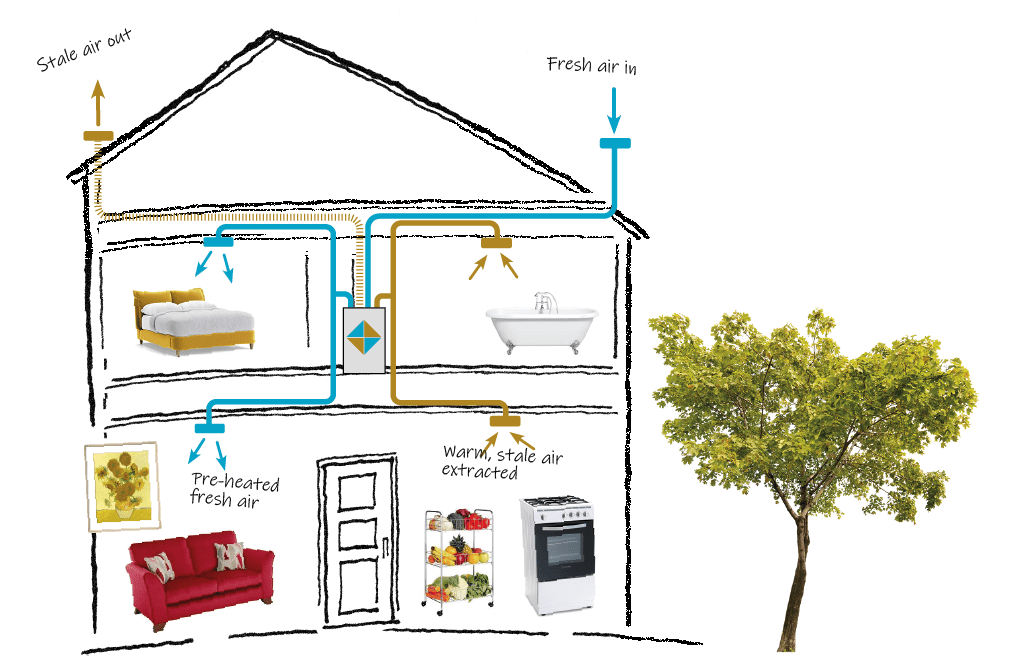
Heat Recovery Ventilators (HRVs) and Energy Recovery Ventilators (ERVs)

These systems provide a balance between ventilation and energy efficiency. They exchange stale indoor air with fresh outdoor air while recovering heat (and in the case of ERVs, moisture) from the outgoing air. This minimizes energy loss while ensuring proper ventilation.

Whole-House Ventilation

Centralized systems distribute fresh air evenly throughout the home, ensuring consistent indoor air quality. For homeowners and property developers aiming for high-performance housing, integrating such systems can be a major selling point.

For further details on mechanical options, resources such as the UK’s National House Building Council (NHBC) provide useful technical guidelines.

Practical Steps for Homeowners and Property Managers

Improving ventilation does not always require large investments. Below are some practical steps that can be applied across different types of properties.

  1. Regularly open windows: Even short periods of window ventilation can significantly reduce indoor pollutants.
  2. Maintain air vents and ducts: Blocked vents or dirty filters reduce efficiency. Regular cleaning is essential.
  3. Use trickle vents: Many modern windows include trickle vents that allow small amounts of air to flow continuously.
  4. Check for mold-prone areas: Basements, bathrooms, and kitchens should be closely monitored for signs of dampness.
  5. Invest in dehumidifiers where needed: These devices reduce moisture levels, particularly in properties prone to condensation.
  6. Consider long-term upgrades: For property investors, upgrading to mechanical ventilation systems can increase both comfort and marketability.

Ventilation in Different Property Types

Apartments and Flats

Ventilation can be challenging in multi-unit buildings where windows may not provide sufficient airflow. In these cases, mechanical ventilation or central systems are often necessary.

Older Homes

Historic properties often lack modern ventilation solutions and may suffer from drafts or dampness. Care must be taken to balance energy efficiency upgrades (like insulation) with maintaining adequate airflow.

New Builds

Newly constructed homes are typically airtight to maximize energy efficiency. While beneficial for heating and cooling costs, this makes mechanical ventilation critical to prevent stale air buildup.

Expert Insights and Statistics

  • A study by the UK’s Building Research Establishment (BRE) found that inadequate ventilation contributes to thousands of excess deaths annually due to poor air quality.
  • Properties with controlled ventilation systems can reduce indoor pollutants by up to 50%, according to the European Environment Agency (EEA).
  • The UK Health Security Agency highlights that ventilation is not only essential for general health but also reduces the spread of airborne infections, a concern brought into focus during the COVID-19 pandemic.

These insights underline that ventilation is not just a comfort feature but a serious health and safety measure.

Conclusion

Maximizing ventilation in homes is a critical step toward ensuring healthier living environments, protecting property value, and meeting modern sustainability standards. From simple natural solutions like cross ventilation to advanced mechanical systems that balance energy use, property owners and managers have a wide range of options to improve air quality indoors.

For those involved in property buying and selling, recognizing the importance of ventilation can be a strong differentiator. Homes with well-planned ventilation are not only healthier but also more appealing to environmentally conscious buyers and tenants. By prioritizing good airflow, homeowners and investors alike can create spaces that are safe, comfortable, and resilient for the future.

Why Every Home Needs a Fire Evacuation Ladder: A Complete Guide to Fire Safety

Most people think that having smoke detectors or a fire extinguisher in their homes would be important when it comes to the safety of their homes. Another valuable equipment that individuals forget about is the fire evacuation ladder. You may have one to save your life in case of an emergency and you live in a house or apartment that has more than one floor.

This guide will discuss why all homeowners need to purchase a fire escape ladder, what the various types of fire escape ladders are available, and the most critical considerations to make before purchasing one.

What Is a Fire Evacuation Ladder?

A fire evacuation ladder is a special escape device that will allow individuals to safely leave the building on upper floors when the staircases are obstructed by smoke or flames. These steps take an individual to the ground to a window or balcony, so it is convenient and safe to exit.

Time is very essential during a fire. Stairs can become unsafe or difficult to access in a few minutes. A powerful ladder will provide a second exit to the families in an efficient and fast manner.

Why You Should Buy a Fire Evacuation Ladder

1. Essential for Multi-Story Homes

A house more than one-story high requires a fire escape ladder. Fire is fast spreading and in a few seconds smoke can fill stairwells. An emergency escape ladder that goes out of the window will provide your loved ones with a safe escape route.

2. Saves Precious Time in Emergencies

Every second is important when it comes to fire. This is not always the time to wait until the firefighters come especially when the flames are spreading at a high rate. Fire evacuation ladder will enable one to leave the building much faster. There is no need to be trapped, because you can be safe within several seconds.

3. Peace of Mind for Your Family

You should not only be able to have the right tools, you must feel secure. Knowing that you have a fire escape ladder prepared can make you calm and take swift action in the emergency. It is a way of achieving safety and peace of mind.

Types of Fire Escape Ladders

It’s important to know what your options are when you buy a fire evacuation ladder:

  • Portable Ladders: Portable ladders are lightweight and foldable and can be placed under a bed or in a closet. They can be attached to a railing or the ledge of a window to escape fast in the event of an emergency. They suit families who desire something that is not complicated to operate and can be utilized in different ways since they are small.
  • Permanent Ladders: These are embedded on the exterior of your house and provide you with an exit whenever you need it. They are ideal in houses where speed and dependability matter since they are constructed of materials such as steel or aluminum.

The advantages of each option are that permanent ladders are stable and are always available whereas portable ladders can be stored.

What to Consider Before Buying

When picking a fire escape ladder, think about these things:

  • Fit for Your Home: To make sure that it can fit in your house, the number of the floors, the size of the window and the distance to the floor needs to be taken into consideration.
  • Length and Capacity: Select a ladder that is sturdy enough to support more than one human being and long enough to be able to reach the ground safely.
  • Easy to Use: You cannot afford to waste time in an emergency going through the intricate installation. Choose a safe ladder that all people, including kids and older adults, can use, and that opens fast.
  • Durability: Select the materials that will not rust or break down with time and be able to resist the weather.

Product Spotlight: Emergency Escape Ladder 3 Storey (25ft / 8m) with Carabiners

The Emergency Escape Ladder 3 Storey 25ft (8m) with Carbines is a great choice if you want something that will work. This ladder is safe, strong, and easy to use. It can be used in homes with up to three stories.

Important Features:

  • Compact & Portable: You can fold it up to fit small space.
  • Strong Construction: It is attached with strong steel carbines that ensure its strong attachment.
  • Lightweight but Robust: It holds heavy weights and therefore can be used by many users.
  • Weatherproof & Reusable: Coated to prevent rust and wear to ensure long-term safety.

Cost: $122.88

Availability: You can order now on ISOP’s website and get free shipping in 3 to 7 days.

Why Choose This Ladder?

When you buy something of a brand such as ISOP, you are certain that you are purchasing a safe product. The rungs are non-slippery, there are stabilizers to ensure even greater safety, and the design is user-friendly to all those in the house. It is strong, reliable, and secure, which all homeowners require in a fire escape device.

Don’t Wait Until It’s Too Late

Fire is something people do not anticipate but preparedness will save lives. Fire evacuation ladder is a valuable component of fire safety plan in your home, as well as smoke detectors and fire extinguisher. It ensures that you are able to escape within a short time when every second matters.

So, don’t wait. Buy a fire escape ladder today to keep your family safe and take an important step toward being completely safe from fire.

Easy Exit Strategies for Tired Property Owners

Feeling burned out by the complexities and stresses of selling your property? You’re not alone. Traditional home sales—featuring endless staging, renovations, showings, and waiting—can feel overwhelming, especially when you’re ready to move on with your life. Fortunately, there are easy exit strategies designed to minimize hassle, reduce time and expense, and help you regain peace of mind.

Here are some of the most effective routes:

1. Sell As-Is for a Cash Offer

One of the quickest, most straightforward exit strategies is to sell your home “as-is” for cash. This means you bypass costly repairs, staging, and the conventional listing process. Cash buyers can often close in as little as one to two weeks and handle all legwork themselves.

While convenience is the top benefit, such offers are typically 10–30% below market value. Still, for many stressed or time-pressed sellers, the speed and certainty outweigh the cost—particularly for homes in need of repair or when financing isn’t an option.

2. Request Multiple Cash Offers or Work with Investors

Rather than settling for the first offer, you can request multiple cash offers from different buyers, including direct investors. This gives you the power to compare and negotiate better terms across the board.

Ask for written offers from several reputable sources. Compare not just price, but also closing timeline, contingencies, and any included fees. A savvy approach here might still secure a fast cash sale while maximizing your return.

3. Do It Yourself: For Sale By Owner (FSBO)

If you’re willing to invest more time but save on commissions, consider selling your home yourself: For Sale By Owner (FSBO). This method eliminates agent fees—typically 5–6%—potentially raising your bottom line.

However, FSBO comes with trade-offs: you’ll manage pricing, listings, showings, and negotiation on your own. This approach works best for sellers comfortable with marketing and negotiation.

4. Partner with an Experienced Local Agent

When you value guidance but want efficiency, a trusted real estate agent can offer both. A good agent will:

  • Conduct a pricing analysis
  • Stage and photograph your home to attract buyers
  • Market strategically to minimize listing time
  • Navigate negotiations and paperwork

This middle-road strategy offers more structure than FSBO and potentially better pricing than cash-only deals—though commissions apply.

5. Wholesaling Your Home

Wholesaling is an efficient—and often underused—strategy where you contract the property to an investor and assign or sell that contract to another buyer without investing in repairs yourself. You’re essentially earning a fee for passing on the deal. This is a rapid approach, though suitable buyers and legal frameworks vary by location.

6. Additional Exit Options

Even beyond quick sales, other strategies can fit your needs:

  • Seller financing: You act as the lender, allowing buyers to pay you over time, often with a balloon payment upfront.
  • Lease-option or rent-to-own: Let someone live in your property with the option to buy later—this generates income while still planning your exit.
  • 1031 exchange: If you own multiple or investment properties, you can defer capital gains by exchanging one property for another.
  • Passing to heirs or charitable donation: In certain circumstances—especially if profits aren’t the main goal—transferring ownership to a family member or charity may be viable.

Anchored Resource

For a deeper dive into hassle-free, streamlined selling options, check out What Makes Selling Your Home Easy?—a helpful guide that lays out the benefits of quick, convenient sales, particularly in minimizing stress and costs.

7. Stay Alert: Pitfalls to Avoid

If opting for cash buyers or quick-sale companies, exercise caution. The sector is not heavily regulated, and offers may be significantly below market value—typically 75–85% of the true price. Experts recommend:

  • Obtaining at least three valuations from different agents to benchmark offers
  • Verifying the buyer’s credentials and legal standing
  • Negotiating terms, not accepting the first “lowball” offer
  • Retaining a conveyancer or legal advisor to protect your interests

Conclusion

For tired property owners craving a swift, stress-free exit, you have options. Cash “as-is” sales, FSBO, and agent-led traditional sales offer different balances of speed, profit, and effort. Creative alternatives like wholesaling, seller financing, or lease-options may fit if you’re flexible on cash upfront. Whichever path you choose, do the due diligence—get multiple opinions, verify offers, and ensure legal safety.

Real Estate Photography: 7 Mistakes That Scare Off Potential Buyers

In today’s digital-first real estate market, the quality of your property photos can determine whether a potential buyer clicks on your listing—or scrolls right past it. With more than 90% of buyers starting their search online, visuals become the first filter in their decision-making process. Listings with professional, eye-catching photography receive significantly more views, engagement, and inquiries compared to those with poor images.

What many sellers underestimate is the emotional response that visuals trigger. A warm, well-lit living room or a tidy, sunlit kitchen creates an inviting atmosphere that helps a buyer imagine themselves living there. On the other hand, photos with poor lighting, clutter, or an awkward composition can generate feelings of discomfort or mistrust—even if the property itself has great potential.

Mistake #1: Poor Lighting

Lighting is the backbone of effective real estate photography. Yet it’s one of the most commonly overlooked elements. Dimly lit rooms can make a property feel unwelcoming, cramped, or even neglected. However, harsh sunlight, or visible shadows can distort reality and obscure architectural details.

The solution? Natural light is your best ally. Schedule photo sessions during the daytime, preferably in the morning or late afternoon when the sun is softer. Turn on all the lights to reduce dark corners and ensure a consistent brightness across rooms. Avoid relying solely on smartphone flash, which often flattens textures and distorts colors.

Mistake #2: Low-Quality Equipment or Smartphone Photos

While smartphones have advanced significantly in recent years, they still can’t match the precision and depth offered by professional DSLR or mirrorless cameras. Listings filled with grainy, blurry, or oddly cropped photos often signal a lack of care and professionalism—especially when buyers compare your property with others shot professionally.

Using high-resolution images with the correct aspect ratio allows viewers to zoom in and appreciate details like flooring, fixtures, or finishes. Professional photographers also know how to use wide-angle lenses effectively—expanding a room’s appearance without distorting its proportions. This subtle difference can mean everything when trying to showcase space and flow in small apartments or unique layouts.

Mistake #3: Cluttered or Dirty Interiors

Even the most spacious and well-renovated home can lose its appeal if it’s presented in a cluttered or untidy state. Buyers don’t just look at a space—they visualize living in it. Piles of clothes, personal belongings, unmade beds, or dirty dishes break that illusion instantly. A messy environment distracts from the actual features of the home and makes rooms feel smaller and less functional.

Before taking any photos, prepare the property as if for an important guest: clean thoroughly, remove personal items, and stage rooms with minimal but tasteful decor. Think hotel standards. Neutrality allows buyers to mentally “move in” and picture their own style in the space. A few well-placed plants or accessories can bring life to a room without overwhelming it.

Mistake #4: Crooked or Unbalanced Shots

Photos taken at odd angles or with skewed horizons may seem minor, but they can have a surprising psychological effect. A crooked photo unconsciously signals imbalance or carelessness, creating unease for the viewer. It also misrepresents the space, often making rooms look distorted or confusing in layout.

Always keep the camera level, especially when photographing walls, windows, and floors. Tripods are an essential tool for maintaining consistency and avoiding shaky hands or tilted shots. If you’re unsure, use the built-in gridlines on your camera or editing software to straighten the image. A clean, aligned photo looks more polished and professional, instantly elevating the listing’s quality.

Mistake #5: Ignoring Key Selling Points

Surprisingly often, listings fail to showcase the home’s best features—be it a fireplace, large balcony, custom kitchen, or scenic view. Buyers want to see the details that make the property stand out, and skipping them in the photos can result in missed opportunities or reduced perceived value.

Before scheduling the shoot, create a shot list based on the property’s strongest assets. Walk through the home with a buyer’s mindset: what would excite you? Highlight these features clearly and without distraction. Bonus tip: include “lifestyle shots” that suggest how the space is used—like a breakfast nook set for coffee or a patio ready for relaxation.

Mistake #6: Overediting or Using Fake Filters

While editing can enhance images, overediting can backfire. Oversaturated colors, artificial lighting effects, or heavy filters might catch attention—but not for the right reasons. Potential buyers may feel misled if the property looks dramatically different in person. This leads to disappointment during viewings and, in some cases, withdrawal from the deal altogether.

Aim for realistic, clean edits that improve clarity and lighting without altering the character of the space. Adjust brightness, contrast, and color balance if necessary—but avoid turning a beige wall electric blue or replacing skies with surreal sunsets. Authenticity builds trust. Buyers want to feel confident that what they see online is what they’ll see at the showing.

See also: https://skup.io/

Mistake #7: Too Few or Too Many Photos

Uploading only a handful of photos—especially of low quality—raises red flags. It may suggest the seller is hiding something or that the home lacks features worth showcasing. On the flip side, listings flooded with 50+ images from repetitive angles can overwhelm viewers and dilute impact.

The sweet spot? Aim for 15–25 well-composed, high-quality images that cover the essentials: exterior (front and back), all main rooms, bathrooms, kitchen, hallway, and any standout features like terraces or storage. Sequence the images in a logical flow to tell a visual story of the property. This helps potential buyers “walk through” the home online, creating a smoother and more compelling experience.

Conclusion: Quality Photography Sells Homes Faster

In real estate, photography isn’t just about aesthetics—it’s a key sales tool. Avoiding common mistakes like poor lighting, messy interiors, or overediting can significantly boost interest and trust in your listing. Buyers today are discerning and often make decisions within seconds of seeing the first photo. Make those seconds count.

If you’re preparing to list a property, consider investing in professional photography or taking the time to stage and shoot your space with care. A great first impression can translate into faster sales, higher offers, and a smoother transaction overall.

Tempered Glass Supplier: Choosing a Partner That Understands Safety, Design, and Deadlines

Glass has never been just glass. In any serious project – whether architectural, interior, commercial, or industrial – the choice of material defines not only the final aesthetic but the functionality, safety, and compliance of the entire structure. Working with the right JTG tempered glass manufacturer isn’t just a supply-chain decision. It’s a critical partnership that impacts every layer of execution.

More Than Strength – Why Tempered Glass Matters

Tempered glass isn’t about looking tough. It’s about surviving stress, sudden temperature changes, and the kind of real-world impacts that ordinary float glass just can’t handle. Whether it’s a storefront, a railing, a door, or a divider, tempered glass earns its place because of what it does under pressure – and more importantly, what it doesn’t do when it breaks.

The safety profile is unmatched. It shatters into granular chunks rather than sharp shards. That single property alone makes it the material of choice across schools, hospitals, retail environments, and public infrastructure.

How Quality Begins Before the Furnace

Most people associate the tempering process with heat – but that’s only part of the story. Before a single sheet enters the furnace, a dozen quiet decisions have already been made: glass quality, thickness uniformity, edge grinding, surface cleaning.

Any weak point, imperfection, or inconsistency at this early stage compromises the entire final product. A professional supplier doesn’t just start at the oven. They start with sourcing. With preparation. With control.

That’s the difference between a panel that performs and one that fails under minimal stress.

Not All Tempering Is Created Equal

Tempering glass might sound standardized – but the quality range is wider than most clients realize. Improper timing, poor airflow in the quench phase, or overexposure to heat can result in optical distortion, internal stress imbalances, or weakened corners.

Working with an experienced tempered glass supplier means every sheet is monitored, every batch checked, and every defect caught before it reaches your site.

The best tempering lines are fully digital, calibrated frequently, and staffed by technicians who understand the nuance – not just the buttons.

Sizing, Cutting, and Post-Processing Precision

Once a sheet is tempered, it can’t be altered. No drilling. No trimming. No last-minute tweaks. That means the cutting and shaping before tempering has to be exact.

A quality supplier doesn’t treat cutting like a pre-task. They treat it like a core service. The machines are CNC-calibrated. The tolerances are tight. The edges are polished or arrised as needed – not because it’s required, but because it’s the right thing to do.

When panels show up onsite, they need to fit perfectly. There’s no room for “close enough.”

Custom Shapes Without Compromise

Not every project wants a standard rectangle. Today’s architecture asks for curves, angles, notches, even embedded hardware cutouts. And meeting those specs without compromising tempering quality is where many suppliers falter.

A partner like JTG tempered glass manufacturer can handle irregular requests without delays or quality drops. That flexibility changes the game for custom interiors, feature walls, and modern facades that push beyond symmetry.

Transparency That Goes Beyond the Glass

No one wants to chase updates, ask twice for quotes, or beg for shipping timelines. The most underrated feature in any supplier relationship is clear communication.

The right glass partner doesn’t just send updates – they anticipate your questions. They make lead times clear. They flag supply chain issues before they impact your schedule. They know that in construction, surprises cost money.

And when something does go sideways? They call first. They offer options. They own it.

Certifications That Mean Something

In regulated industries, glass has to meet very specific standards – ANSI Z97.1, CPSC 16 CFR 1201, and beyond. It’s not just about the stamp. It’s about passing the real tests: impact resistance, thermal shock, visual clarity, surface stress.

The best suppliers don’t just meet the bare minimum. They test regularly. They keep logs. They’re ready for audits. And they view certification not as paperwork, but as proof of process discipline.

Logistics That Understand Fragility

Glass doesn’t forgive sloppy handling. A chipped corner, a rough crate, or even poor stacking can turn a flawless panel into site waste.

Good suppliers invest in transport systems that protect – foam-lined racks, reinforced crates, detailed labeling. They coordinate with project timelines, delivering in batches that match install flow rather than dumping everything at once.

And if you ever need a replacement – fast – they’ve got a system in place. Because they know real-world installs don’t always go perfectly.

Supporting Designers, Fabricators, and Contractors Equally

Some glass providers speak “contractor.” Some speak “designer.” Very few speak both – plus “architect,” “engineer,” and “procurement officer.”

The right partner doesn’t just fill orders. They support concepts. They help troubleshoot detailing. They flag edge cases in drawings. And they understand that sometimes the person ordering the glass isn’t the one installing it.

Their team is trained not just in specs – but in listening.

Ready for the Tough Stuff – Literally and Logistically

Whether it’s 12-foot tall panels for a flagship retail location or thousands of small units for a university project, scale tests more than just inventory. It tests coordination, consistency, and stamina.

The best suppliers have already passed those tests. They’ve handled multi-phase deliveries. They’ve staged complex shipments by floor or room. They’ve produced high-clarity low-iron panels alongside standard runs without delay.

And they’ve done it quietly – because their process is built for pressure.

Long-Term Projects Need Long-Term Thinking

If your project lasts more than a few months, continuity matters. Will your glass supplier still have the same product line in phase two? Will the tint match in six months? Will the records be saved? Will your point of contact still know who you are?

The right supplier thinks long-term. They archive data. They back up specs. They build client files. That consistency means you’re not starting from scratch every time a new PO hits.

More Than a Manufacturer – A Resource

The best tempered glass supplier isn’t just making panels. They’re making your life easier. They answer design questions. They offer sample kits. They advise on code. They help you build – better, faster, and with fewer surprises.

And they care about what happens after the invoice – about how the install went, how the space turned out, and what could be improved next time.

That mindset turns a transaction into trust.

If that’s the kind of relationship your team values, working with a name like JTG tempered glass manufacturer isn’t just a smart move – it’s the foundation for every project after this one.

What to Know Before Buying Property with Friends or Family

Pooling funds with friends or relatives to buy a home can make property ownership feel more achievable. For many people, it’s a chance to invest in housing that would otherwise be out of reach alone. It sounds simple enough: share the deposit, split the bills, and build equity together.

However, any shared financial arrangement needs clear thinking before signing contracts or transferring funds. There’s a lot to consider beyond just location and budget. This guide breaks down the key points every group should address before buying a home together, helping you avoid problems later on.

Who’s Paying for What, and How Will It Be Managed?

Start with money. Every detail matters. Buyers need to be upfront about how much each person is contributing to the initial purchase and the ongoing costs.

Decide early who’s paying the deposit and whether ownership shares will match that input. Talk through how the mortgage will be split if someone earns more and wants to pay a larger portion, which needs to be written down somewhere official. It’s easy to assume things will stay friendly, but misunderstandings around money are among the most common causes of property disputes.

Set expectations for other costs, too. Who will pay for maintenance, repairs, or council tax? How will household bills be divided? A simple spreadsheet can help track these agreements. The more specific these arrangements are, the less room for miscommunication.

Is There a Legal Agreement in Place?

Verbal promises don’t hold much weight when disagreements occur. Anyone entering into shared property ownership should establish formal legal agreements. This doesn’t need to be a complicated process, but it should be done with the help of a solicitor.

A deed of trust is a good place to start. It can confirm how much each person contributes, who owns what share of the property, and what happens if someone wants to sell. It can also outline how profits from a future sale will be divided. Without this document, disputes are harder to resolve and more expensive if they escalate. Legal protection is as important as financial planning, as even the strongest friendships can strain under financial pressure. A clear, written agreement gives everyone peace of mind.

What Happens If Someone’s Situation Changes?

Nobody can guarantee where they’ll be five years from now. People change jobs, move cities, get married or face unexpected challenges. Shared ownership must account for those shifts. It’s not pessimism, it’s preparation.

Build flexibility into your agreement. Discuss how someone could exit the arrangement, how their share would be valued, and whether the others would have the right to buy them out before it goes on the open market. These details can save a lot of stress later.

If a disagreement reaches a point where an agreement cannot be reached privately, it’s wise to seek professional support. Sometimes, legal advice is the best option to resolve disputes involving land or property. Handling conflict early can often prevent it from dragging on or damaging relationships permanently.

Will This Affect Your Relationship Long-Term?

It’s one thing to split rent. Owning something together brings longer-term responsibilities and decisions. Renovations, rentals, and resale plans all need agreement, and not everyone approaches those conversations the same way.

It helps to speak openly about future goals. Are you all planning to live in the property long-term, or is this a short-term investment? What happens if someone wants to move out and rent their share? Will there be ground rules for guests, subletting, or decorating? These choices may seem small, but they habitually grow into bigger issues over time.

Managing expectations early can make a difference. It reduces the risk of emotional fallout or resentment, which can lead to long-standing property disputes if decisions feel one-sided or unfair. Regular communication helps keep things smooth.

Do You Understand the Legal Setup?

Buying together gives you several ownership structures to choose from, and these choices have legal consequences. Two standard options are joint tenants and tenants in common. They sound similar but function quite differently.

With joint tenants, all parties own the property equally. If one person passes away, their share automatically goes to the others. There’s no way to leave it to someone else in a will. Tenants in common allow different ownership shares and more flexibility. For example, one person could own 40 percent while another owns 60. Each party can pass on their share however they wish.

Speak to a solicitor before making this decision. It’s important to pick the structure that suits your situation. Changing it later isn’t always straightforward, especially if circumstances shift or relationships change.

Ready to Buy Together? Make Sure You’ve Covered These Points

Property is a big commitment. When it involves friends or family, the stakes are often higher financially and emotionally. Taking the time to get everything clear at the start makes a difference.

Have those hard conversations about money. Put agreements in writing. Plan for the future, even if it feels far away. Get legal advice early instead of waiting for problems to appear. These steps protect everyone involved and support healthier decisions over time.

Owning a home with others can work well with the right preparation. If you’re considering buying together, take a practical approach; it can help keep relationships strong and investments secure.