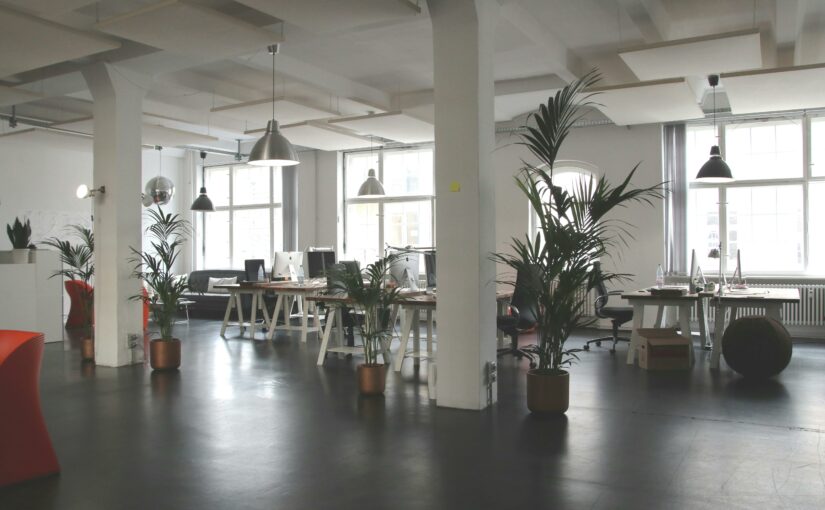
Modern office furniture Dallas is more than just a collection of desks, chairs, and cabinets. It is a reflection of a company’s identity, a contributor to workplace productivity, and a long-term investment in functionality and aesthetics. One of the most important aspects of choosing office furniture is understanding the materials used in its construction. Each material offers distinct advantages and limitations, influencing durability, appearance, cost, and maintenance requirements. From traditional wood to modern laminates and metals, the variety of materials available today allows businesses to tailor their office environments to meet specific needs and preferences.
The Timeless Appeal of Wood
Wood has long been a staple in office furniture design, prized for its natural beauty, strength, and versatility. Solid wood furniture exudes a sense of tradition and craftsmanship, often associated with executive offices and formal meeting spaces. The rich grains and warm tones of hardwoods like oak, cherry, and walnut add a touch of elegance and permanence to any setting.
Beyond aesthetics, wood offers durability and longevity. Properly maintained, wooden furniture can last for decades, developing a patina that enhances its character over time. However, wood is also susceptible to scratches, dents, and moisture damage. It requires regular care, including polishing and protection from direct sunlight and humidity. Despite these considerations, wood remains a preferred choice for those seeking a classic and enduring look.
The Strength and Modernity of Metal
Metal furniture brings a sleek, industrial edge to office design. Often used in frames, legs, and structural components, metals like steel and aluminum provide exceptional strength and stability. Metal is particularly valued in environments that demand durability and resistance to wear, such as high-traffic areas, shared workspaces, and storage solutions.
Powder-coated finishes and stainless steel surfaces offer corrosion resistance and easy maintenance. Metal furniture is generally lightweight, making it easier to move and reconfigure as needed. Its minimalist aesthetic complements contemporary office styles, especially when paired with glass or laminate surfaces. While metal may lack the warmth of wood, its practicality and modern appeal make it a popular choice for functional and flexible office layouts.
The Versatility of Laminate
Laminate is a synthetic material made by fusing layers of paper or fabric with resin, often bonded to a core of particleboard or MDF. It is one of the most widely used materials in office furniture due to its affordability, versatility, and ease of maintenance. Laminate surfaces can mimic the appearance of wood, stone, or other textures, offering a wide range of design options without the cost or upkeep of natural materials.
Laminate furniture is resistant to scratches, stains, and moisture, making it ideal for everyday use. It is easy to clean and does not require special treatments or polishes. However, it may not offer the same level of durability as solid wood or metal, and edges can chip or peel over time if not properly maintained. Despite these limitations, laminate remains a practical solution for businesses seeking cost-effective and stylish furnishings.
The Comfort and Style of Upholstery
Upholstered furniture adds comfort and softness to office environments, particularly in seating areas, lounges, and collaborative spaces. Materials used in upholstery range from natural fabrics like cotton and wool to synthetic options such as polyester and vinyl. Each type of fabric offers different levels of durability, stain resistance, and aesthetic appeal.
Leather, whether genuine or faux, is a popular choice for executive chairs and upscale meeting rooms. It conveys sophistication and is relatively easy to clean, though it can be sensitive to temperature and humidity. Fabric upholstery provides a wider range of colors and patterns, allowing for greater customization. Maintenance varies depending on the material, with some requiring professional cleaning and others suitable for spot treatment.
The Practicality of Glass
Glass is often used in office furniture to create a sense of openness and light. Glass tabletops, partitions, and shelving units contribute to a modern and airy aesthetic. Tempered glass, which is heat-treated for strength, is commonly used to ensure safety and durability.
While glass is easy to clean and resistant to most stains, it can show fingerprints and smudges easily. It also requires careful handling to avoid chips and cracks. Despite these challenges, glass remains a favored material for creating sleek, contemporary workspaces that emphasize transparency and collaboration.
The Eco-Friendly Edge of Recycled and Sustainable Materials
As environmental awareness grows, many businesses are turning to furniture made from recycled or sustainably sourced materials. Bamboo, reclaimed wood, and recycled metal are increasingly used in office furniture design. These materials offer unique textures and stories, contributing to a company’s sustainability goals and brand image.
Furniture made from eco-friendly materials often meets certifications for environmental standards, such as FSC or GREENGUARD. While the cost may be higher, the long-term benefits include reduced environmental impact and alignment with corporate social responsibility initiatives.
Choosing the Right Material for Your Office
Selecting the appropriate material for office furniture depends on several factors, including budget, design preferences, usage patterns, and maintenance capabilities. A well-balanced office may incorporate multiple materials to achieve both functionality and style. For example, a wooden desk paired with a metal frame and laminate storage units can offer durability, elegance, and practicality in one cohesive setup.
Understanding the characteristics of each material empowers businesses to make informed decisions that enhance the workplace experience. Whether aiming for a traditional, modern, or eco-conscious look, the right furniture materials can elevate the office environment and support long-term success. Discover innovative workspace solutions tailored to your business needs at corporateofficeint.com—where design meets functionality.