
How Smart Design Choices Make Your Home Feel Bigger, Brighter, and More Valuable

You can make a home feel calmer, more useful, and more welcoming without major building work. Small, focused changes in lighting, texture, and layout can shift how each room feels day to day and how it looks to buyers in photos and in person. When you treat each space with a bit of intention, even a compact home starts to feel like somewhere people can move into and enjoy right away.

Start With The Spaces You See First

Begin with the areas you walk through and photograph most. That is usually the entry, living room, and any open area that links the kitchen and dining space. If these spots look tidy and planned, the whole home comes across as more organised and better cared for.

Look at the basics before you think about smaller decor pieces. Check wall colour, lighting, and storage. A light, neutral wall with one or two strong focal points is easier to live with and helps the room feel pulled together. For example, a soft off-white paired with warm wood and a single standout light fixture can move a room from “just furnished” to “properly designed.”

Your exterior also plays a bigger role than many people realise. A small porch, balcony, or front step with the best outdoor light you can fit in your budget will improve security and set the mood before anyone walks inside. This is especially useful for evening viewings and dusk listing photos, where good lighting can make a modest frontage look far more inviting.

Use Lighting To Shape How Rooms Feel

Good lighting quietly guides how you use a room. Instead of relying on a single ceiling fixture, aim for three layers of light. Have one source for general brightness, one for tasks, and one just to make the space feel warm and relaxed.

In the living room, a ceiling light, a floor lamp by the sofa, and a table lamp near a reading chair give you options for different times of day. In the kitchen, bright task lights over worktops paired with softer lighting over the table help the room feel practical when you are cooking and comfortable once you sit down to eat. In bedrooms, gentle overhead light plus focused reading lights on each side of the bed keep the room cosy and practical without glare.

Outside, lighting affects both safety and atmosphere. Wall lights by the front door, low-level path lights, or step lights make it easier to move around after dark and help the property feel cared for. Simple, durable fittings in finishes like black, bronze, or steel tend to age well and suit most home styles, which saves you effort and money over time.

Add Texture And Detail With Designer Wall Paneling

If your walls still feel flat even after fresh paint, you may need more texture rather than more colour. Designer wall paneling is a straightforward way to add depth without changing the layout or filling the room with extra furniture. Slim vertical slats can make low ceilings feel taller, while classic square or shaker-style panels can bring a calm, traditional look to newer builds.

Paneling works well as a backdrop. It supports the rest of the room instead of fighting with it. In a small hallway, around a dining nook, or as a feature behind a bed, it can make the space feel more intentional without using any floor area. In open plan rooms, one paneled wall can help mark out a sitting area or dining zone so the space reads clearly both in person and in photos.

If you rent and cannot make many permanent changes, you still have options. Lightweight, removable panels or slatted boards fixed to a simple frame can add texture without heavy building work. You can also use paneling on movable elements like a freestanding headboard, wall, or room divider, which you can take with you when you move. Paired with neutral paint and simple furniture, this kind of texture feels current but not overly trendy.

Make Small Spaces Work Harder

Smaller rooms feel better when every item earns its place. Try to keep surfaces as clear as possible and choose furniture that does more than one job. A sofa with hidden storage, a bed with drawers, or a coffee table with internal storage can help keep clutter out of sight. With fewer things on show, the room feels larger and more restful.

A few simple ideas help a lot:

  • Pick furniture with legs so you can see more of the floor, and the room feels lighter.
  • Use mirrors opposite windows to bounce natural light around and make narrow spaces feel wider.
  • Keep main walkways clear so you can move through the room without dodging furniture.

Plants are useful in compact homes, too. A tall plant in a bare corner or a line of smaller plants on a windowsill draws the eye up and softens hard edges. Even if you only have a balcony or no outdoor space at all, a few easy-care plants can make the home feel fresher and more connected to nature.

Create A Home That Feels Move-In Ready

People looking to buy or rent often prefer homes that feel finished from day one, even when the floor area is modest. This does not mean everything must be brand new. It means each area should have a clear purpose, look tidy, and feel like part of the same story. Neutral walls, similar flooring where possible, and a few repeating materials like black metal and warm wood can link rooms together in a quiet way.

When you plan updates, think first about what will improve your own daily life. A well-lit porch you are happy to come home to, a feature wall that makes your living room feel complete, or a bedroom that finally works because you added smart storage will all pay off now. These same changes also tend to appeal to buyers and renters later, because they remove small annoyances and make the home easier to live in from day one.

By focusing on lighting, texture, and hard-working furniture instead of constant new decor, you will shape a home that looks good in photos and also feels good to live in. That balance is what makes a space feel bigger, brighter, and worth holding on to.

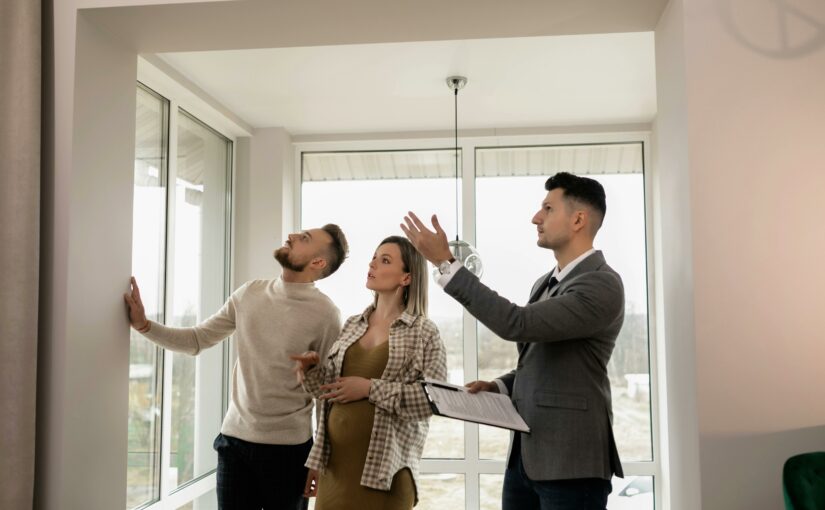
How The Latest Interior Design Trends Are Impacting Homebuyer Decisions In Today’s Market

There’s no denying how today’s housing market entails impulsive, emotional buyers more than ever before.

And although traditional factors like location, price, and square footage will always be essential homebuyer factors, we’re now seeing interior designs be an incredibly powerful influence in terms of how potential buyers perceive value at listings.

In a market that’s being reshaped by remote work, online listings, and incredibly expensive renovation costs, home design trends are now playing a more meaningful role in making properties feel move-in ready—as opposed to a future project!

First Impressions Of Listings Are Almost Always Formed Online

The vast majority of homebuyers are forming their initial opinions well before stepping inside a property.

This is exactly why virtual tours and listing photos have become integral parts of the showing process, and the most design-forward interiors are proving to consistently perform well online. Whether it’s cohesive color palettes, clean lines, or all sorts of modern finishes, interior designs are undoubtedly helping homes stand out in oversaturated digital marketplaces.

On the other hand, homes that feel overly personalized or dated often struggle to generate online interest—and this is even the case for relatively high-quality properties. This is exactly why agents and sellers are now paying very close attention to the latest design trends to help guarantee that photographs look great and appeal to a broad demographic.

There’s Now A New Meaning For “Move-In Ready”

Longer renovation timelines and rising construction costs are also shifting buyer preferences on a large scale.

Today’s homebuyers are far less willing to tackle significant design updates after closing on a new home, which subsequently makes move-in ready homes a lot more desirable in today’s market. The latest interior design trends that emphasize things like functionality, simplicity, and neutral aesthetics are, in turn, helping buyers envision themselves living in a listing—without requiring any immediate changes.

Warm neutrals, open layouts, and all sorts of natural materials are especially useful due to providing a great balance of flexibility and style. These types of design elements subtly signal that a property isn’t over-trendy but still updated, which is a major distinction that a lot of buyers tend to make regarding longevity.

Utilizing Value-Enhancing Design Tools Like Area Rugs

Another subtle yet influential design element in home presentation is area rugs. Even if a listing doesn’t currently have many area rugs, online outlets like Rug Source’s vast selection of high-quality area rugshave made it easier than ever to temporarily obtain great rugs for listing pictures and showings.

And the results truly speak for themselves in terms of great area rugs defining open-concept spaces where a lot of potential buyers struggle to understand a room’s full functionality. Properly chosen rugs also visually anchor dining spaces, living rooms, and bedrooms, which goes a long way to help listings feel more intentional and larger.

And from a potential buyer’s perspective, area rugs undoubtedly contribute to a home’s overall comfort and warmth. Soft, neutral rugs help buyers imagine their own furniture setups in a space, whereas bold rug designs often distract people away from their imaginations.

For today’s sellers, area rugs are an easy way to elevate interiors without needing to make any substantial changes!

Home Design Preferences Are Being Driven By Changing Lifestyle Trends

Hybrid and remote work have quickly changed what potential homebuyers look for in a new home.

This is why many of today’s design trends are prioritizing quiet zones, multi-functional spaces, and all sorts of non-wall visual separations. There are also many thoughtful design choices like subtle textures, layered lighting, and defined zones that help buyers see how a new home would support their modern lifestyles.

Wellness-related home designs are also beginning to gain a lot of traction in today’s market. These designs include things like calm color schemes, natural light, and uncluttered layouts that strongly appeal to buyers who prioritize comfort and balance over basic aesthetic impact.

Neutral Home Décor Doesn’t Equal Boring

Another influential home design shift is a noticeable straying away from stark minimalism toward more inviting, warmer interiors. Taupes, soft whites, and muted earthy tones are now dominating a lot of the latest industry trends due to their photographing incredibly well and appealing to a wide audience of buyers.

A lot of today’s homebuyers are particularly drawn toward spaces that feel polished, yet comfortable. This is why a lot of design choices now aim to strike this perfect balance to help ensure that homes sell faster and above asking prices in competitive markets.

Interior Design’s Emotional Impact On Homebuyers

When it really comes down to it, interior designs have a major impact on how buyers generally feel inside a home.

Thoughtfully designed spaces drive emotional decisions by helping buyers reimagine themselves and their futures, which helps reduce hesitation and uncertainty.

When a listing feels updated, cohesive, and fully livable, buyers will always be far more likely to view the property as a worthwhile investment—as opposed to a potentially risky purchase!

Home Design Has Become A Serious Market Advantage

In today’s cutthroat housing market, interior design isn’t just about embracing style—because it’s now a strategic tool.

From simple elements like area rugs to cohesive layouts, the latest décor trends are shaping homebuyer online engagement, perception, and sales outcomes.

And for real estate professionals and sellers, it’s never been more important than now to understand how these trends provide a tangible edge in our highly selective marketplace!

How Do Real Estate Agents Get Paid?

For many years, selling a home followed a common pattern. When a seller sells their house, they usually pay a commission of around 5% to 6% of the sale price to their real estate agent. That commission was then shared between the seller’s agent and the buyer’s agent. Even though both agents were involved, the seller paid the full amount, and the buyer did not pay their agent directly.

However, this system changed in 2024 due to new rules introduced after a legal settlement between the U.S. Department of Justice together with the National Association of Realtors. These changes were made to bring more transparency and fairness to the real estate market, especially for buyers who are now learning how to calculate realtor commission more carefully before hiring an agent. Under the new rules, sellers are no longer allowed to pay the buyer’s agent. Instead, buyers must now negotiate and pay their own agents directly.

Over time, experts believe these changes may lower overall commission costs, saving money for both buyers and sellers. Below is a clear explanation of how real estate agents earn money and how the new rules affect everyone involved.

Key Points to Know

Real estate agents earn most of their income through commissions, which are usually a percentage of the home’s sale price.

Under the new rules, buyer’s agents cannot receive part of the seller’s agent commission.

Buyers must sign a written agreement with their agent before viewing any homes.

In the long run, experts believe real estate commissions could drop by up to 50% due to better competition and transparency.

Commission-Based Pay

Most real estate agents earn money through commissions. This means they get paid only when a property is sold, and their income depends on the sale price.

In 2024, the median annual income for real estate sales agents was approximately $56,320, while real estate brokers earned a median annual income of $72,280. Income can vary significantly based on experience, location, and the number of deals an agent closes.

Earlier, commissions for both the seller’s agent and the buyer’s agent were combined and paid by the seller. After the 2024 settlement, this practice is no longer allowed. Sellers can only pay their own agents, while buyers must handle their agents’ fees separately.

How Commissions Are Split

In most states, real estate agents must work under a licensed broker. The broker manages the business side of real estate and takes a share of the commission earned by the agent.

The way commissions are split depends on the agreement between the agent and the broker. Some brokers take a large percentage, while others allow agents to keep more, especially if the agent is experienced or brings in many clients. A skilled agent with strong connections and a good reputation can usually negotiate a better split.

Sometimes, an agent may also share their commission with another agent if they work together on a deal. This further reduces the final amount the agent takes home.

Why Commission Rates Vary

There is no standard commission rate in real estate, as the amount can change based on several factors, such as:

  • The agent’s experience and negotiation skills
  • The broker’s fee structure
  • Market conditions
  • Property value and location
  • Supply and demand

In a seller’s market, where there are more buyers than homes, agents often have more power to charge higher commissions. In a buyer’s market, where there are more homes than buyers, agents may reduce their fees to stay competitive.

Competition also matters. In crowded markets, newer or lesser-known agents may lower their rates to attract clients. Property type and location can also influence how much commission is charged.

Other Ways Agents Get Paid

Although commissions are the most common payment method, some agents use alternative models.

Flat-Fee Services

Some agents charge a set fee rather than a percentage of the property price. This could be a single upfront payment or a menu-style system where clients pay separately for services like listing a home, showing properties, or handling paperwork.

Flat fees are transparent, but they must often be paid up front. In some cases, they may cost more than a commission, or they may offer fewer services, especially when compared to how traditional real estate agents are typically compensated through performance-based commission structures.

Hourly Rates and Salaries

In rare cases, agents charge by the hour. Some companies also hire agents as employees and pay them a salary. For example, Redfin pays its agents a base salary plus bonuses for completed sales.

Referral Fees

Agents may also earn money by referring clients to lenders, movers, or relocation services. If a referral leads to business, the agent may receive a fee.

The NAR Lawsuit and Why It Happened

In 2024, the National Association of Realtors agreed to pay $418 million and change its rules after a lawsuit claimed that commissions were being unfairly inflated. Homeowners argued that sellers were forced to pay high commissions and that buyers had little information or power to negotiate.

According to the DOJ, many real estate listing platforms hid commission details from buyers. This made it easier for buyer agents to guide clients toward properties that paid higher commissions, rather than focusing on what was best for the buyer. Because buyers were unaware of these fees, they could not negotiate lower rates.

New Rules from the Settlement

As part of the settlement, several major changes were introduced:

  • Listing agents can no longer show commission offers on Multiple Listing Services (MLS).
  • Buyers must sign a representation agreement before touring homes.
  • Buyer agents are strictly forbidden from receiving any payment from the seller or the seller’s agent.

These rules are meant to make costs clearer and encourage honest negotiation.

Who Pays the Commission Now?

Under the new system:

  • Sellers pay only their listing agents.
  • Buyers pay their own agents directly.

Experts believe this change could reduce overall commission costs in the long run. Sellers may lower home prices slightly since they no longer need to cover buyer agent fees. However, buyers now face an extra cost, which could be difficult for first-time buyers who already struggle with down payments.