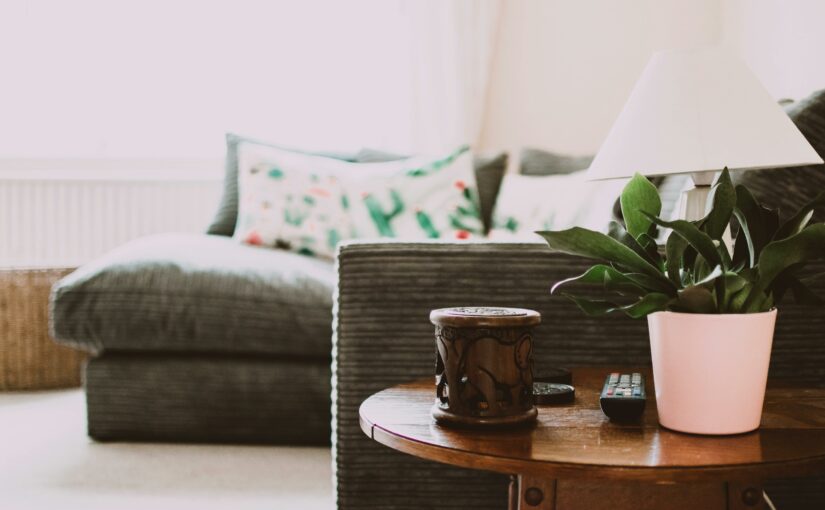
You’ve stretched every pound to furnish your rental, so you want those sofas to last. Forget expensive gadgets—simple habits like rotating cushions and blotting spills keep fabric fresh.
Vacuum seams weekly, not yearly, and test any cleaner on a hidden patch first. If spills turn stubborn, checking local guides on upholstery cleaning in Hampstead can show you affordable DIY fixes before you call in the pros for a fresher look.
Vacuum Regularly, Avoid Over-Wetting
Dust, grit, and pet dander grind into fabric every time someone sits down, so a quick vacuum session once a week protects fibers and keeps colors bright.
- Use the right attachment. The small upholstery nozzle reaches crevices without scratching wood trim or pulling decorative threads.
- Go slow and cross-hatch. Two passes—first length-wise, then width-wise—lift embedded soil that a hurried swipe misses.
- Mind moisture levels. Handheld “spot extractors” feel handy, yet flooding cushions breeds mildew, rusts springs, and voids most furniture warranties.
- Blot, don’t drench. For spills, press an absorbent towel firmly; over-wetting is the #1 error technicians see when repairing DIY cleanups.
- Schedule deep cleans wisely. Professional low-moisture methods such as those at Bock’s Steam Star leave fabrics touch-dry in hours, preventing musty odors before they start.
Weekly vacuuming, combined with moisture-smart blotting, dramatically extends the life of every sofa, sectional, or headboard without costing a dime in replacement fabric.
Spot-Test All Cleaning Products
Labels, codes, and little-known solvents make upholstery chemistry feel intimidating, yet twenty seconds of testing prevents permanent rings, fading, and stiff “clean” patches later.
Decode the cleaning tag
Most cushions carry W, S, WS, or X codes. Matching cleaner to code keeps warranties intact and eliminates guesswork when you tackle future stains.
Create a testing zone
Pick the skirt’s underside or the back corner, then spray, blot, and wait until completely dry; any change here saves heartbreak on the armrest.
Allow full drying time
Many disasters appear only after moisture evaporates, so give the test area at least two hours before deciding a solution is truly fabric-safe.
Immediate Stain Treatment Hacks
Coffee, ketchup, and crayon marks happen fast; treating them within five minutes stops pigment from setting and keeps Saturday mornings free of scrubbing marathons.
Blot, never rub
Firm, downward pressure transfers liquid into the cloth instead of shredding fibers or spreading the spill into a dinner-plate-sized smudge.
Raid the kitchen
Mix a teaspoon of clear dish soap with warm water for food stains, or dab rubbing alcohol on ink—both are safe for most synthetics.
Lean on cold club soda
The fizz lifts tannins from coffee and wine; pour sparingly, blot repeatedly, and finish with a dry towel to prevent watermark rings.
Try parent-approved tricks
Parents swear by baby wipes for fresh messes because the mild solution dissolves sugars yet leaves no foamy residue—perfect during movie-night mishaps.
Know when to call pros
If a stain darkens after drying, professional hot-water extraction can still rescue it; quick photos help technicians choose the right pretreatment.
Deodorize With Baking Soda
Pet naps, onion dip, and humid weather create odors that linger long after visible crumbs are gone; baking soda neutralizes them for pennies per couch.
- Vacuum first. Removing loose soil lets the powder contact actual odor molecules instead of forming grimy paste on surface dust.
- Sprinkle generously. A snow-like layer over seats, backs, and arms ensures full coverage; don’t forget beneath removable cushions.
- Work it in lightly. A soft brush pushes crystals between fibers where smells hide without matting delicate weaves.
- Wait sixty minutes. Extra time equals extra freshness, especially in humid climates or homes with multiple pets.
- Vacuum thoroughly. Slow overlapping strokes lift every grain, leaving fabric refreshed and ready for guests.
- Repeat monthly. Consistent deodorizing prevents mustiness from ever taking hold, saving money on scented sprays.
For a deeper dive into odor-busting science, Family Handyman recommends this exact method in their step-by-step couch guide.
Budget-Friendly Steam Cleaning
Nothing beats the sanitizing power of steam, and modern handheld units make DIY deep cleaning possible without shelling out big bucks for commercial rentals.
Choose a low-pressure model
Excessive PSI drives moisture into padding, so look for machines capped at under 60 PSI with adjustable flow and microfiber bonnet attachments.
Pre-vacuum and pre-treat
Steam melts oils; removing dry soil first prevents muddy sludge and allows heat to reach buried grime rather than surface dust.
Use distilled water
Mineral-free steam avoids chalky rings on dark fabrics and extends the life of your appliance by preventing internal scale buildup.
Work in small sections
Pass the wand slowly, overlapping each stroke; then towel-blot immediately to capture loosened soil and accelerate drying time.
Speed-dry with fans
Box fans or ceiling fans slash drying to under two hours, removing any chance of mildew while letting you reclaim the living room sooner.
Rotate And Fluff Cushions
Cushions compress unevenly in favorite seats, but strategic rotation and daily fluffing distribute wear, preserving loft and preventing that lopsided, saggy-sofa look.
Set a calendar reminder
Monthly rotation—left to right, front to back—evens pressure points so foam cores recover instead of packing down permanently in high-traffic corners.
Master the karate chop
Grasp each side, give a firm smack in the center, then shake; this redistributes feathers or fiberfill for that showroom “crowning” effect.
Air them out
Sunny, breezy afternoons are perfect for propping cushions outdoors, letting UV rays and ventilation banish odors while moisture evaporates naturally.
Check zipper seams
Loose stitching invites leaks of down or clusters; quick hand-sewing now prevents messy blowouts and costly insert replacements later.
Replace batting when needed
After five to seven years, even quality foam tires; inexpensive polyester wrap restores shape without buying an entirely new sofa.
Use Fabric Protector Spray
A clear, breathable barrier repels spills long enough for blotting, drastically reducing permanent stains and stretching professional cleanings further apart on tight budgets.
- Start with clean fabric. Spraying over dirt locks grime beneath a plastic-like shell that later cracks and attracts even more soil.
- Hold can twelve inches away. Fine mist coverage prevents blotchy buildup that can darken light colors or stiffen delicate linens.
- Apply two light coats. A second pass after thirty minutes ensures complete fiber encapsulation without drips or tacky residue.
- Ventilate well. Open windows or use fans; solvents dissipate quickly but need airflow to cure into an invisible shield.
- Reapply annually. High-use items like dining chairs might benefit from semi-annual treatments, especially in homes with children or pets.
Products such as Furniture Clinic’s Carpet & Upholstery Protector deliver Scotchgard-level defense at DIY prices and are widely available online.
DIY Microfiber Couch Care
Microfiber resists water yet attracts oily fingerprints; specialized cleaning keeps its suede-like nap silky while avoiding the dreaded blotchy watermark syndrome.
Identify the care code
“S” means solvent only, “W” accepts water-based cleaners, and “S-W” allows either. When tags are missing, always default to a conservative solvent test.
Vacuum and brush first
Removing surface debris protects the nap from matting, ensuring even cleaner penetration and restoring a uniform, velvety appearance after drying.
Clean in stripes
Work top to bottom in eight-inch bands, lightly misting and blotting each before moving on to avoid tide marks from overlapping wet and dry zones.
Revive the nap
Once dry, a soft-bristle brush or dry sponge combs fibers upright, eliminating stiffness and restoring that fresh-from-the-showroom hand feel.
Finish with protector
A solvent-safe fabric guard keeps future spills beading on the surface, making next month’s cleanup even easier and protecting resale value.
Lasting Savings
You now have pragmatic tools to keep upholstered pieces presentable without draining reserves. Apply them consistently, rely on observation, and adjust tactics when fabric or budget demands. Small, regular efforts prevent costly replacements, stretch rental income, and spare landfill space. Your furniture, tenants, and wallet all quietly benefit in return.