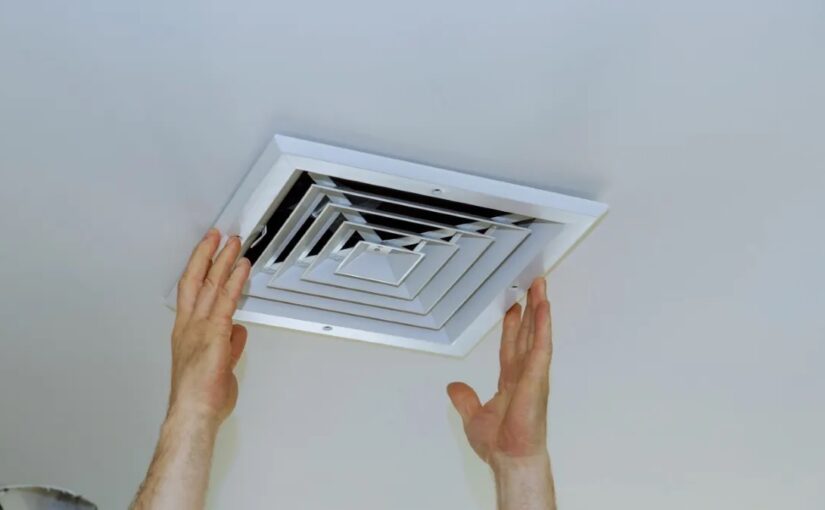
Indoor air quality is a growing concern for homeowners, renters, and property investors. With people spending nearly 90% of their time indoors, according to the U.S. Environmental Protection Agency (EPA), proper ventilation has become a cornerstone of healthy living environments. Poorly ventilated homes can trap pollutants, moisture, and allergens, which may lead to respiratory problems, mold growth, and general discomfort. On the other hand, well-ventilated properties can improve occupant health, preserve the building’s structure, and even enhance property value.
For anyone looking to buy, sell, or manage property, understanding how to maximize ventilation in homes is essential. This guide explains the importance of ventilation, explores different strategies, and provides practical steps to improve airflow in both new and older properties.
Why Ventilation Matters in Homes
Ventilation serves multiple purposes beyond simply allowing fresh air indoors. Key benefits include:
- Improved indoor air quality: Ventilation reduces indoor pollutants such as volatile organic compounds (VOCs), carbon dioxide, and particulate matter.
- Moisture control: Proper air circulation helps prevent condensation and mold, which are major concerns for property longevity.
- Thermal comfort: Fresh air balances indoor temperatures, particularly in well-insulated homes that can otherwise feel stuffy.
- Property value and appeal: Homes with good air quality are more attractive to buyers and renters, as health and sustainability are increasingly important factors.
According to the World Health Organization, inadequate ventilation is one of the main contributors to indoor air pollution, which can significantly affect long-term health.
Natural Ventilation Strategies
Many older homes rely primarily on natural ventilation, which uses openings such as windows, doors, and vents to circulate air. While simple and cost-effective, it requires careful planning to be truly effective.
Cross Ventilation
Placing windows on opposite sides of a room encourages airflow across the space. This is particularly useful in warm climates, where natural breezes can provide cooling without mechanical systems.
Stack Effect
Warm air naturally rises. By opening upper-level windows or roof vents, warm air can escape while drawing in cooler air from lower levels.
Ventilation through Landscaping
Trees, hedges, and other greenery can influence wind flow around a building. Properly placed landscaping can direct breezes into living spaces and provide shade to reduce indoor heat.
Mechanical Ventilation Systems
While natural airflow is valuable, it is often inconsistent. Modern properties increasingly rely on mechanical solutions that provide controlled and continuous ventilation.
Exhaust Fans
Exhaust fans in kitchens, bathrooms, and utility rooms remove moisture and odors at the source. This is an essential feature for preventing dampness and mold.
Heat Recovery Ventilators (HRVs) and Energy Recovery Ventilators (ERVs)
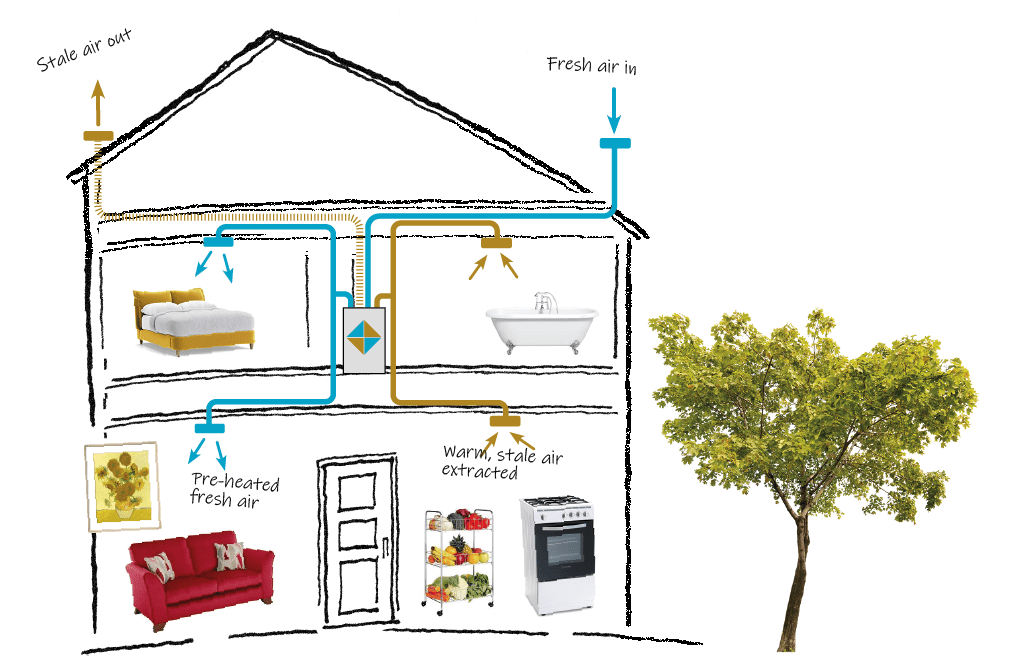
These systems provide a balance between ventilation and energy efficiency. They exchange stale indoor air with fresh outdoor air while recovering heat (and in the case of ERVs, moisture) from the outgoing air. This minimizes energy loss while ensuring proper ventilation.
Whole-House Ventilation
Centralized systems distribute fresh air evenly throughout the home, ensuring consistent indoor air quality. For homeowners and property developers aiming for high-performance housing, integrating such systems can be a major selling point.
For further details on mechanical options, resources such as the UK’s National House Building Council (NHBC) provide useful technical guidelines.
Practical Steps for Homeowners and Property Managers
Improving ventilation does not always require large investments. Below are some practical steps that can be applied across different types of properties.
- Regularly open windows: Even short periods of window ventilation can significantly reduce indoor pollutants.
- Maintain air vents and ducts: Blocked vents or dirty filters reduce efficiency. Regular cleaning is essential.
- Use trickle vents: Many modern windows include trickle vents that allow small amounts of air to flow continuously.
- Check for mold-prone areas: Basements, bathrooms, and kitchens should be closely monitored for signs of dampness.
- Invest in dehumidifiers where needed: These devices reduce moisture levels, particularly in properties prone to condensation.
- Consider long-term upgrades: For property investors, upgrading to mechanical ventilation systems can increase both comfort and marketability.
Ventilation in Different Property Types
Apartments and Flats
Ventilation can be challenging in multi-unit buildings where windows may not provide sufficient airflow. In these cases, mechanical ventilation or central systems are often necessary.
Older Homes
Historic properties often lack modern ventilation solutions and may suffer from drafts or dampness. Care must be taken to balance energy efficiency upgrades (like insulation) with maintaining adequate airflow.
New Builds
Newly constructed homes are typically airtight to maximize energy efficiency. While beneficial for heating and cooling costs, this makes mechanical ventilation critical to prevent stale air buildup.
Expert Insights and Statistics
- A study by the UK’s Building Research Establishment (BRE) found that inadequate ventilation contributes to thousands of excess deaths annually due to poor air quality.
- Properties with controlled ventilation systems can reduce indoor pollutants by up to 50%, according to the European Environment Agency (EEA).
- The UK Health Security Agency highlights that ventilation is not only essential for general health but also reduces the spread of airborne infections, a concern brought into focus during the COVID-19 pandemic.
These insights underline that ventilation is not just a comfort feature but a serious health and safety measure.
Conclusion
Maximizing ventilation in homes is a critical step toward ensuring healthier living environments, protecting property value, and meeting modern sustainability standards. From simple natural solutions like cross ventilation to advanced mechanical systems that balance energy use, property owners and managers have a wide range of options to improve air quality indoors.
For those involved in property buying and selling, recognizing the importance of ventilation can be a strong differentiator. Homes with well-planned ventilation are not only healthier but also more appealing to environmentally conscious buyers and tenants. By prioritizing good airflow, homeowners and investors alike can create spaces that are safe, comfortable, and resilient for the future.